Why Do Crickets Chirp More at Night and Become a Nuisance Indoors
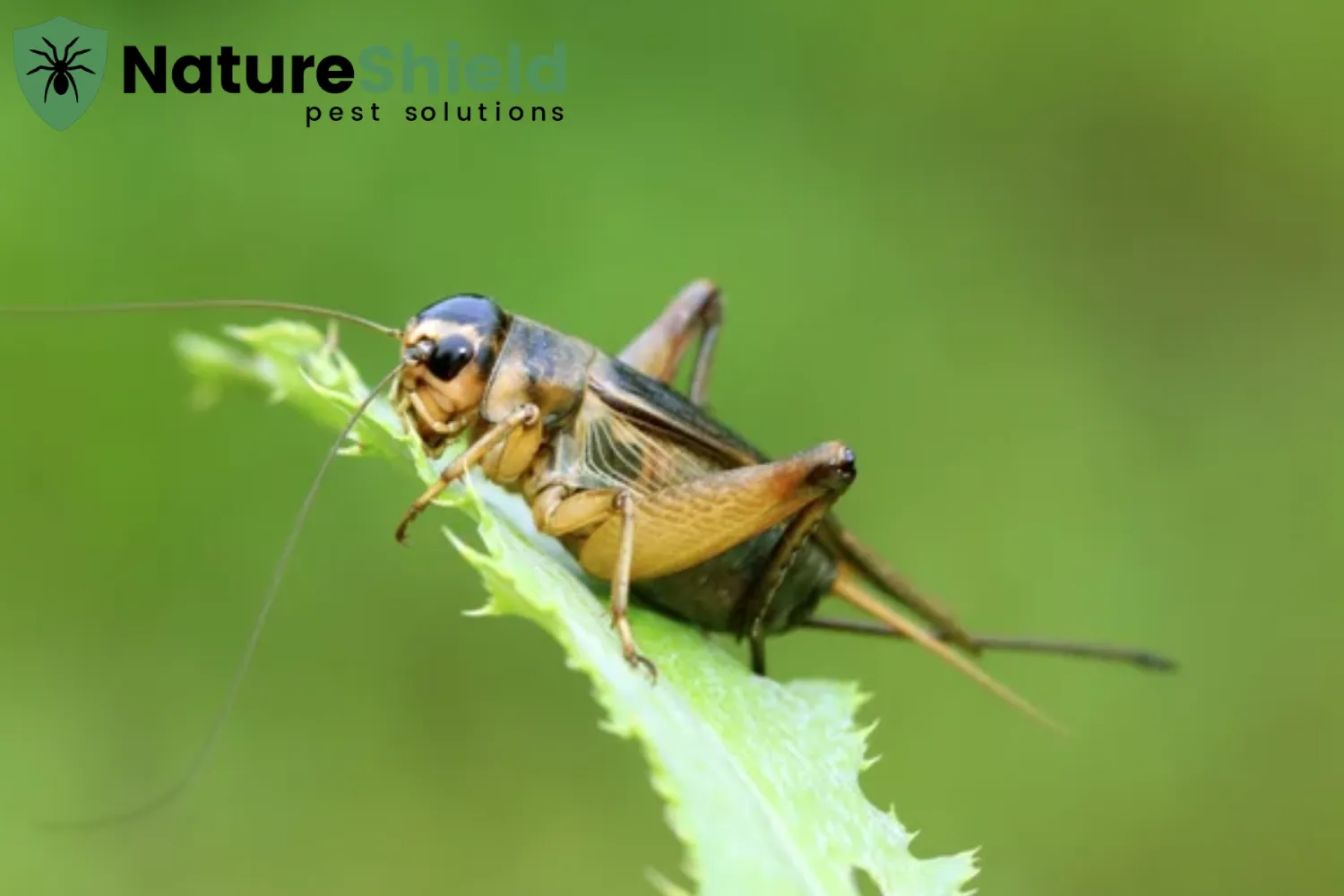
Crickets chirp more at night because they are nocturnal insects that utilize the cover of darkness and calmer nighttime air to safely broadcast mating calls without alerting predators. When they accidentally wander indoors, their continuous scraping against the floor becomes a major structural nuisance, echoing off hard walls and keeping residents awake.
The Biological Acoustic Engine: Nocturnal Stridulation Drivers
Understanding why these jumping insects increase their sound output after sunset requires looking into their reproductive biology and survival instincts. Property owners often treat noise as a simple seasonal background track, overlooking how their home’s structure amplifies sound waves.
Key Factors Fueling Nighttime Chirping
- Predator Avoidance Tactics: Crickets are an essential food source for birds, rodents, and reptiles. Remaining silent during the day keeps them hidden, while chirping at night minimizes visual detection by daylight hunters.
- Optimal Sound Acoustics: Nighttime air is typically cooler, more humid, and less disrupted by wind currents or human machinery. These stable atmospheric conditions allow the sound waves to travel much farther across open terrain.
- The Mechanical Act of Stridulation: Male crickets do not use vocal cords to create sound. Instead, they use a process called stridulation, rubbing a specialized scraper on one wing against a file-like row of teeth on the underside of the other wing.
- Mating Communication Needs: The primary purpose of the nighttime chirp is reproductive. Males broadcast specific harmonic frequencies to guide silent female crickets directly to their hidden shelters.
When these jumping insects nest near your building’s foundation, they quickly find tiny structural openings to slip through. Shifting from temporary home remedies to a proactive barrier program with professional pest control in Willard helps prevent these vocal intruders from disrupting your sleep.
Behavioral Matrix: True House Crickets vs. Field Crickets Indoors
Not all behave the same way inside a home. This matrix identifies the two primary species that cause indoor issues, helping you judge the threat level to your carpets and fabrics.
| Structural Impact Metric | True House Cricket (Acheta domesticus) | Field Cricket (Gryllus genus) |
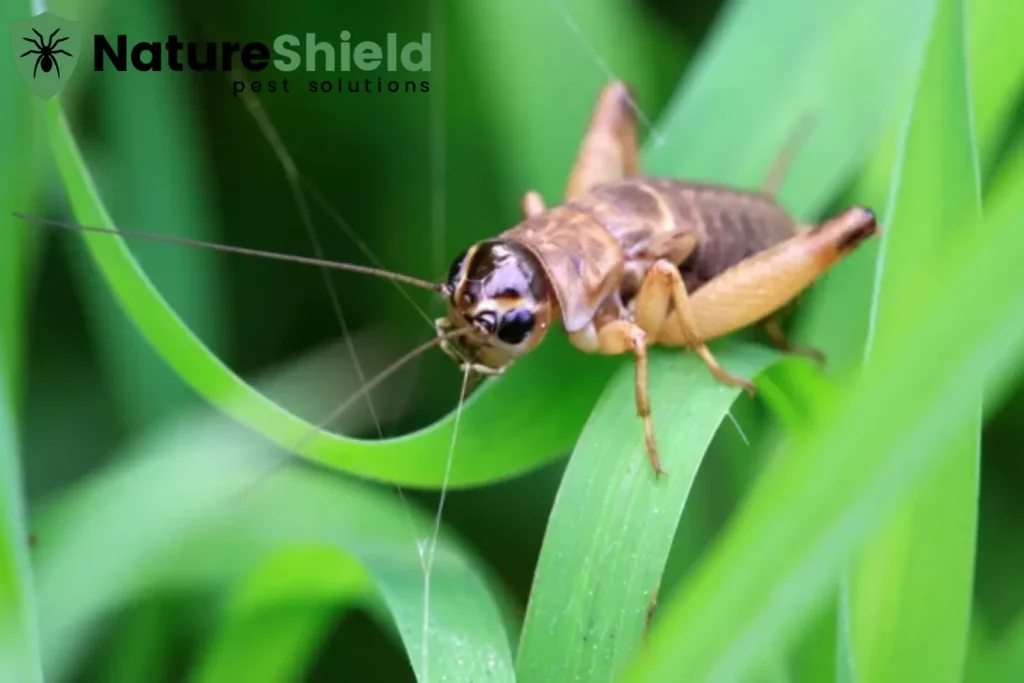
| Primary Coloration Profile | Light yellowish-brown with distinct dark bands on the head. | Solid shiny black to deep dark brown. |
| Indoor Breeding Capacity | High; can live and complete their full lifecycle entirely indoors. | Low; typically dies out inside unless extreme moisture is present. |
| Material Damage Risk | High; routinely chews on fabrics like cotton, wool, and silk finishes. | Minimal; primarily targets decaying organic matter in the garden. |
| Acoustic Noise Nuisance Level | Extremely persistent; chirps continuously from hidden wall voids. | Loud but short-lived; usually limited to ground-level entry doorways. |
Recognizing which species has breached your foundation walls changes how a technician manages the problem. While a field cricket is often a simple accidental traveler, an influx of house crickets requires a highly targeted approach to wipe out hidden nesting sites before they damage your personal property.
Debunking the Myth: “You Can Easily Calculate the Exact Temperature by Counting Indoor Cricket Chirps”
The Misconception: “By counting the exact number of chirps inside your home for 15 seconds and adding 40, you can always calculate the precise outdoor temperature in Fahrenheit due to Dolbear’s Law.”
While Dolbear’s Law is a real scientific observation regarding wild snowy tree crickets in open fields, applying this formula to an insect trapped inside your home is a major industry misconception. Homeowners looking for a dependable exterminator in Willard, MO often find out that trapped house or field ones are completely insulated from true outdoor weather patterns.
Once an insect moves inside your walls, its metabolic rate is warped by your home’s air conditioning, heat pumps, subfloor humidity, and localized structural insulation. A cricket hiding behind a warm refrigerator compressor will chirp at a much higher rate than at the actual outside temperature. Relying on indoor chirping to judge weather conditions will only give you inaccurate data and mask a growing structural pest problem.
Applying Our Acoustic Frequency Disruption Protocol to Solve This
At Nature Shield Pest Solutions, we bring professional, reliable, and customer-focused care directly to your property. We do not believe in broad, careless chemical applications that only treat the surface. Instead, we use our specialized mechanical adjustments and structural blockades to flush out hidden colonies and build a lasting outer boundary. During a recent comprehensive structural inspection for a property owner in Willard, our field experts located an established nesting ground in a damp crawlspace chasm, silencing the echoing calls before the insects could chew through the main-floor carpets.
Precision Audio Diagnostics
We locate hidden insect populations by sending our licensed and trained experts to run an in-depth visual and structural evaluation. Our team provides an expert service grounded in the biology of nocturnal pests.
We take the time to map out landscaping contact zones, utility line penetrations, and basement window wells. We prioritize honesty and clarity above all else, which is why we offer affordable pricing and free inspections so you always know exactly what your property needs without any high-pressure sales tactics.
Safe Structural Exclusion
To keep your home safe, comfortable, and completely quiet without over-treating your living spaces, we deploy premium 100% safe and effective solutions along your home’s foundation plates. Our methods are designed to withstand severe weather while remaining family- and pet-safe.
We believe that high-quality care should be easily accessible to every family, which is why we keep our seasonal protection plans highly affordable. This responsive, community-focused approach is why we are widely recognized for delivering an elite 5 Star Service experience for residential and commercial pest control in Willard, MO.
Specifications of Advanced Insect Management Systems
- Micro-Encapsulated Contact Powders: Fine synthetic dust materials configured to stick to the outer shell of jumping insects, providing targeted control as they groom.
- Moisture-Resistant Granular Baits: High-performance nutritional pellets designed to remain fully effective in damp crawlspaces and moist perimeter soil zones.
- Elastomeric Architectural Sealants: Flexible, weatherproof sealing compounds mixed with physical deterrents to close off utility line gaps permanently.
- Acoustic Tracking Sensors: High-sensitivity directional audio tools used during inspection sweeps to pinpoint the exact wall voids where pests are hidden.
People Also Ask (FAQ)
Can indoor crickets cause real physical damage to my personal property?
Yes. If true house crickets remain inside your home for an extended period, they can chew holes through clothes, upholstered furniture, and curtains. They are highly attracted to fabrics stained with sweat, food residue, or organic oils.
Why do crickets gather around concrete steps and basement doorways?
They seek out cool, dark spaces with high moisture to avoid drying out during the day. Concrete steps, window wells, and basement entries trap morning condensation, making them perfect resting areas for nocturnal pests.
Do electronic plug-in pest repellers stop crickets from chirping?
No. Independent scientific testing has shown that standard retail electronic or ultrasonic plug-in repellers do not have a lasting effect on their behavior or reproductive chirping habits. True prevention requires physical exclusion and targeted professional barriers.
What is the best way to get rid of a cricket chirping inside a wall?
The most reliable method is to have a professional apply a specialized, fine dust treatment into the wall void through electrical outlets or baseboard gaps. This directly reaches their hidden harborages and reaches the insects where they hide.
Restore Complete Peace and Quiet to Your Living Space
Allowing noisy pests to breed inside your wall voids ruins your home’s comfort and puts your carpets and clothing at risk of fiber damage. You deserve to feel completely secure, confident, and relieved in the quiet and safety of your own property. At Nature Shield Pest Solutions, we combine advanced, science-backed techniques with a friendly, approachable attitude, ensuring your pest concerns are handled properly.
Unlike major national corporations, we prioritize personalized attention and clear communication. We back our results with an absolute service guarantee: if pests persist between your scheduled treatments, our team returns at no extra charge to take care of the issue. We are proud to safeguard properties across our key areas, using family-safe methods that protect your home, your business, and the local ecosystem.
Don’t let endless nighttime chirping or fabric-chewing pests compromise your home’s peace of mind. Take a proactive step toward permanent structural safety today. Contact us today to book your free inspection, secure our competitive rates, and experience the reliable protection you can count on. Let our family look out for yours with professional care.