How Can Homeowners Identify Earwigs by Their Pincers, Dark Color, Body Length, and Wing Size
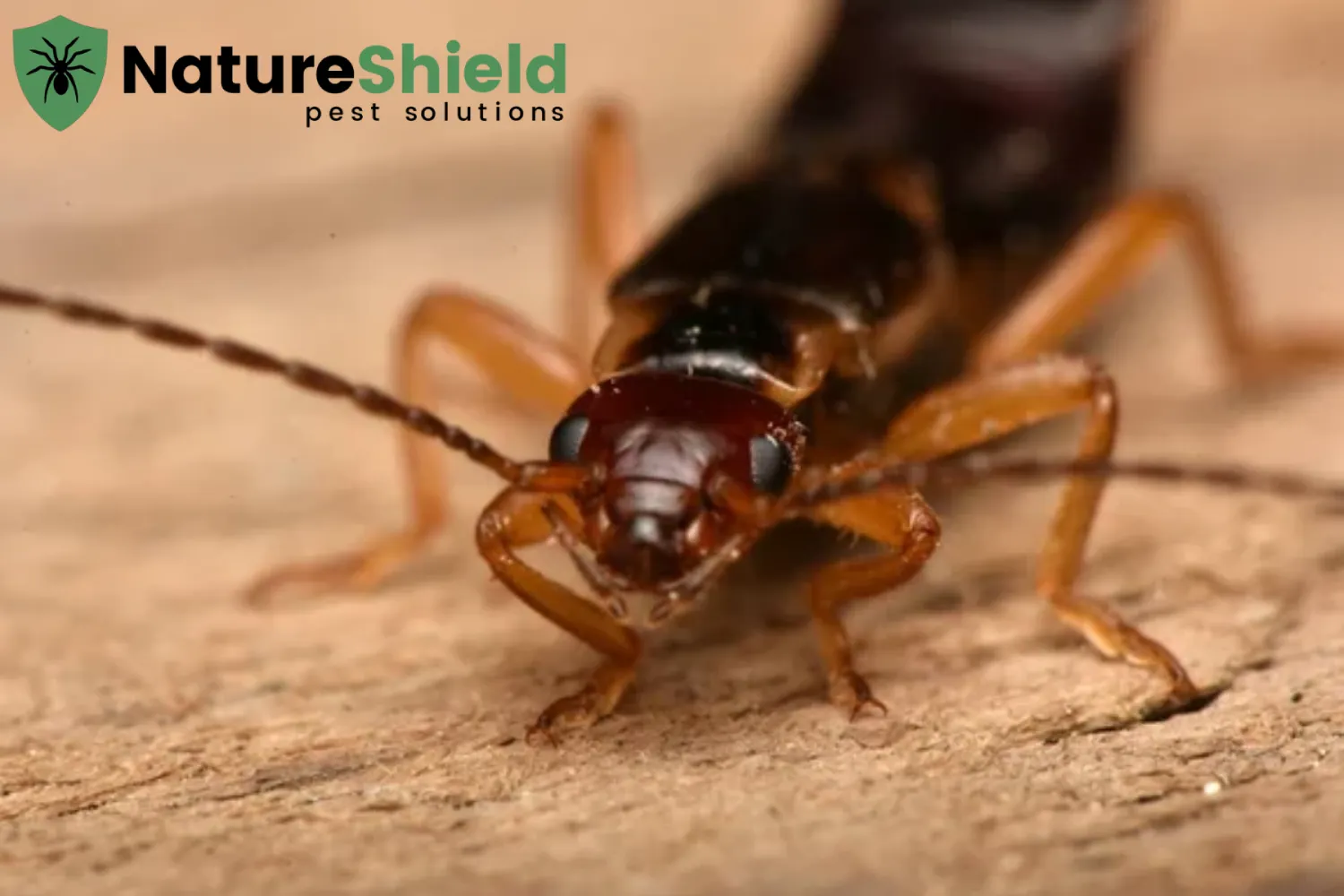
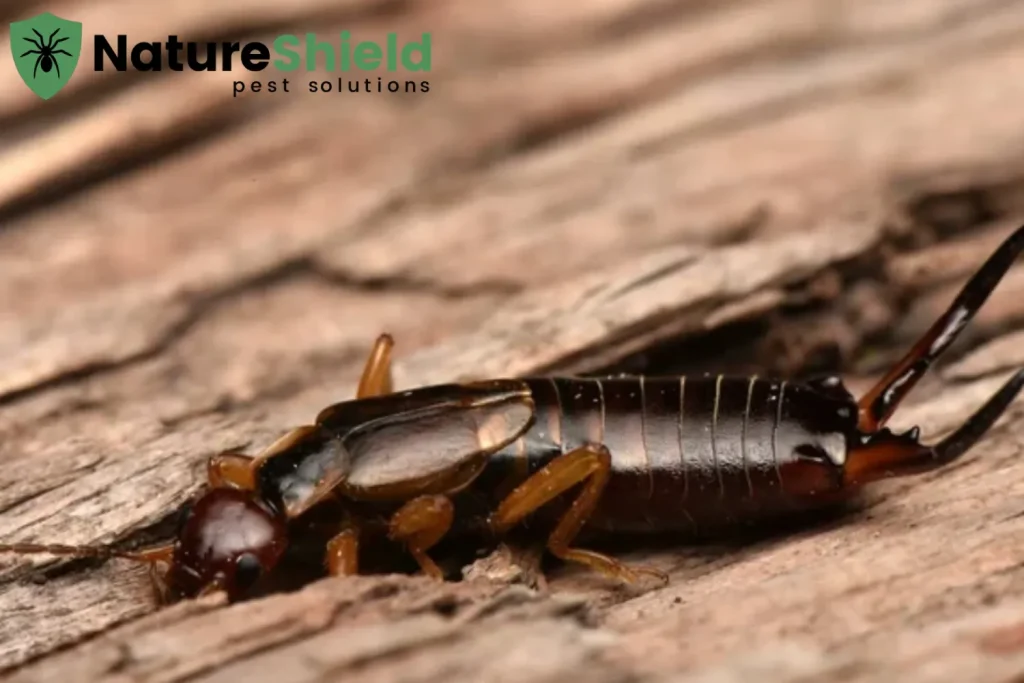
Homeowners can identify earwigs by their prominent, tail-like rear pincers (cerci), dark reddish-brown color, elongated body length of 1/4 to 1 inch, and uniquely short, leathery wing covers. These distinct physical traits distinguish them from look-alike nocturnal pests. Recognizing this specific anatomical footprint ensures accurate diagnostic identification before choosing targeted elimination methods.
The Earwig Anatomy Checklist: Four Primary Identification Pillars
Accurately classifying a nocturnal intruder requires checking specific anatomical markers that define their family (Dermaptera). When an unknown insect darts across your bathroom floor or slips beneath a doorway, guessing its identity can lead to the use of incorrect treatments. By focusing on four distinct physical pillars, you can confidently verify if you are dealing with true earwigs.
The Four Key Physical Traits
- The Abdominal Pincers (Cerci): Forcep-like appendages located at the absolute rear of the abdomen used for defense and mating. Males have curved, semicircular pincers, while females possess straight, parallel pincers.
- Dark Coloration: A rich, shiny dark reddish-brown to dark brown hue, often featuring lighter tan or yellowish accents along the legs and lateral body plates.
- Body Length: An elongated, flattened trunk measuring between 5 mm and 25 mm (1/4 to 1 inch), which allows them to slip into narrow structural masonry cracks easily.
- Wing Size and Structure: Short, leathery forewings called tegmina that fold tightly over the thorax, leaving the rear abdomen exposed. A pair of delicate, fan-like hind wings remains tucked underneath, rarely used for flight.
When these four traits are observed together, you can rule out common beetles or roaches. Identifying these markers early prevents minor moisture-seeking groups from turning into an established indoor nuisance. For homeowners experiencing these creepy invaders, securing your perimeter with reliable Marshfield pest control is an important step in seasonal home maintenance.
Morphological Comparison: Earwigs vs. Common Household Look-Alikes
Mistaking earwigs for other dark, crawling insects often leads to using ineffective treatments. This matrix isolates key differences to ensure your identification is accurate.
| Physical Attribute | True European Earwig | German Cockroach | Common Ground Beetle |
| Rear Appendages | Heavy, hardened pincers used for pinching. | Soft, multi-segmented sensory cerci. | No rear appendages present. |
| Wing Configuration | Extremely short, leathery, exposing the abdomen. | Full-length wings covering the entire back. | Hard, rigid shells (elytra) covering the back. |
| Body Shape Profile | Elongated, narrow, and vertically flattened. | Oval, broad, and low-profile flat. | Oval, robust, and distinctly segmented. |
| Primary Movement | Rapid crawling; rarely takes flight. | Fast running; occasionally flies if warm. | Ground running; cannot fly. |
When you treat a property based on a superficial glance, you often leave the real nesting site completely untouched. Shifting to an analytical physical comparison ensures that hidden crawling habits are correctly diagnosed before any protective barriers are placed.
Debunking the Myth: “Earwigs Crawl Into Human Ears to Lay Eggs in the Brain”
The Misconception: “Earwigs got their name because they actively seek out sleeping humans, crawl directly into their ear canals, tunnel through the eardrum, and lay hundreds of eggs inside the human brain.”
This frightening backyard story is a completely false historical myth with no basis in real insect biology. Homeowners seeking honest facts from certified exterminators in Marshfield, MO, are often incredibly relieved to learn that these insects are entirely outdoor, soil-dwelling scavengers. They feed on damp organic material, decaying leaves, and smaller soft-bodied insects. They have no biological interest in humans or mammals, and they cannot tunnel through human tissue or bone.
The myth stems entirely from old folklore and their common English name, which likely comes from the Old English word eard-wicga, meaning “earth-crawler,” or the fan-shaped appearance of their hind wings, which resemble a human ear when unfolded. While an earwig might accidentally crawl into a dark, tight space like a sleeping bag or an open tent on a lawn, they do not lay eggs inside humans and pose no medical threat to your family. Recognizing them simply as moisture-loving landscape pests helps you focus on real environmental solutions instead of unnecessary worry.
Applying Our Anatomical Diagnostic Elimination to Solve This
At Nature Shield Pest Solutions, we bring professional, reliable, and customer-focused expertise directly to your doorstep. We reject blind guesswork and high-volume chemical spraying, choosing instead to focus on accurate species identification. During a recent structural turf analysis for a residential home in Marshfield, our field specialists used a careful visual grid search to identify an earwig breeding hotspot inside a damp mulch bed, resolving the issue before the insects could migrate into the home’s crawlspace.
Precision Biological Tracking
We eliminate persistent pest issues by putting our experienced technicians on the job. Our team uses our unique [Anatomical Diagnostic Elimination] process to verify the exact species, sex, and life cycle stage of the invading colony.
By understanding the precise physical traits and narrow body limits of the target pest, we can identify exactly which foundation gaps or weep holes they are using to enter your living spaces. We prioritize honesty and transparency, providing completely free professional inspections so you always have the clear details you need, with no hidden fees.
Safe Perimeter Exclusion
To keep your home secure without flooding your daily environment with harsh materials, we deploy 100% safe and effective solutions directly along damp foundation thresholds. Our top-notch technicians use science-backed methods to ensure that premium, non-repellent treatments are placed precisely where moisture-loving pests congregate.
We believe that high-quality property protection should be accessible to everyone, which is why we offer all of our personalized treatment plans at highly affordable prices. Our careful, calculated adjustments keep your family and domestic pets perfectly safe while providing the elite care you deserve for dependable pest control in Marshfield, MO.
Technical Specifications of Professional Identification Systems
- Digital Entomological Calipers: High-precision physical measurement tools utilized to record exact insect body length and thoracic width down to fractions of a millimeter.
- Short-Wave Tegmina Scanners: Handheld optical magnification devices configured to verify the texturing and scale size of short forewings on structural invaders.
- Pincer Tensile Gauges: Specialized field tools used to measure the rigidity and curvature profiles of abdominal cerci for precise species classification.
- High-Contrast Chromatic Swabs: Chemical color-matching tests used to analyze insect shed patterns and target-surface markings against historical brown-pigment databases.
People Also Ask (FAQ)
Can an earwig hurt you with its rear pincers?
While their rear pincers look intimidating, they do not have sufficient mechanical pressure to break human skin or cause serious injuries. If picked up or squeezed, they may apply a brief pinch that causes minor, temporary discomfort.
Why do earwigs gather inside damp window frames and sills?
They require high-moisture zones to avoid drying out. Window tracks often collect outdoor condensation, morning dew, and organic dust, creating a perfect humid environment for hiding during the day.
Do earwigs fly into homes through open upper windows?
No. Even though they have delicate hind wings folded beneath their wing covers, they are incredibly poor flyers and rarely take flight. They enter homes almost exclusively by crawling through low-level foundation cracks, utility lines, and doorways.
What is the most effective way to keep earwigs away from my home’s foundation?
The most effective long-term method is to reduce excess moisture near your foundation. Keep garden mulch thin, clear away rotting leaves, ensure your gutters drain away from the walls, and have a professional apply a weather-resistant perimeter barrier.
Secure Your Property Baseline Against Invading Pests
Allowing multi-legged nuisances to slip through cracks in unsealed masonry turns your clean home entryways into high-traffic insect trails. You deserve to feel completely secure, confident, and relieved in the safe, hygienic environment of your living space. At Nature Shield Pest Solutions, we combine technical field expertise with a friendly, approachable demeanor to ensure your concerns are effectively addressed.
Unlike major corporate chains, we prioritize responsiveness, regional focus, and personalized attention. We build lasting relationships across our full range of areas, offering free professional evaluations and guaranteed services so you never have to worry about recurring issues. If pests break through your defensive shield between scheduled visits, our dedicated team of top-notch technicians and science-backed methods will return at absolutely no extra charge, delivering a true 5 Star Service experience.
Don’t let unsealed entry points or annoying nocturnal pests disrupt your daily comfort or compromise your home’s peace of mind. Take a proactive step toward permanent structural safety today. Contact our team today to schedule your free inspection, receive an honest evaluation, and experience the reliable protection you deserve. Let our family protect your home with the trusted care you can count on.