Are Flea Sprays Safe? What You Need to Know Before Spraying Indoors
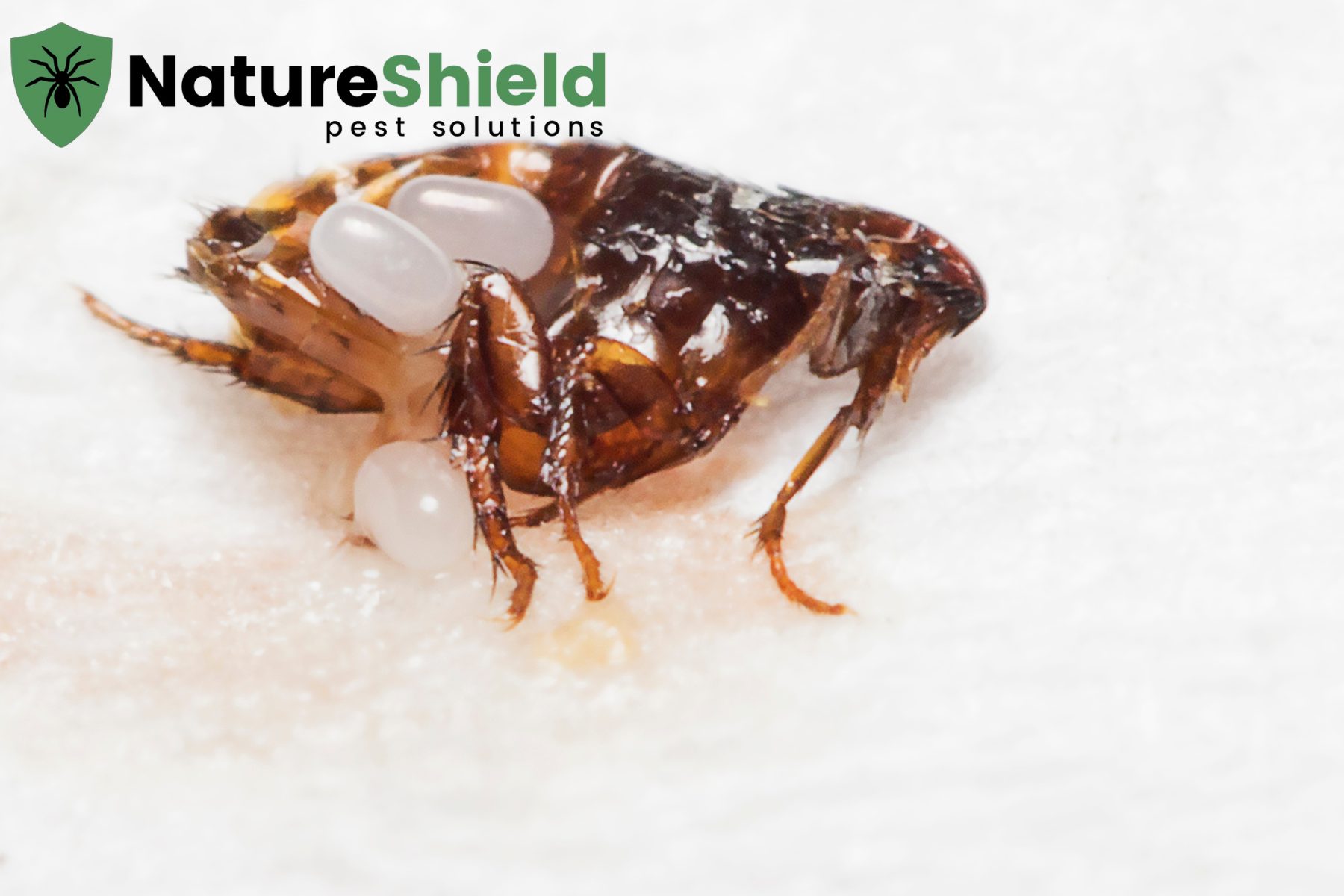
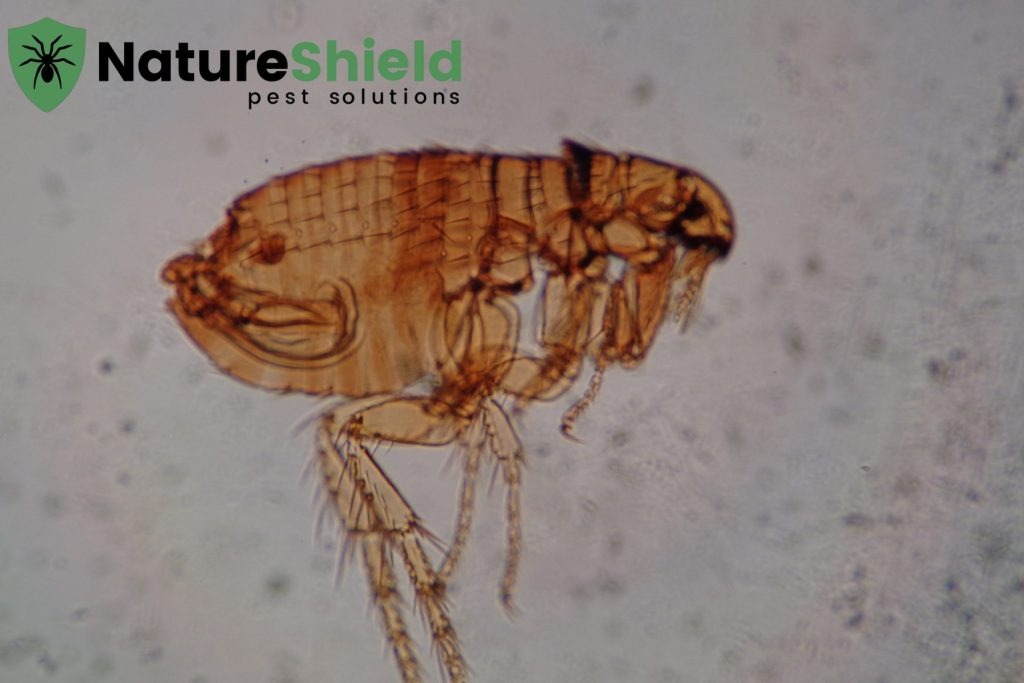
Fleas can be a persistent and frustrating problem for many homeowners. These tiny pests not only cause itchy bites but can also pose health risks to both humans and pets. When faced with a flea infestation, many consider flea sprays as a quick solution. But how safe are flea sprays, especially when used indoors? This article dives into the facts you need to know before reaching for that can of spray and offers guidance on safer options.
Understanding Flea Sprays: What Are They?
Flea sprays are chemical treatments designed to kill fleas at various life stages: adults, larvae, and eggs. These sprays often contain insecticides such as pyrethroids, permethrin, or insect growth regulators (IGRs). While effective at eliminating fleas, these substances can vary in toxicity, especially indoors, where pets and people share close quarters. The safety of flea sprays depends largely on the formulation, application method, and the precautions taken during use. Not all flea sprays are created equal, and some are specifically designed for indoor use with safer ingredients, while others are meant for outdoor or veterinary use only
Is Flea Spray Safe for Humans?
One of the most common questions people have when considering flea sprays is, “Is flea spray safe for humans?” Generally, flea sprays made for indoor use are formulated to be safe for humans when used correctly and according to the instructions. However, flea spray for house safe for humans depends on the type of chemical in the product. Certain insecticides in flea sprays can irritate the skin, eyes, or respiratory system if inhaled. To ensure safety, always follow the manufacturer’s guidelines. If you’re unsure or have specific concerns, it may be wise to consult a pest control expert in St. Joseph for safer alternatives or guidance.
Is Flea Spray Toxic to Humans?
While flea sprays are generally safe when used as directed, it’s important to understand that flea spray can sometimes be toxic to humans if not applied properly. Exposure to high levels of insecticides, especially when overused or applied improperly, can lead to symptoms such as dizziness, headaches, nausea, or skin irritation. For individuals who are pregnant, elderly, or have respiratory issues, it’s even more important to take precautions. For complete peace of mind, contacting an exterminator in St. Joseph, MO, for professional advice or a thorough flea control treatment may be the safest route.
When Are You Safe from Flea Spray?
When are you safe from flea spray? After applying flea spray, it’s essential to wait for the product to dry and for the area to be properly ventilated before re-entering the treated space. Flea spray safe for humans is typically safe once it has dried and the space has been aired out for several hours. It’s important to keep pets and children away from the area until it is completely dry and the air quality has improved. If in doubt, wait longer before entering the treated area or consult a pest control provider to be sure it’s safe.
Are Flea Sprays Safe for Indoor Use?
When used according to the manufacturer’s instructions, many indoor-use flea sprays can be safe. However, improper use or overuse can pose health risks to pets and household members. Here are important facts to consider:
Potential Health Risks
- Toxicity to Pets: Cats and dogs can be sensitive to certain insecticides in flea sprays. Cats, in particular, are vulnerable to pyrethroids, a common ingredient in many flea control products. Exposure can cause symptoms such as drooling, tremors, or lethargy.
- Human Exposure: While most indoor flea sprays are formulated to be safe for humans when used properly, children, elderly individuals, or people with respiratory issues may experience irritation or allergic reactions.
- Indoor Air Quality: Spraying chemicals indoors can temporarily affect air quality. Proper ventilation after application is crucial to minimize inhalation risks.
Environmental Impact
- Surface Residue: Flea sprays may leave chemical residues on carpets, floors, and furniture. These residues can persist and come into contact with children or pets.
- Chemical Sensitivity: Some people have chemical sensitivities or allergies that can be aggravated by indoor spraying.
Precautions to Take
- Follow Instructions: Always read and adhere strictly to label directions, including recommended dosage, application areas, and safety warnings.
- Remove Pets and People: Keep pets and family members out of treated areas until the spray has dried and the space has been ventilated.
- Use Targeted Products: Choose flea sprays specifically labeled for indoor use and safe for your pet’s species.
- Consider Alternative Methods: Combining flea sprays with other methods, such as vacuuming, washing pet bedding, and yard treatment, enhances effectiveness and reduces reliance on chemicals.
Alternatives and Complementary Treatments
Indoor flea control is most effective when integrated with other preventive measures. Relying solely on flea spray indoors may not fully eliminate the problem. Consider these complementary strategies:
- Regular Cleaning and Vacuuming: Vacuuming carpets, rugs, and furniture removes flea eggs and larvae, interrupting their life cycle. Empty vacuum bags immediately to prevent reinfestation.
- Pet Flea Control: Use veterinarian-recommended flea prevention treatments on pets, such as oral medications, topical treatments, or flea collars. This reduces the likelihood that pets will bring fleas indoors.
- Yard Flea Treatment: Since fleas often originate outdoors, treating the yard is essential. Yard flea treatment reduces flea populations in outdoor spaces frequented by pets, limiting indoor infestations.
When to Call Professionals for Flea Control
If a flea infestation is severe or persists despite your efforts, it’s wise to seek professional assistance. Professional pest control companies use specialized flea control techniques and products that are often more effective and safer for your home environment. Searching for flea control can connect you to experts who can assess your situation and provide targeted treatment plans. Professionals also advise on the best integrated pest management practices to keep fleas under control long-term.
Final Thoughts: Are Flea Sprays Worth Using Indoors?
Flea sprays can be a useful tool for indoor flea control when used properly and in conjunction with other preventive measures. However, it is critical to prioritize safety by:
- Selecting flea sprays specifically designed for indoor use.
- Carefully follow all instructions on the product label.
- Ensuring proper ventilation and limiting exposure for pets and people.
- Incorporating non-chemical flea control strategies.
Always consider professional pest control services in St. Joseph, MO, for severe or persistent flea infestations to ensure a thorough and safe resolution.
About Nature Shield Pest Solutions
Nature Shield Pest Solutions is a trusted provider of comprehensive pest control services in St. Joseph, Missouri. We specialize in safe and effective pest management strategies tailored to your home or business. Our services include flea control, general pest control, and outdoor treatments such as yard flea treatment to keep your environment flea-free.
Committed to environmentally responsible solutions, we use the latest safe products and techniques to protect your family, pets, and property. Whether you’re seeking pest control or targeted flea treatments, we provide expert care tailored to your needs. Contact us today for a free quote.
Frequently Asked Questions (FAQ)
- Is flea spray safe for humans?
Flea sprays are generally safe for humans when used as directed, but it’s important to ensure proper ventilation and follow the product’s safety guidelines. - Can flea spray harm my pets?
Certain flea sprays can be toxic to pets, especially cats. Always choose products labeled safe for pets and follow instructions carefully. - How long do I need to stay out of the room after using flea spray?
You should wait until the flea spray has dried and the area has been properly ventilated, which may take a few hours, to ensure it’s safe for pets and humans. - Are there any non-chemical ways to get rid of fleas?
Yes, alternatives such as regular vacuuming, washing pet bedding, and using natural flea repellents can help reduce flea infestations without chemicals. - When should I call a pest control professional for flea treatment?
If your flea infestation is severe or persistent despite DIY methods, it’s best to consult a professional pest control expert to ensure thorough and safe eradication.
Other related blog:
Silent Destroyers: Can Fleas Fly? Here’s What You Need to Know