Finding a bug that resembles a cockroach can be unsettling, especially when you are unsure what you are looking at. Several insects share similar brown coloring or oval-shaped bodies, but their size, physical features, behavior, and preferred hiding places can help distinguish them.
Bed bugs are one possible look-alike, particularly when you find a small, reddish-brown insect near a mattress or bed frame. However, beetles, crickets, and other insects can also confuse. Knowing what to look for can help you identify the pest more accurately and determine the appropriate next step.
What Bugs Look Like Cockroaches but Aren’t?
Cockroaches have recognizable features, including long antennae, flattened bodies, and six legs. However, other insects may look similar at first glance, particularly when they are small or seen briefly.
Here are some insects that people may mistake for cockroaches.
1. Bed Bugs
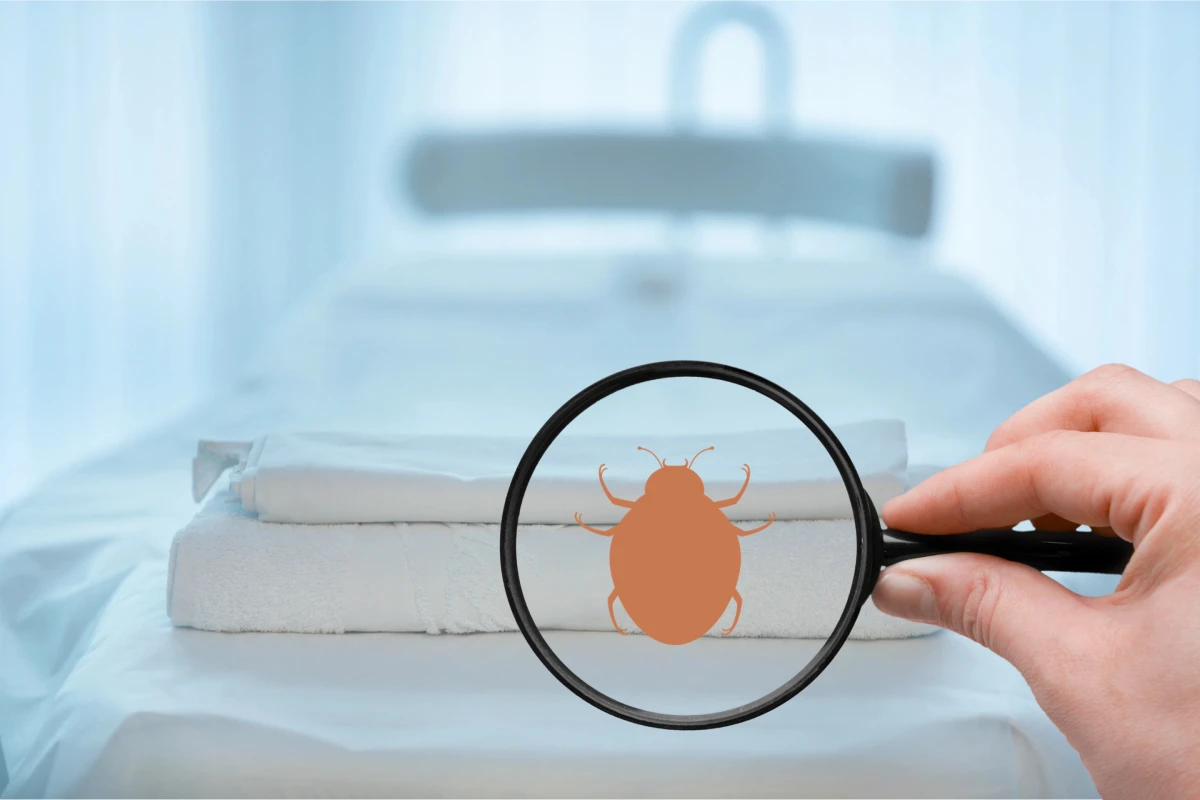
Bed bugs are small, reddish-brown insects with flat, oval-shaped bodies. Adults are generally about the size of an apple seed, measuring approximately 5–7 millimeters long.
Unlike cockroaches, bed bugs do not have functional wings and cannot fly. They feed on blood and typically hide in tight spaces near areas where people sleep or rest.
You may find them along mattress seams, inside bed frames, behind headboards, or in nearby furniture. Their flattened bodies can make them difficult to spot when they are hiding in narrow cracks.
2. Ground Beetles
Some ground beetles have dark brown or black bodies that can resemble small cockroaches. They typically have hard wing covers, a more elongated body, and relatively noticeable legs.
Ground beetles are commonly found outdoors, where many species hunt other insects. They may occasionally enter buildings, particularly when attracted by lights or when searching for shelter.
Unlike household cockroaches, ground beetles generally do not establish indoor infestations. Finding one inside does not automatically indicate a larger pest problem.
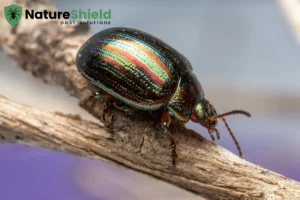
3. Carpet Beetles
Carpet beetles are generally smaller and rounder than most cockroaches. Adult carpet beetles may have dark, mottled, or patterned wing covers, depending on the species.
Their larvae are often more concerning indoors because they feed on materials containing animal-based fibers, including wool, fur, feathers, and some fabrics.
If you find small beetles near closets, carpets, stored clothing, or upholstered furniture, inspect nearby materials for larval activity or fabric damage.
4. Crickets
Crickets can sometimes be mistaken for cockroaches because of their dark coloring and elongated bodies. However, they have noticeably enlarged hind legs that help them jump.
Many crickets also produce chirping sounds, particularly at night. They are generally more associated with outdoor environments, although some species may enter homes.
A cricket’s jumping ability and prominent hind legs are useful clues that distinguish it from a cockroach.
5. Other Beetles
Certain dark-colored beetles may resemble small cockroaches when viewed from above. However, beetles generally have hardened forewings that form a protective covering over their bodies.
Their body shape, antennae, and movement vary by species. If you find an unfamiliar beetle indoors, a clear photograph or specimen can help with accurate identification.
Not every dark, oval-shaped insect is a cockroach. Looking at several physical features rather than relying on color alone can help narrow down the possibilities.
Bed Bugs vs. Cockroaches: How Can You Tell the Difference?
Bed bugs and cockroaches can both have flattened, oval-shaped bodies and brownish coloring. However, they differ in size, body structure, feeding habits, movement, and typical hiding places.
The following comparison highlights some of their most noticeable differences.
| Feature | Bed Bugs | Cockroaches |
|---|---|---|
| Typical size | Adults are about 5–7 mm long | Varies by species; many household species are larger |
| Body shape | Broad, oval, and flattened | Generally oval and flattened, with a more elongated appearance |
| Color | Reddish-brown to brown | Brown, reddish-brown, or dark brown |
| Wings | No functional wings | Most household species have wings, although some may have reduced wings |
| Antennae | Shorter and segmented | Long and noticeable |
| Movement | Crawl and hide in narrow spaces | Often move quickly when disturbed |
| Food source | Blood from humans and other animals | Varied food sources, including crumbs, grease, and organic matter |
| Common hiding places | Mattress seams, bed frames, headboards, and nearby furniture | Kitchens, bathrooms, cabinets, wall gaps, and other sheltered areas |
Differences in Appearance
A bed bug has a broad, flattened body that is usually reddish-brown. Its body may become more swollen and elongated after feeding.
Cockroaches vary considerably in size and appearance, but many have longer antennae and a more elongated body. Their wings may also be visible, depending on the species and life stage.
Differences in Movement
Cockroaches are generally quick and may rapidly run across floors, walls, and countertops when disturbed.
Bed bugs also move, but they tend to remain hidden in small cracks and crevices near their feeding areas. They crawl rather than jump or fly.
Movement can offer a useful clue, but it should not be the only factor used to identify an insect.
Differences in Feeding Habits
Bed bugs are blood-feeding insects. They usually feed while people are resting or sleeping and return to nearby hiding places afterward.
Cockroaches are scavengers that feed on a wide variety of materials, including food scraps, grease, and other organic matter.
Their different feeding habits help explain why bed bugs are commonly found near sleeping areas while cockroaches are frequently encountered around kitchens, bathrooms, and other places with accessible food or moisture.
What Do Bed Bugs Look Like at Different Life Stages?
Bed bugs change in appearance as they develop. Understanding their life stages can help you recognize insects that might otherwise be mistaken for baby cockroaches or other small pests.
Bed Bug Eggs
Bed bug eggs are tiny, approximately 1 millimeter long, and pearl-white in color. They are usually attached to surfaces in protected areas, such as cracks, seams, and crevices.
Because they are so small, eggs can be difficult to notice without close inspection.
Baby Bed Bugs (Nymphs)
Young bed bugs are called nymphs. Newly hatched nymphs are very small and pale yellow or translucent, which can make them difficult to see against light-colored surfaces.
They become darker and larger as they develop through successive stages. Nymphs need a blood meal before progressing to the next stage.
Adult Bed Bugs
Adult bed bugs are reddish-brown, oval-shaped, and approximately 5–7 millimeters long. Their bodies are relatively flat when unfed but become more swollen after feeding.
They have six legs and no functional wings. Their small size allows them to hide in narrow spaces around beds and furniture.
Baby Cockroach vs. Baby Bed Bug: How Do You Identify Them?
Young cockroaches and bed bug nymphs can both be small and difficult to identify. However, their physical features and typical locations can help distinguish them.
Baby Cockroaches
Baby cockroaches are called nymphs. They generally resemble smaller versions of adult cockroaches, although their coloring and markings may differ.
Depending on the species, young cockroaches may be dark brown, black, or lighter in color. They have long antennae and six legs, and they move relatively quickly.
They are often found near areas where adult cockroaches hide, such as kitchens, cabinets, appliances, and other sheltered spaces.
Baby Bed Bugs
Baby bed bugs are also called nymphs, but they have a different appearance from young cockroaches.
Newly hatched bed bugs are pale, almost translucent, and extremely small. Their bodies are oval-shaped, and they lack functional wings.
They are commonly found in protected spaces near beds, including mattress seams, bed frames, and nearby furniture.
Quick Identification Clues
If you are unsure which insect you found, consider these differences:
- Antennae: Cockroach nymphs have noticeably long antennae. Bed bug nymphs have shorter antennae.
- Color: Newly hatched bed bugs are pale or translucent, while cockroach nymphs are generally darker.
- Body shape: Bed bugs have broad, oval bodies. Cockroach nymphs tend to have more elongated bodies.
- Location: Bed bugs are commonly found near sleeping areas, while cockroach nymphs may appear near food, moisture, and sheltered household spaces.
- Movement: Both insects crawl, but cockroach nymphs are often quick to scatter when disturbed.
These clues can help narrow down the possibilities, but a close examination or professional identification may still be necessary.
What Are the Signs of Bed Bugs Besides Bites?
Bites may make people suspect bed bugs, but they are not a reliable way to confirm an infestation. Some people develop itchy reactions, while others show no visible symptoms.
Other insects and skin conditions can also produce similar marks. Instead of relying on skin reactions, look for physical evidence around sleeping areas.
1. Dark Fecal Spots
Bed bug droppings may appear as small, dark brown or black spots on mattress seams, bed frames, sheets, and nearby furniture.
These spots may look like tiny ink marks and can sometimes bleed into fabric when dampened.
2. Rusty or Reddish Stains
Small reddish or rusty stains may appear on bedding when bed bugs are accidentally crushed after feeding.
Although these marks can be a warning sign, they should be considered alongside other evidence.
3. Shed Skins
Bed bugs shed their outer skins as they grow. These cast skins are usually pale or light brown and may be found in hiding places near beds and furniture.
Finding several shed skins may suggest that bed bugs have been developing in the area.
4. Tiny Eggs and Eggshells
Bed bug eggs are small, pale, and often attached to surfaces in protected locations.
Look for them in mattress seams, furniture joints, and narrow cracks near sleeping areas.
5. Live Bed Bugs
Finding a live bed bug is one of the clearest signs of an active infestation.
Check seams, folds, cracks, and other sheltered areas. If possible, preserve the insect in a small sealed container so it can be identified without being crushed.
6. Musty Odor
A sweet or musty odor may sometimes be noticeable in heavier infestations. However, this is not a dependable identification method and should not be used on its own to determine whether bed bugs are present.
Where Should You Look for Bed Bugs?
Bed bugs usually hide close to places where people sleep or spend extended periods resting. They prefer narrow, protected spaces where they can remain undisturbed between feedings.
Use a flashlight to inspect the following areas:
- Mattress seams and tags: Check stitching, piping, folds, and labels for live insects, eggs, shed skins, or dark spots.
- Box springs: Inspect corners, seams, and the underside of the box spring.
- Bed frames: Examine joints, screw holes, cracks, and other narrow spaces.
- Headboards: Look behind the headboard and around areas where it connects to the wall or bed frame.
- Nightstands and nearby furniture: Check drawer joints, undersides, and furniture seams.
- Upholstered furniture: Inspect seams and folds on chairs, sofas, and other frequently used seating.
- Baseboards and wall gaps: Look for insects or evidence in cracks and crevices near sleeping areas.
Although bed bugs are commonly associated with mattresses, they do not necessarily remain there. They can hide in nearby furniture and other protected spaces.
What Should You Do If You Find a Bug That Looks Like a Cockroach?
Finding an unfamiliar insect does not automatically mean you have a cockroach or bed bug infestation. Before applying treatment, take time to identify what you have found.
1. Observe the Insect Carefully
Notice its approximate size, color, body shape, antennae, legs, and movement.
If it has wings, unusually large hind legs, or a flattened oval body, these features may help narrow down its identity.
Avoid handling the insect with bare hands.
2. Take a Clear Photograph
Use your phone to photograph the insect from above and, if possible, from the side.
Include an object of known size nearby for scale, but avoid disturbing or crushing the insect to get a closer picture.
A clear photograph can be useful when asking a pest professional or qualified identification resource for help.
3. Preserve the Specimen if Possible
If you can safely capture the insect, place it in a small sealed container.
Avoid crushing it or placing it on adhesive tape, as this may damage features needed for identification.
Keep the container away from children and pets.
4. Inspect the Surrounding Area
If the insect was found near a bed, inspect mattress seams, bed frames, headboards, and nearby furniture for signs of bed bugs.
If it appeared in a kitchen or bathroom, check for other signs of cockroach activity, including droppings, egg cases, and additional insects.
The location where you found it can provide useful context, but it does not confirm the insect’s identity.
5. Avoid Applying the Wrong Treatment
Different insects require different management approaches. A product or treatment intended for cockroaches may not be appropriate for bed bugs or another look-alike.
Avoid applying pesticides until you have a better understanding of the pest involved. Always follow product label directions and consider professional guidance when identification is uncertain.
How Can You Prevent Bed Bugs From Spreading?
Bed bugs can enter homes by hitchhiking on luggage, clothing, furniture, and other belongings. They do not need an unclean environment to establish themselves.
A few practical precautions can reduce the chances of bringing them indoors or spreading them between rooms.
Inspect Luggage After Traveling
When returning from a trip, inspect your luggage, clothing, and personal belongings before putting everything away.
Pay attention to seams, pockets, folds, and other places where small insects could hide.
Check Secondhand Furniture
Inspect used mattresses, bed frames, upholstered furniture, and other secondhand items before bringing them inside.
Look along seams, joints, undersides, and cracks for live insects, shed skins, or dark spotting.
Avoid bringing home discarded mattresses or upholstered furniture when their condition and pest history are unknown.
Use Protective Mattress Encasements
Bed bug-rated mattress and box spring encasements can help limit hiding places and make inspections easier.
Choose products specifically designed for bed bug protection and follow the manufacturer’s instructions.
Reduce Clutter Around Sleeping Areas
Clutter can create additional hiding places and make inspections more difficult.
Keep belongings organized, avoid storing unnecessary items under beds, and make sure furniture can be inspected when needed.
Be Careful When Moving Potentially Infested Items
If you suspect an item contains bed bugs, avoid carrying it uncovered through your home.
Keep potentially infested belongings contained until they can be inspected or handled appropriately. This helps reduce the chance of accidentally transferring insects to other areas.
Remember That Cleanliness Alone Does Not Prevent Bed Bugs
Bed bugs can occur in clean and well-maintained homes. They are usually introduced through infested belongings rather than attracted by food scraps or household dirt.
Regular inspection and careful handling of luggage and secondhand items are more useful prevention measures than relying on cleaning alone.
When Should You Contact a Pest Control Professional?
An unfamiliar insect may be an isolated visitor, but repeated sightings or physical evidence can indicate a more persistent problem.
Consider seeking professional assistance if:
- You repeatedly find insects that resemble bed bugs or cockroaches.
- You discover live bed bugs, eggs, or shed skins near sleeping areas.
- Dark fecal spots or rusty stains appear on bedding or furniture.
- You find insects in several rooms or on multiple pieces of furniture.
- You cannot confidently identify the insect.
- Your attempts to manage the problem have not resolved the activity.
Correct identification is especially important when bed bugs are suspected. Treating the wrong insect can waste time and allow the actual pest problem to continue.
For homeowners researching pest control in St. Joseph, a professional inspection can help determine which pest is present and what type of response may be appropriate.
Homeowners comparing options for an exterminator in St. Joseph, MO should look for a provider that can assess the pest activity and explain the recommended approach. Nature Shield Pest Solutions serves the area and provides pest management for a range of common household pests.
You can learn more about available services through the company’s pest control in St. Joseph, MO. If you are specifically researching pest control in st joseph, the local service page provides additional information about the company’s residential and commercial pest management options.
Frequently Asked Questions About Bugs That Look Like Cockroaches
1. What bugs are commonly mistaken for cockroaches?
Bed bugs, ground beetles, carpet beetles, crickets, and certain other beetles may be mistaken for cockroaches. Their coloring or body shape can look similar, especially when viewed briefly. Examining their antennae, wings, legs, size, and movement can help distinguish them.
2. How can you tell the difference between a bed bug and a cockroach?
Bed bugs are smaller, reddish-brown, oval-shaped, and wingless. Cockroaches are generally larger, have long antennae, and often have visible wings. Bed bugs are commonly found near sleeping areas, while cockroaches frequently hide around kitchens, bathrooms, and other sheltered spaces.
3. What does a baby bed bug look like compared with a baby cockroach?
A newly hatched bed bug is tiny and pale yellow or translucent. A baby cockroach, also called a nymph, generally resembles a smaller version of an adult cockroach and usually has a darker body and longer antennae.
4. Can bed bugs fly or jump?
No. Bed bugs do not have functional wings and cannot fly. They also do not jump. They move by crawling and can hide in narrow cracks and crevices.
5. Can you identify bed bugs by their bites?
No. Bite reactions vary from person to person, and some people do not develop visible reactions. Other insects and skin conditions can cause similar marks. Physical evidence, particularly live insects, is more useful for confirming bed bug activity.
8. Do bed bugs spread diseases?
Bed bugs are not known to spread diseases to people. However, their bites can cause itching, discomfort, sleep disruption, and occasional allergic reactions. Excessive scratching may also lead to secondary skin infections.
Conclusion
Several insects can resemble cockroaches, but their physical characteristics and behavior can help you tell them apart. Bed bugs are particularly important to identify correctly because they hide near sleeping areas and require a different management approach from cockroaches.
Rather than relying on color or bites alone, look for physical evidence such as live insects, shed skins, eggs, and dark spots. When you cannot confidently identify a pest, getting the right guidance can help you avoid unnecessary treatment and address the problem appropriately.
Need Help Identifying an Unwanted Pest?
If you have found an unfamiliar insect or noticed signs of bed bug or cockroach activity, Nature Shield Pest Solutions can help you explore the appropriate next steps.
Contact us today to discuss your pest concerns and learn more about available services.
LEARN MORE HERE:
The Dangers of Delaying Bed Bug Treatment in Mexico, MO: Why Quick Action is Crucial
Tiny Black Bugs Invading Your Home? Here’s What They Are and How to Stop Them