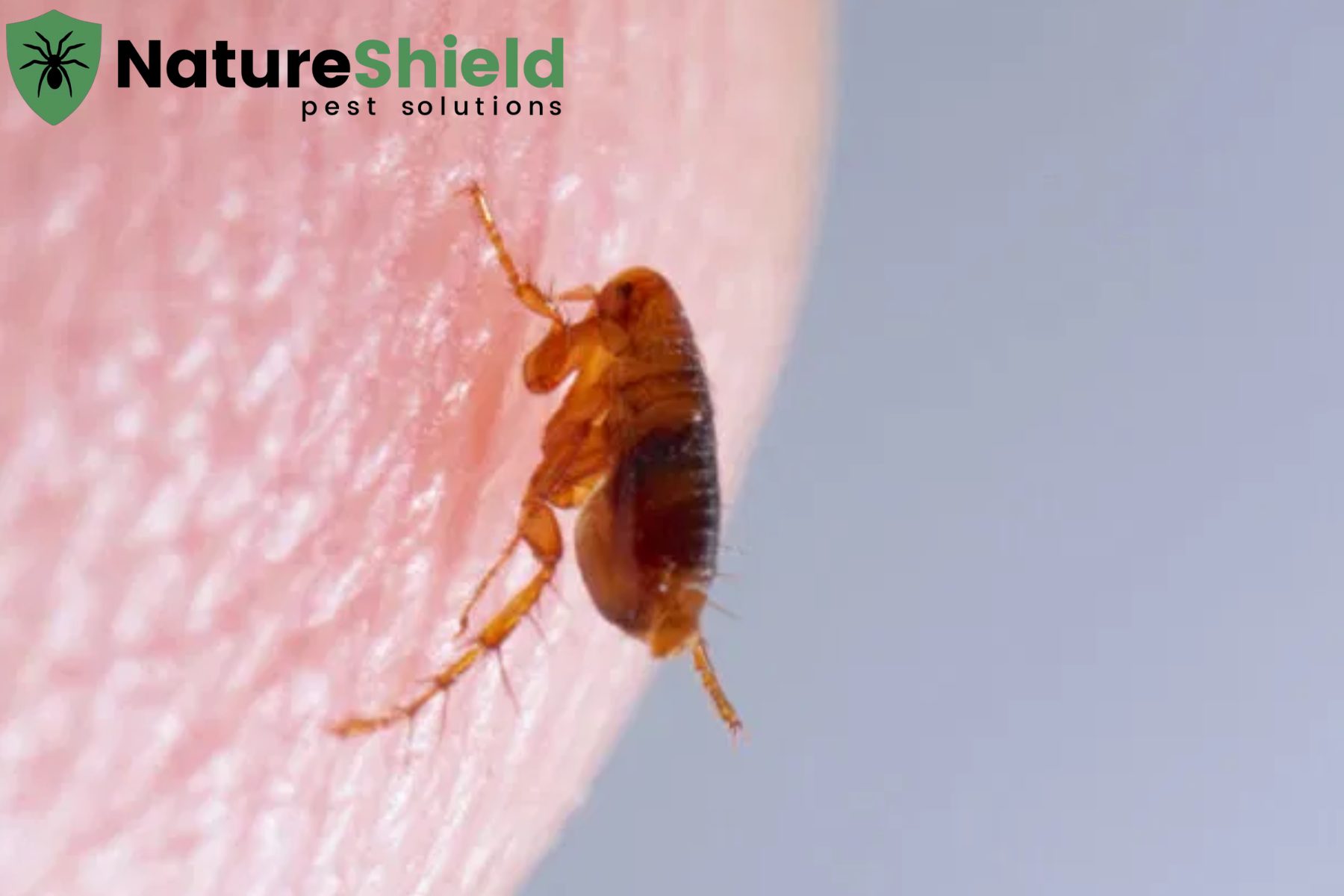
Fleas can return after initial treatment because eggs, larvae, and pupae may remain in the environment, while pets or other animals can introduce fleas again. Preventing recurring infestations usually requires coordinated pet care, consistent cleaning, environmental management, and follow-up when needed. The right approach depends on the severity of the infestation, the areas affected, and the conditions that allow fleas to survive.
Why Do Fleas Keep Coming Back After Treatment?
Recurring flea activity does not always mean the initial treatment failed. Fleas develop through several life stages, and some stages are more difficult to eliminate because they remain protected in the surrounding environment.
Adult fleas live primarily on animal hosts, where they feed and reproduce. Their eggs can fall into carpets, bedding, furniture, and other places where pets spend time. These eggs develop into larvae and eventually pupae, which can remain protected within cocoons until conditions favor emergence.
Several factors may contribute to recurring flea activity:
- Immature flea stages remain: Eggs, larvae, or pupae may survive in areas that were not adequately addressed.
- Pets remain exposed: Animals may pick up new fleas from other animals or infested environments.
- Cleaning is inconsistent: Pet resting areas, rugs, and upholstered furniture may continue to harbor flea development stages.
- Treatment is incomplete: The selected approach may not address every relevant life stage or affected area.
- Outdoor sources remain active: Shaded areas frequented by pets or wildlife may contribute to renewed exposure.
Understanding the likely source helps property owners choose appropriate next steps instead of repeatedly using the same measures without reassessing the problem.
Where Can Fleas Hide Inside the Home?
Fleas and their immature stages may be present in areas that receive little attention during routine cleaning. Concentrate on places where pets rest, sleep, or spend extended periods.
Carpets and Rugs
Carpets and rugs can collect flea eggs, pet hair, and other debris that supports flea development. Pay particular attention to areas beneath furniture, along carpet edges, and around pet resting spots.
Vacuum these areas regularly during an active flea problem. Empty the vacuum canister or dispose of the bag according to the manufacturer’s instructions, taking care to prevent collected debris from spreading.
Pet Bedding and Upholstered Furniture
Pet beds, blankets, cushions, and upholstered furniture can collect eggs and other flea stages. Wash removable bedding according to its care instructions and clean suitable furniture surfaces thoroughly.
If pets frequently rest on sofas or chairs, include those locations in the cleaning routine. Cleaning only the floor may leave other potentially affected areas untreated.
Cracks and Less Accessible Areas
Flea development stages may occur in protected spaces near baseboards, beneath furniture, and around areas where pets spend time. These locations can be easy to overlook during a quick cleanup.
Use suitable cleaning tools to reach accessible edges and gaps. Avoid applying cleaning products or pest treatments in ways that could damage surfaces or expose people and animals unnecessarily.
How Should You Clean to Reduce Flea Activity?
Cleaning helps remove flea eggs, larvae, and debris from affected areas, but it should be part of a coordinated prevention plan rather than the only response to an established infestation.
1. Vacuum Frequently
Vacuum carpets, rugs, upholstered furniture, and other appropriate surfaces where pets spend time. Pay attention to areas beneath furniture and along room edges.
The required frequency depends on the extent of the problem and the professional or product guidance being followed. During an active infestation, consistent cleaning is generally more useful than a single intensive session.
2. Wash Pet Bedding and Washable Fabrics
Clean pet bedding, blankets, and other washable items regularly. Follow fabric-care instructions and any relevant treatment guidance to determine the appropriate washing and drying methods.
Avoid assuming that one wash will resolve every flea problem. Continue monitoring and cleaning while addressing the other potential sources of activity.
3. Reduce Clutter Around Resting Areas
Excess clutter can make it harder to clean thoroughly and monitor pest activity. Organize storage areas, remove unnecessary items, and keep pet resting areas accessible for routine maintenance.
Do not discard belongings unnecessarily. Focus on cleaning and assessing items that may be affected, and follow professional recommendations if an infestation is extensive.
4. Maintain a Consistent Cleaning Routine
Create a manageable schedule for vacuuming, washing bedding, and checking areas where pets rest. Consistency can help reduce environmental flea stages and make changes in activity easier to notice.
If fleas continue appearing despite these steps, reassess whether all affected areas have been addressed and whether pets or outdoor environments may be contributing to the problem.
How Can You Protect Pets From Fleas?
Pet care is an essential part of preventing recurring flea infestations. Treating the home while leaving pets unprotected can allow the problem to continue, particularly when animals remain exposed to fleas.
Consult a Veterinarian About Flea Prevention
Ask a veterinarian to recommend a suitable flea-prevention product for each pet. The appropriate option depends on factors such as species, age, weight, health, and other medications.
Never assume a product intended for dogs is safe for cats or other animals. Follow the label and veterinary instructions carefully, and do not apply household pest-control products directly to pets unless they are specifically labeled for that purpose.
Check Pets for Ongoing Activity
Observe pets for frequent scratching, biting at their coats, or visible fleas. These signs can have other causes, so persistent itching or skin irritation should be evaluated by a veterinarian rather than automatically attributed to fleas.
Use a flea comb if appropriate for the animal and follow veterinary advice for managing any fleas found. Continue recommended prevention even when visible fleas become less common, as advised by the veterinarian.
Coordinate Pet Care With Home Cleaning
Pet treatment and environmental cleaning should be planned together. If animals continue bringing fleas indoors, cleaning alone may provide only temporary improvement.
For households with multiple pets, ask a veterinarian how to coordinate prevention for all animals. Do not use the same medication or dosage across different pets without professional guidance.
What Outdoor Conditions Can Contribute to Flea Problems?
Fleas can be associated with outdoor areas where animals rest or move through the environment. Shaded, protected locations frequented by pets or wildlife may be more relevant than exposed areas that receive direct sunlight.
Maintain Areas Where Pets Spend Time
Keep outdoor pet resting areas reasonably clean and remove accumulated debris where practical. Wash outdoor pet bedding when suitable and inspect sheltered areas that animals use regularly.
Mowing and general yard maintenance can improve visibility and reduce some sheltered spaces, although these steps alone will not eliminate fleas.
Consider Other Animals and Sources of Exposure
Pets may encounter fleas during outdoor activities or through contact with other animals. Wildlife activity near a property may also contribute to exposure, depending on the circumstances.
Avoid handling wildlife or attempting to disturb animal nests. If repeated flea activity appears linked to a particular outdoor area, assess the situation before deciding whether additional intervention is necessary.
Determine Whether Outdoor Treatment Is Appropriate
Not every flea problem requires treatment of the entire yard. The appropriate response depends on where flea activity occurs, whether pets use the area, and whether evidence suggests an outdoor source.
A professional assessment can help determine whether environmental treatment is warranted and which locations, if any, should receive attention. If you need pest control in Nixa, a qualified professional can help evaluate the source of flea activity and recommend appropriate measures. Any treatment should be selected and applied according to product-label requirements and relevant safety precautions.
What Signs Suggest a Flea Problem Is Continuing?
Occasional flea sightings after treatment do not automatically prove that the treatment was ineffective. However, persistent or increasing activity may indicate that immature stages remain, pets are being re-exposed, or parts of the environment have not been adequately addressed.
Watch for these signs:
- Fleas continue to appear on pets despite following recommended prevention.
- Pets repeatedly scratch, bite, or groom themselves excessively.
- Fleas are found in areas where pets sleep or spend time.
- Flea activity returns after cleaning or environmental treatment.
- Multiple rooms or pet resting areas appear to be affected.
- The problem continues despite following the recommended treatment and follow-up instructions.
Flea dirt, which consists of flea feces, may appear as tiny dark specks in an animal’s coat. A flea comb and appropriate veterinary guidance can help determine whether fleas may be present.
If signs persist, document where fleas are found, which pets are affected, and what cleaning or treatment measures have already been used. This information can help a veterinarian or pest management professional evaluate possible causes.
When Should You Seek Professional Flea Control?
Professional assistance may be appropriate when flea activity persists, the source is unclear, or the infestation affects several areas of the property. Repeatedly trying different products without understanding the problem can waste time and may increase the risk of improper product use.
Consider a professional assessment when:
- Fleas continue appearing despite coordinated pet care and consistent cleaning.
- Several rooms or pet resting areas show signs of activity.
- The source of recurring fleas is difficult to identify.
- You are unsure which environmental measures are appropriate.
- Previous treatments have not produced the expected improvement.
- You need guidance on preparing the property and following treatment precautions.
A professional inspection may involve identifying signs of flea activity, examining relevant indoor and outdoor areas, reviewing conditions that may contribute to recurrence, and recommending suitable control measures.
When comparing pest control in Nixa, MO, ask how the provider will assess the problem, which areas may need attention, what preparation is required, and whether follow-up is recommended. Clear explanations help property owners understand what a proposed service can address and what ongoing prevention may still be necessary.
How Can You Build a Long-Term Flea Prevention Plan?
Preventing recurring fleas usually requires several measures working together. A practical plan should address pets, indoor environments, potential outdoor sources, and the need to monitor results.
Use the following checklist to organize ongoing prevention:
- Follow veterinarian-recommended flea prevention for pets.
- Vacuum carpets, rugs, and suitable upholstered surfaces regularly.
- Wash pet bedding and other washable items according to care instructions.
- Keep pet resting areas clean and accessible.
- Monitor pets for fleas and unusual itching.
- Maintain outdoor areas where pets regularly rest.
- Record recurring flea sightings and the areas affected.
- Follow professional treatment and re-entry instructions when applicable.
- Reassess the plan if flea activity persists or returns.
For homeowners researching Nixa pest control, a useful prevention plan should focus on the actual source of flea activity rather than relying on a one-size-fits-all treatment. Nature Shield Pest Solutions can help property owners understand available options when recurring flea problems require professional assessment.
The goal is to reduce the conditions that support flea development, protect pets through appropriate veterinary care, and respond promptly when signs of renewed activity appear.
Frequently Asked Questions
Why do fleas keep coming back after treatment?
Fleas may return because eggs, larvae, or pupae remain in the environment, pets encounter new fleas, or some affected areas were not adequately addressed. A coordinated plan involving pet care, cleaning, and appropriate environmental control can help reduce recurring activity.
How long can flea activity continue after initial treatment?
The timeline varies with the infestation, the treatment used, environmental conditions, and whether pets are re-exposed. Some fleas may emerge from protected developmental stages after the initial treatment, so follow-up and monitoring may be necessary.
Can fleas live in a home without pets?
Yes. Fleas can remain in an environment after an animal has left, and other animals may introduce them. If fleas appear in a home without pets, investigate possible sources rather than assuming the infestation must have originated indoors.
How often should pet bedding and carpets be cleaned during a flea problem?
Clean them consistently during an active infestation, following fabric-care instructions and the recommendations provided by a veterinarian or pest management professional. The appropriate frequency depends on the affected areas and the control plan.
Should pets and the home be treated at the same time?
Pet care and environmental control should be coordinated, but the specific timing and methods depend on the products and circumstances involved. A veterinarian should guide pet treatment, while environmental products must be used according to their labels and professional instructions.
When should you contact a pest control professional about recurring fleas?
Seek professional guidance when fleas continue appearing despite consistent cleaning and appropriate pet prevention, when multiple areas are affected, or when the source is unclear. Nature Shield Pest Solutions can help assess recurring flea activity, identify contributing conditions, and determine whether additional environmental treatment is appropriate.
If fleas keep returning despite your prevention efforts, contact us today to discuss your concerns and possible next steps.
LEARN MORE HERE:
Flea-Infestation? Pest Control Pros Are Here To Save The Day
Silent Destroyers: Can Fleas Fly? Here’s What You Need to Know
Are Flea Sprays Safe? What You Need to Know Before Spraying Indoors