
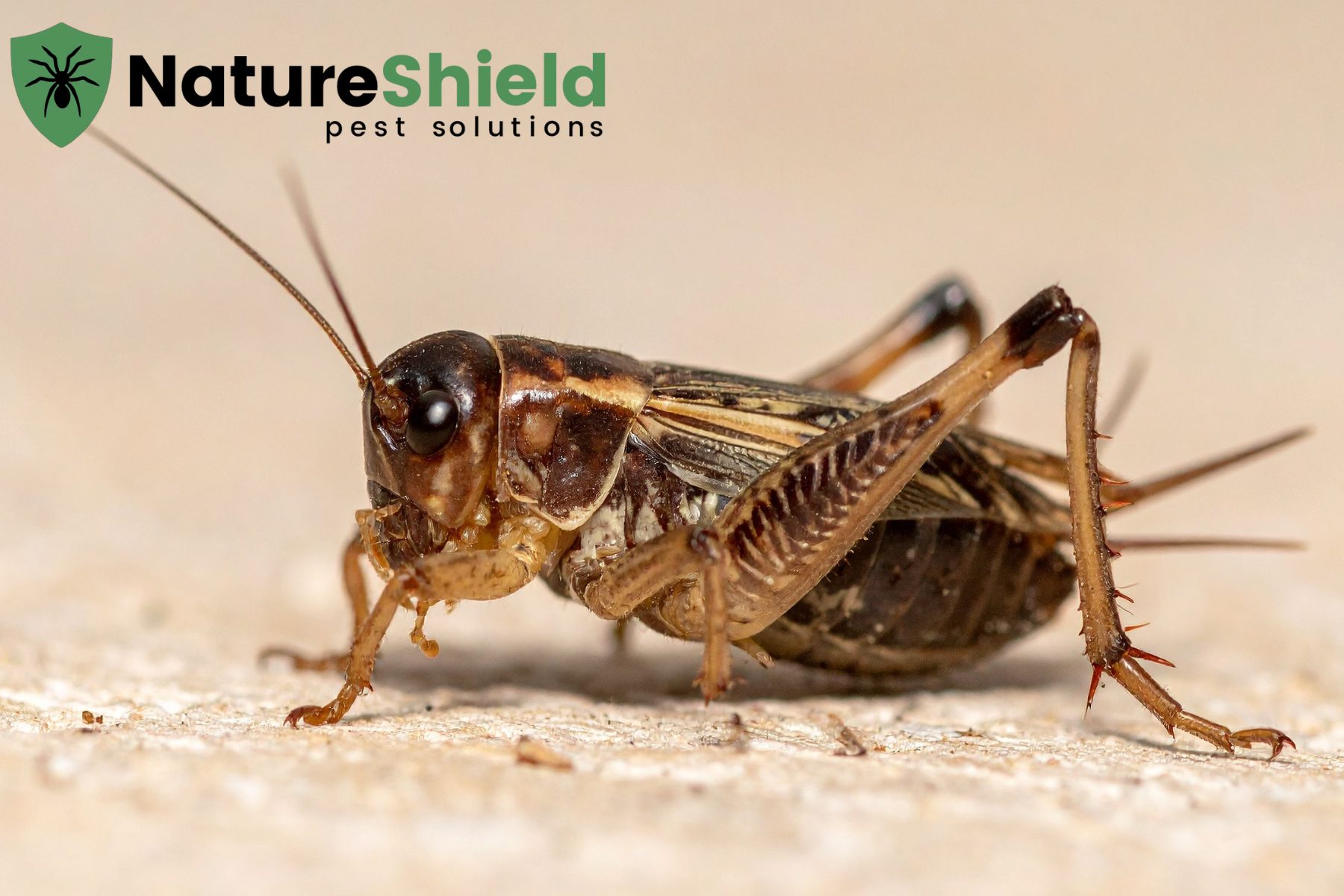
How to Get Rid of Mormon Crickets: A Practical Guide
Mormon crickets are not your typical backyard insect. Known for their large swarms and voracious appetites, these pests can quickly turn into a serious problem when they invade gardens, farms, and even residential areas. If you’re facing an infestation or simply want to understand how to prevent one, this guide will help you take control using proven methods.
Let’s dive into what makes the mormon cricket a unique pest and more importantly, how to get rid of them.
What Are Mormon Crickets?
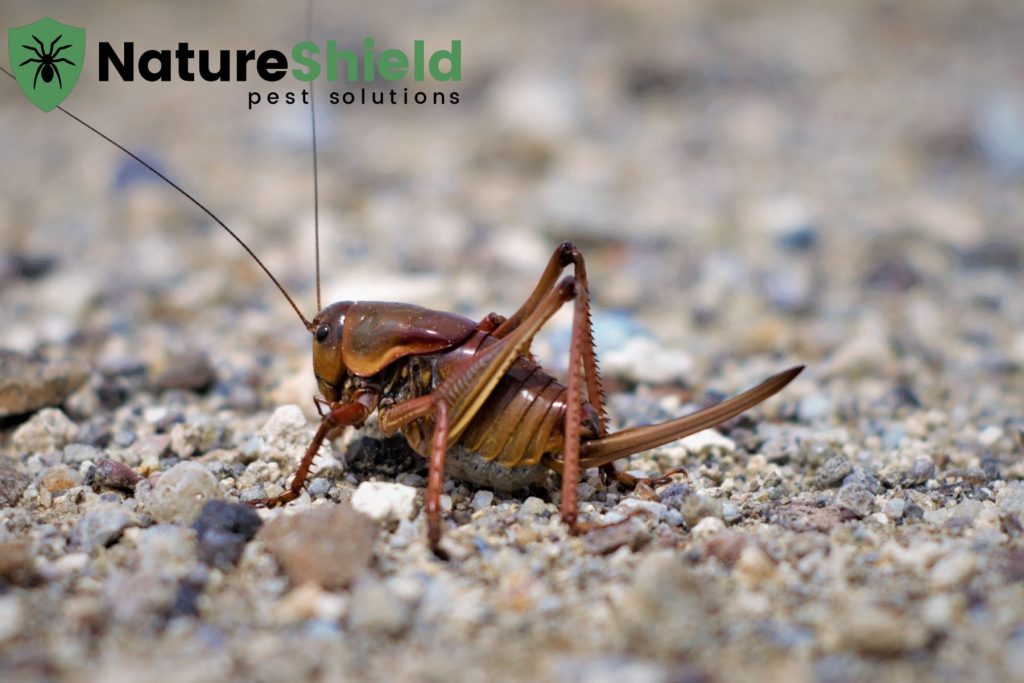
Despite their name, Mormon crickets (Anabrus simplex) are not true crickets; they’re a species of katydid. Native to the western United States, these insects are infamous for forming massive migratory swarms that can span several miles.
Mormon crickets can grow up to 2 inches long and are typically black, brown, or green. They have large hind legs but cannot fly, so they travel by crawling and jumping. While they pose no serious threat to human health, their presence can be overwhelming due to their size, smell, and the damage they cause to plants and crops.
Do Mormon Crickets Bite?
One common concern among homeowners is do mormon crickets bite? The answer is no at least not in a way that poses any danger to humans. Mormon crickets do not bite or sting people, nor are they venomous. However, their strong mandibles are capable of chewing through leaves, vegetables, and even soft materials like fabric if food sources are scarce.
So, while they aren’t harmful through bites, their presence can still be destructive and unpleasant.
Why Are Mormon Crickets a Problem?
The issue with Mormon crickets lies in their sheer numbers. A single swarm can contain millions of individuals, consuming nearly every plant in their path. In agricultural settings, they can devastate crops. In residential areas, they may damage gardens, landscaping, and create messes by piling up on porches, sidewalks, and driveways.
In addition to eating plants, Mormon crickets can attract predators and scavengers, and their dead bodies may emit a strong odor when crushed in large numbers. The combination of their appearance, behavior, and environmental impact makes them a serious seasonal concern for many communities.
How to Get Rid of Mormon Crickets
Getting rid of Mormon crickets requires a combination of prevention, exclusion, and treatment. Here are the most effective strategies:
1. Eliminate Shelter and Food Sources
Mormon crickets are drawn to areas with dense vegetation, gardens, and high moisture. Start by:
- Trimming back overgrown plants and shrubs
- Removing leaf litter, compost piles, and yard waste
- Keeping grass cut short
- Avoiding excess watering that creates damp soil environments
By reducing available food and hiding places, you can make your property less attractive to these pests.
2. Create Physical Barriers
Because Mormon crickets cannot fly, physical barriers are one of the most effective deterrents. Use these methods:
- Install fine mesh or screening around garden beds
- Apply slick surfaces like aluminum or Teflon barriers to walls and fences to prevent climbing
- Use landscape edging to discourage crawling into gardens
When done correctly, these barriers can redirect cricket movement and help protect vulnerable areas.
3. Use Baits and Insecticides
In areas where swarms are active, professional-grade baits and insecticides may be necessary. These often include:
- Carbaryl-based baits: Spread along migration paths to reduce population size
- Residual insecticides: Applied to outdoor surfaces like siding, patios, and fences to kill crickets on contact
- Spot treatments: Targeting nests or high-traffic areas
Always follow product labels carefully, and keep pets and children away from treated areas. For best results, consider hiring a Bolivar pest control expert who can tailor a treatment to your property’s specific needs.
4. Seal Entry Points Into the Home
Mormon crickets may occasionally try to enter homes in search of shelter. To keep them out:
- Seal cracks and gaps around windows, doors, and foundations
- Use weather stripping and door sweeps
- Repair damaged screens or vents
- Keep garage doors closed when not in use
This not only prevents crickets from coming indoors but also helps keep out other unwanted pests.
5. Clean Up Promptly
If a swarm has passed through, quick cleanup is essential:
- Use a broom or vacuum to remove dead crickets
- Dispose of carcasses in sealed bags to avoid attracting other pests
- Hose down sidewalks and driveways to remove stains and residue
This reduces odor and prevents scavengers like ants and rodents from becoming a new issue.
When to Call the Professionals
Large infestations are nearly impossible to manage without expert help. If you’re overwhelmed or dealing with repeated invasions, don’t hesitate to search for cricket control near me and contact a local pest management professional.
A pest control technician can:
- Assess the size and location of the infestation
- Identify potential attractants or breeding areas
- Apply safe, targeted treatments
- Help prevent future outbreaks
Look for a provider who understands local pest behavior and can offer customized solutions. In regions like Missouri, where Mormon crickets can appear seasonally, working with a reliable pest control Bolivar MO service ensures long-term results.
Are Mormon Crickets a Seasonal Problem?
Yes, Mormon crickets are highly seasonal. They usually emerge in late spring and continue through the summer. Peak activity varies by region, but swarming behavior is most common during warm, dry months.
Populations can fluctuate dramatically from year to year, depending on climate conditions, food availability, and predator levels. While some years may bring minimal activity, others can result in massive outbreaks, especially in areas near farmland or open fields.
Knowing when and where these pests are likely to appear can help you prepare early and take proactive steps to minimize their impact.
Final Thoughts
While Mormon crickets aren’t dangerous in the traditional sense, they can still be incredibly disruptive to homes, gardens, and communities. Their sheer numbers, smell, and destructive feeding habits make them a challenging pest to manage once they arrive. The good news? With a combination of prevention, exclusion, and targeted treatment, you can keep these invaders at bay.
Whether you’re already facing an invasion or looking to prevent one in the future, staying informed and acting quickly is the key to success.
About Nature Shield Pest Solutions
Nature Shield Pest Solutions is your local partner for safe, effective, and environmentally responsible pest control. Based in Bolivar, Missouri, we offer expert solutions for a wide range of pests, including Mormon crickets, ants, spiders, rodents, and more. Our team uses science-backed treatments that protect your home, family, and environment without harsh chemicals or one-size-fits-all approaches.