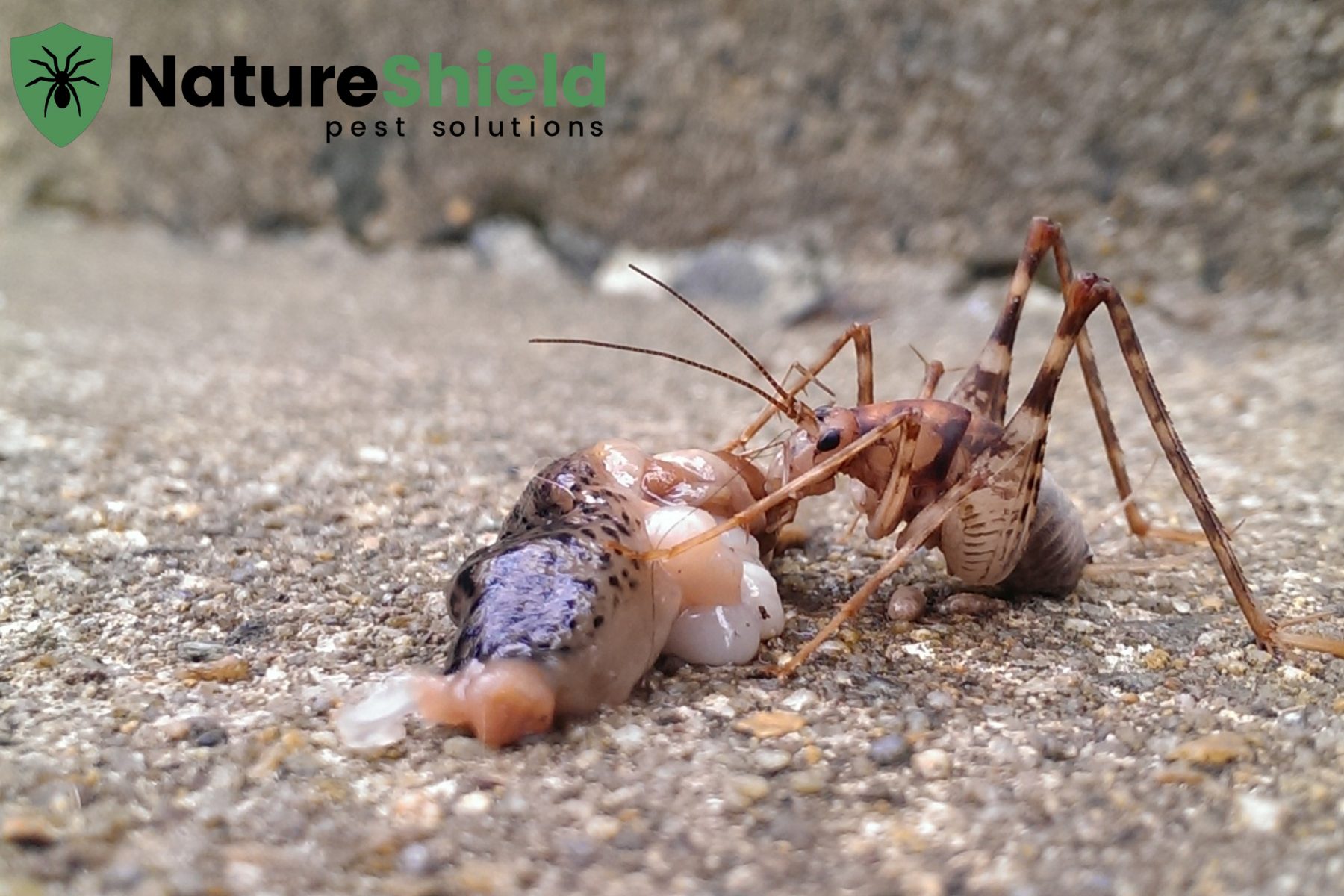
Are Camel Crickets Bad to Have in the House?
Camel crickets, also known as cave crickets or spider crickets, are among the unexpected pests that can catch homeowners off guard. With their long legs, humped backs, and quick jumping abilities, they’re often mistaken for spiders at first glance. But are they actually dangerous? Are camel crickets bad to have in the house? The short answer: not in the way you might think, but they certainly aren’t welcome guests either.
In this article, we’ll break down the facts about camel crickets, the risks they pose, why they’re attracted to your home, and most importantly, how to get rid of camel crickets if you start noticing them around your property.
What Are Camel Crickets?
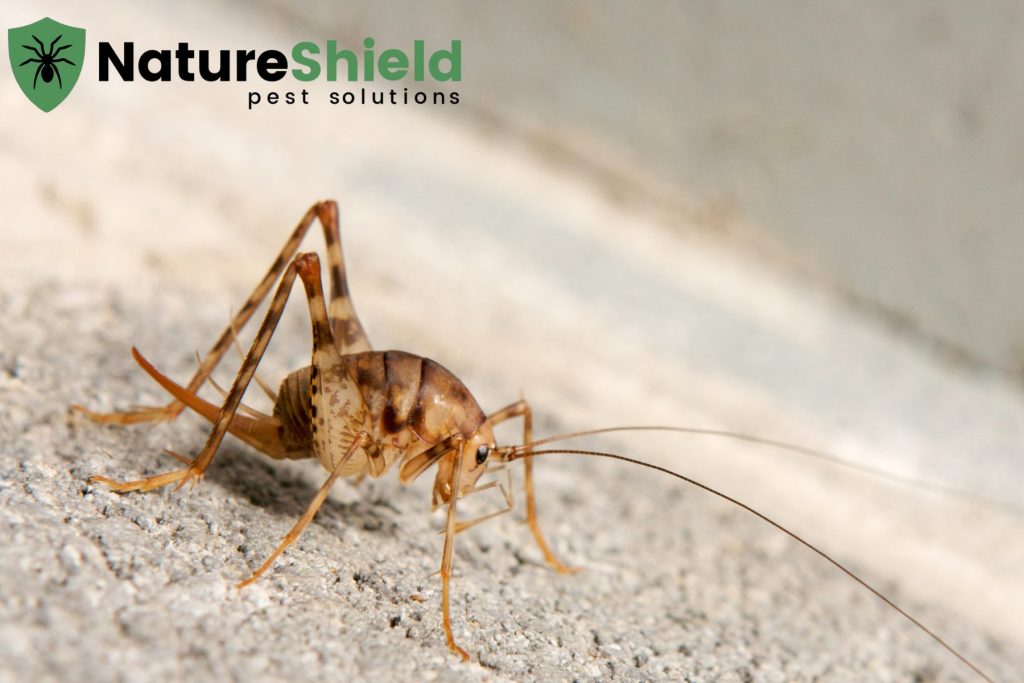
Camel crickets (family Rhaphidophoridae) are wingless insects with long, slender legs and a distinctive arched back, hence the name “camel” cricket. They thrive in dark, damp environments such as basements, crawl spaces, garages, sheds, and even bathrooms. These pests are most active at night and are notorious for jumping wildly when disturbed, which can be startling.
Unlike true crickets, camel crickets don’t chirp. They lack sound-producing organs, making them a silent intruder that can multiply unnoticed.
Are Camel Crickets Harmful?
While camel crickets may look scary especially when they suddenly leap toward you they are not dangerous to humans or pets. They don’t bite, sting, or transmit diseases. However, that doesn’t mean they’re completely harmless.
So, are camel crickets bad to have in the house? Here are a few key reasons they’re considered a nuisance pest:
1. They Damage Fabrics and Paper Products
Camel crickets are scavengers and will feed on a variety of organic materials. Indoors, they may chew through cardboard, fabric, clothing, houseplants, wallpaper glue, and even carpet fibers. In large numbers, this feeding behavior can cause noticeable damage to stored items, especially in damp storage areas like basements.
2. They Can Multiply Quickly
While one or two camel crickets may not seem like a big issue, infestations can grow quickly in the right conditions. Female camel crickets lay eggs in moist soil or dark crevices, and their populations tend to surge during the late summer and fall when outdoor conditions drive them indoors.
3. Their Presence Signals a Moisture Problem
Camel crickets are drawn to damp, humid environments. If you’re seeing them in your home, it’s often a sign of excess moisture, something that can lead to bigger problems like mold growth, wood rot, and even structural issues over time.
4. They’re Visually Alarming
These insects might not cause physical harm, but their appearance and erratic jumping behavior can cause stress or discomfort, especially for people with insect phobias. In other words, they’re not the kind of pest anyone wants hopping across their floor at night.
Why Do Camel Crickets Come Indoors?
Camel crickets typically live outdoors under mulch, woodpiles, stones, and logs. However, as temperatures drop or outdoor conditions become dry, they begin looking for moisture and shelter, two things your basement or crawl space might offer in abundance.
Some of the most common attractants include:
- Damp basements or crawl spaces
- Poor ventilation
- Piles of cardboard or paper
- Leaky pipes or standing water
- Cluttered storage areas
Once inside, they can settle into these areas undetected, especially since they don’t make noise and prefer to hide during the day.
How to Prevent Camel Crickets
Keeping camel crickets out of your home begins with prevention. Here are some proactive tips to reduce the risk of an infestation:
1. Reduce Moisture
- Use dehumidifiers in basements, bathrooms, and crawl spaces
- Repair leaky faucets or pipes
- Improve ventilation in damp areas
- Ensure gutters and downspouts are draining away from your home
2. Seal Entry Points
- Install weather stripping around doors and windows
- Seal gaps and cracks around foundations, vents, and utility lines
- Replace damaged screens or install fine mesh over air vents
3. Declutter and Organize
- Store clothing and paper products in sealed plastic containers
- Elevate boxes off the floor
- Keep basements and storage rooms clean and dry
4. Maintain the Exterior
- Keep mulch and woodpiles away from the foundation
- Mow the lawn regularly and trim overgrown vegetation
- Remove outdoor debris where crickets could hide
How to Get Rid of Camel Crickets
If camel crickets have already made it inside, it’s time to act. While DIY methods like sticky traps or natural repellents can help in small numbers, a larger infestation often requires professional Columbia pest control services to fully eliminate the problem and prevent future infestations.
DIY Options
- Sticky traps: Place them near walls or dark corners where crickets may travel.
- Vacuuming: Regular vacuuming can remove crickets, eggs, and organic debris that attract them.
- Natural deterrents: Some homeowners report success using cedar oil, diatomaceous earth, or boric acid.
However, these are usually temporary solutions.
Professional Pest Control
For more serious infestations or if you’re seeing repeated activity, it’s time to contact pest control in Columbia, MO. Professional technicians can:
- Conduct a full inspection of your home
- Identify entry points and breeding areas
- Apply targeted treatments that are safe for family and pets
- Recommend long-term prevention strategies
If you’re searching for cricket control or dealing with recurring issues despite your best efforts, a licensed pest professional is your best option for long-term success.
Final Thoughts
So, are camel crickets bad to have in the house? While they’re not harmful in a medical sense, camel crickets can certainly be a nuisance. Their tendency to invade damp, dark places and their appetite for fabric and paper make them unwelcome guests in any home.
The good news is that with the right moisture control, preventative maintenance, and professional pest control in Columbia, you can keep your home cricket-free. If you’re seeing signs of camel crickets, don’t wait until it becomes an infestation.
Frequently Asked Questions
Are crickets harmful?
Most crickets are not harmful to humans, but they can become a nuisance indoors. Some species may damage fabrics, paper, or plants when infestations grow.
Are camel crickets dangerous?
No, camel crickets are not dangerous. They do not bite, sting, or spread diseases, but their jumping behavior and large numbers can make them unsettling for homeowners.
Are spider crickets harmful?
Spider crickets, another name for camel crickets, are generally harmless to people and pets. However, they can damage stored items like cardboard, clothing, and wallpaper glue in damp areas.
Are camel crickets bad?
Yes, camel crickets can be bad to have in the house because they thrive in moist environments, multiply quickly, and may signal underlying moisture issues in your home.
Are camel crickets harmful?
Camel crickets are not medically harmful, but they can still create problems indoors by damaging household materials and becoming a persistent nuisance if left untreated.
About Nature Shield Pest Solutions
Nature Shield Pest Solutions is a trusted provider of eco-conscious pest control services based in Columbia, Missouri. We specialize in eliminating household pests such as crickets, ants, spiders, and rodents using effective, responsible treatment methods. Whether you’re dealing with an unexpected cricket invasion or looking for long-term solutions, our team has the knowledge and tools to protect your home and family.
Learn more here:
Cricket Crazy: Call Expert Pest Control
Crickets in Flight: What It Reveals About Their Lifecycle and Environment