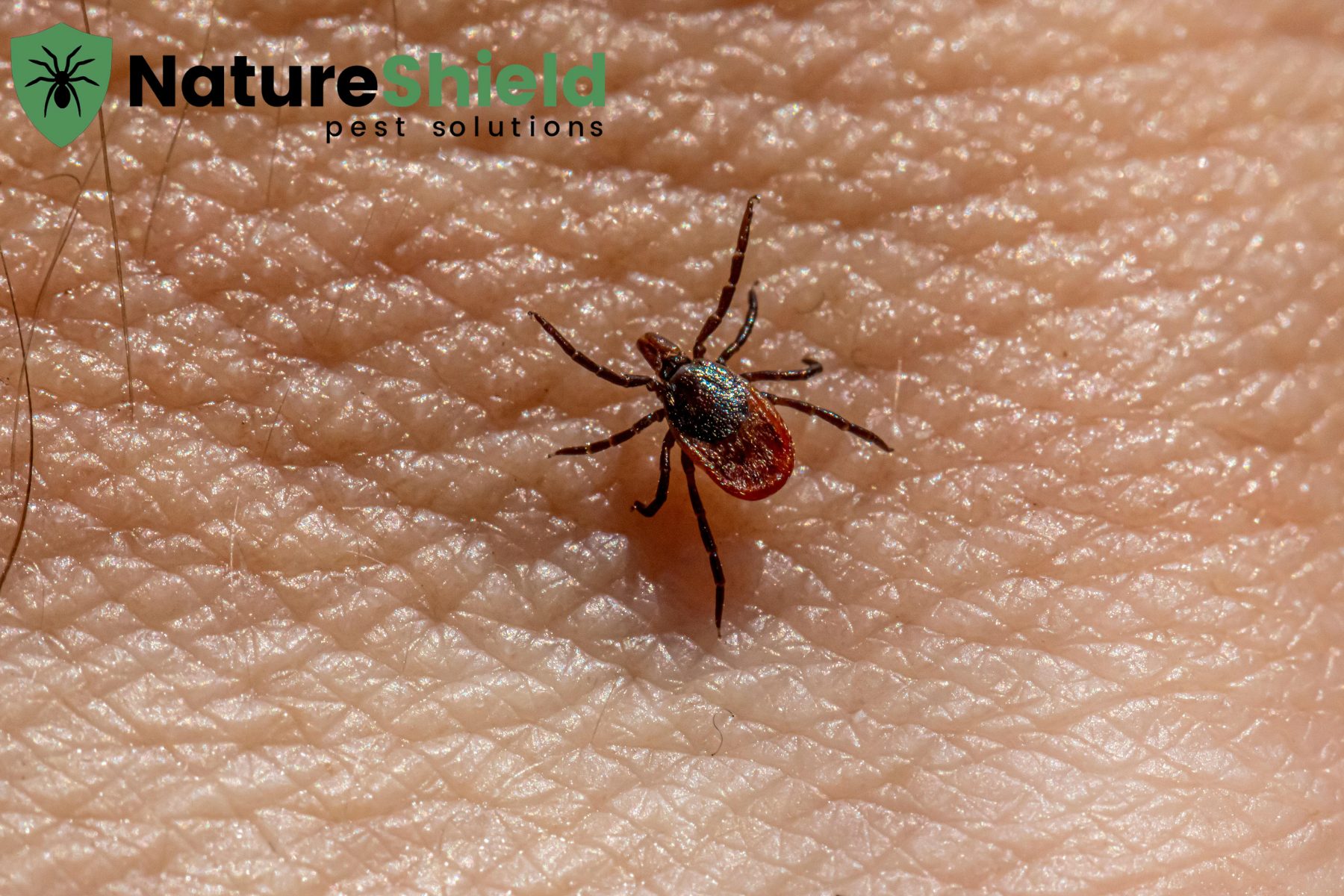
A tick can survive without a host for varying lengths of time, depending on its species, life stage, feeding status, and environmental conditions. Unlike parasites that remain on a host continuously, ticks spend much of their lives in the environment waiting for an opportunity to feed. This means finding a tick indoors or outdoors does not necessarily mean it will die quickly simply because a host is not immediately available.
Why Can Ticks Survive Without a Host?
Ticks need blood meals to develop through their life stages and, in many species, to reproduce. However, they do not remain attached to a host throughout their entire life cycle.
After feeding, a tick typically leaves its host and spends time in the environment before seeking another suitable host. Depending on the species and life stage, this off-host period can last for an extended period.
This ability to survive between blood meals is one reason ticks can remain a concern even when a person or animal is not continuously present in an area.
How Long Can a Tick Live Without Feeding?
There is no single timeframe that applies to every tick.
Some ticks can survive for months or longer without another blood meal under suitable environmental conditions. Their ability to remain alive depends on factors such as:
- Tick species
- Life stage
- Whether the tick has recently fed
- Temperature
- Humidity
- Access to shelter
- Availability of a suitable host
A tick’s survival without feeding should therefore not be reduced to a single number of days or weeks.
The important point is that a tick can remain alive while waiting for another host, so the absence of an immediate host does not necessarily eliminate the risk of continued tick activity.
What Factors Affect Tick Survival Without a Host?
Tick Species
Different tick species have different life cycles, host preferences, and environmental requirements.
Some species spend significant amounts of time in vegetation or other outdoor environments while waiting for hosts. Others have life cycles that are more closely associated with particular animals.
Because of these differences, information about one tick species should not automatically be applied to every tick.
Life Stage
Ticks generally progress through several life stages, including larva, nymph, and adult.
Different stages have different feeding requirements and host preferences. A tick’s ability to survive between blood meals can also vary depending on its developmental stage.
This is why identifying the tick can provide useful context when determining how long it may remain viable without another host.
Temperature
Temperature can influence tick activity and survival.
Very hot or very cold conditions may affect how actively ticks move and seek hosts, while suitable temperatures can allow them to remain viable in the environment.
Humidity
Moisture is another important environmental factor.
Ticks can be vulnerable to drying out, so areas that provide suitable humidity and protection from harsh conditions may support longer survival than exposed, dry environments.
Shelter
Ticks may seek protected areas such as leaf litter, vegetation, soil, or other sheltered environments.
An exposed area may be less favorable than a location that provides protection from temperature extremes and drying conditions.
Feeding Status
A tick that has recently taken a blood meal is in a different biological state from an unfed tick.
Its development, behavior, and subsequent time in the environment depend partly on where it is in its life cycle.
Can Ticks Live Inside a House Without a Host?
A tick can remain alive indoors for some time without immediately finding a host, but indoor survival depends on the species and environmental conditions.
Finding one tick inside a house does not automatically mean there is an established indoor infestation. A tick may have been carried inside on a person, pet, clothing, or equipment before dropping off.
However, repeated tick sightings can indicate that there is an ongoing source that deserves investigation.
Pay attention to:
- Repeated ticks in the same room
- Ticks found on pets
- Ticks appearing after outdoor activity
- Multiple ticks discovered over time
- Activity near pet resting areas
- Ticks appearing around doors or other potential entry points
The goal is to determine whether the tick was an isolated introduction or part of a continuing exposure problem.
Can Ticks Live in Carpet, Bedding, or Furniture?
Ticks may survive temporarily in indoor environments, but finding a tick in carpet, bedding, or furniture does not necessarily mean that it has established a population there.
The circumstances surrounding the discovery are important.
For example, a tick may enter a home on a pet or person’s clothing and later be found elsewhere. Other situations may involve repeated introductions from an outdoor area or an animal host.
If ticks continue appearing indoors, look beyond the specific location where one was found. Consider how people and pets enter the home and where they spend time outdoors.
Can Pets Bring Ticks Into the House?
Yes. Pets that spend time outdoors can encounter ticks in vegetation, leaf litter, grass, wooded areas, and other environments where ticks are present.
A tick may attach to a pet while the animal is outside and later be brought indoors.
Regularly checking pets after outdoor activity can help identify ticks before they have an opportunity to remain in the home. Pay particular attention to areas where ticks may be difficult to notice, and follow veterinary guidance for appropriate tick prevention.
If ticks are repeatedly found on a pet or inside the home, consider whether the source may be ongoing outdoor exposure rather than an isolated incident.
What Should You Do If You Find a Tick Indoors?
Finding one tick does not necessarily require treating the entire home. Start by determining where the tick may have come from.
Check People and Pets
If the tick may have been brought indoors recently, check household members and pets for additional ticks.
If a tick is attached to a person, follow established tick-removal guidance and monitor for any symptoms that warrant medical attention.
For pets, consult a veterinarian about safe tick-removal and prevention practices.
Identify Where the Tick Was Found
Note the location where the tick was discovered.
Was it near a pet’s sleeping area, entryway, carpet, furniture, or clothing? The location may provide clues about how it entered the home.
Check Recent Outdoor Exposure
Think about recent activities involving:
- Tall grass
- Brush
- Wooded areas
- Leaf litter
- Pets spending time outdoors
- Outdoor equipment or clothing
This can help determine whether the tick was likely introduced from outside.
Monitor for Additional Activity
One isolated tick and repeated sightings have different implications.
Continue monitoring areas where ticks have previously been found. Multiple discoveries may justify a more thorough investigation into the source.
How Do You Know If You Have an Ongoing Tick Problem?
Repeated sightings are more concerning than finding a single tick.
Potential warning signs include:
- Multiple ticks found indoors
- Ticks repeatedly found on pets
- Ticks appearing in different rooms
- Continued sightings despite reasonable preventive measures
- Frequent tick exposure around the property
- Difficulty determining where the ticks are coming from
If the source is unclear, avoid assuming that the problem is limited to the exact place where a tick was discovered.
The surrounding environment and potential hosts may provide more useful clues.
What Attracts or Supports Ticks Around a Property?
Ticks do not typically infest a property because of food left outdoors in the same way some household pests do. Instead, their presence is often associated with suitable habitat and access to hosts.
Conditions that may contribute to tick exposure can include:
- Dense vegetation
- Leaf litter
- Brush
- Shaded, humid areas
- Wildlife activity
- Outdoor pets
- Areas where people or animals frequently pass through vegetation
Reducing favorable habitat and limiting contact with tick-prone environments can help reduce exposure.
For homeowners researching pest control in Springfield, MO, understanding the relationship between ticks, environmental conditions, and potential hosts can be an important part of determining why activity continues around a property.
How Can You Reduce Tick Exposure Around Your Home?
Reducing tick encounters involves addressing both environmental conditions and host exposure.
Keep Grass and Vegetation Managed
Regular lawn maintenance can reduce areas where people and pets come into contact with vegetation that may harbor ticks.
Remove Excess Leaf Litter
Leaf litter and dense ground vegetation can create sheltered conditions. Keeping frequently used areas maintained can reduce potential tick habitat.
Create Clear Activity Areas
Keep commonly used outdoor spaces separated from dense vegetation or brush where practical.
Check Pets After Outdoor Activity
Inspect pets regularly after they have spent time outdoors, particularly after visiting areas with tall grass, brush, or wooded vegetation.
Check Clothing and Skin
After spending time in tick-prone environments, inspect clothing and exposed skin for ticks. Promptly removing attached ticks can reduce the opportunity for prolonged feeding.
Monitor for Wildlife Activity
Wildlife can serve as hosts for ticks. If unusual or persistent wildlife activity is occurring around a property, it may contribute to continued tick exposure.
When Should You Contact a Pest Control Professional?
Professional assistance may be appropriate when tick activity is persistent, widespread, or difficult to trace to a specific source.
Consider seeking help if:
- Ticks repeatedly appear indoors
- Multiple areas of the property show activity
- Pets repeatedly bring ticks indoors
- You cannot determine where ticks are coming from
- Outdoor conditions appear to support recurring exposure
- Reasonable prevention measures have not reduced sightings
- You need help assessing potential tick habitat around the property
For homeowners considering pest control in Springfield, a professional inspection can help evaluate areas where ticks may be present and identify environmental or host-related factors that could contribute to recurring activity.
What Does a Professional Tick Inspection Look For?
A professional inspection should focus on understanding the circumstances behind recurring tick activity rather than simply treating the location where one tick was found.
Depending on the property, an inspection may consider:
- Areas where ticks have repeatedly been found
- Vegetation and ground cover
- Leaf litter and brush
- Shaded or protected areas
- Potential animal activity
- Pet activity and outdoor pathways
- Points where people and animals enter the home
- Conditions that may support ongoing exposure
The objective is to determine what may be contributing to recurring activity and whether additional management steps are appropriate.
If tick sightings continue despite reasonable preventive measures, exterminator in Springfield, MO services may help homeowners investigate the property and determine appropriate next steps.
Do Ticks Die If They Cannot Find a Host?
Eventually, a tick that cannot obtain the blood meal it needs will die, but that does not necessarily happen quickly.
The length of time a tick can remain alive depends on its species, life stage, environmental conditions, and feeding status.
This is why simply waiting for ticks to die because there is no immediate host is not always a reliable approach to managing recurring activity.
If ticks continue appearing, the more useful question is often why they are present in the first place.
Can an Empty House Get Rid of Ticks?
Leaving a house empty does not necessarily guarantee that all ticks will die.
Some ticks can survive for extended periods under favorable conditions, and an empty building does not address outdoor sources or animals that may later introduce ticks.
If recurring activity is connected to pets, wildlife, vegetation, or outdoor exposure, removing people from the home temporarily may not address the underlying source.
A better approach is to identify the source of the ticks and address the conditions contributing to continued exposure.
How Long Can Ticks Survive in Different Environments?
Tick survival can vary considerably depending on the environment.
An exposed, hot, dry location may be less favorable than a shaded and humid environment. Outdoor areas containing vegetation, leaf litter, or other forms of shelter can provide conditions that support tick survival.
Indoor environments may be less suitable for some tick species, but survival cannot be predicted solely from whether a tick is indoors or outdoors.
The species, life stage, humidity, temperature, and access to shelter all matter.
FREQUENTLY ASKED QUESTIONS
How long can a tick live without feeding?
There is no universal timeframe. Some ticks can survive for months or longer without another blood meal, depending on their species, life stage, feeding status, and environmental conditions.
Can ticks live inside a house?
Ticks may survive indoors for some time, but finding one indoors does not automatically mean there is an established indoor infestation. Repeated sightings should be investigated.
Can ticks survive in carpet or bedding?
A tick may survive temporarily in indoor environments, including areas such as carpet or bedding, but finding one there does not necessarily mean that it has established a population.
Can pets bring ticks into the house?
Yes. Pets that spend time outdoors can encounter ticks and potentially bring them indoors. Regular checks and appropriate veterinary tick prevention can help reduce this risk.
Do ticks die if they cannot find a host?
Eventually, ticks that cannot obtain the blood meal required for their life stage will die, but some can survive for extended periods under suitable conditions.
Does finding one tick mean I have an infestation?
Not necessarily. A single tick may have been introduced from outside on a person, pet, clothing, or equipment. Repeated sightings are more important when determining whether there is an ongoing problem.
When should I call a professional about ticks?
Consider professional help when ticks repeatedly appear indoors or around the property, activity is widespread, or you cannot determine the source of continued exposure.
About Nature Shield Pest Solutions
Nature Shield Pest Solutions helps homeowners address pest problems by focusing on the conditions that contribute to recurring activity. Understanding where ticks are being encountered, what may be supporting their presence, and how people or pets are exposed can help guide appropriate pest-management decisions.
The goal is to look beyond an individual tick and understand the circumstances contributing to continued activity.
Conclusion
Ticks can survive without a host for varying periods, and there is no single lifespan that applies to every tick. Species, life stage, feeding status, temperature, humidity, and shelter can all influence how long a tick remains viable.
If you find a tick indoors, focus on determining how it got there and whether additional ticks or an ongoing outdoor source may be present. Repeated activity is a reason to investigate the surrounding environment rather than simply waiting for individual ticks to disappear.
Need Help With Recurring Tick Activity?
If ticks continue appearing indoors or around your property, identifying the source can help determine the appropriate next step.
Contact us today to learn more about professional pest-control options.
LEARN MORE HERE:
How Long Can Ticks Live Without a Host? Understanding Tick Survival in the Outdoors