How Long Can Ticks Live Without a Host? Understanding Tick Survival in the Outdoors
If you’ve ever ventured outside in Springfield, MO, you’ve probably heard about ticks and the dangers they pose to your health, pets, and livestock. But one of the most common questions about ticks is how long they can survive without a host. The answer to this question can vary depending on several factors, including the type of tick, the environment, and the availability of food sources. In Springfield’s diverse outdoor spaces, including parks, forests, and suburban neighborhoods, ticks can survive for weeks to months without feeding unless certain conditions influence their survival.
In this article, we’ll break down how long ticks live without a host, what factors influence their lifespan, and provide essential information for protecting your family, pets, and livestock in Springfield from tick-borne diseases. If you’re looking for tick control, we’ll also share tips on finding local pest control services to help you tackle tick problems effectively.
How Long Do Ticks Survive Without a Host in Springfield, MO?
Ticks are hardy creatures that have evolved to survive without regular access to a host for a surprising amount of time. In Springfield, where ticks thrive in the wooded parks and tall grasses of the surrounding countryside, it’s crucial to understand how long they can survive when they’re not attached to a host.
The Lifespan of Common Ticks in Springfield
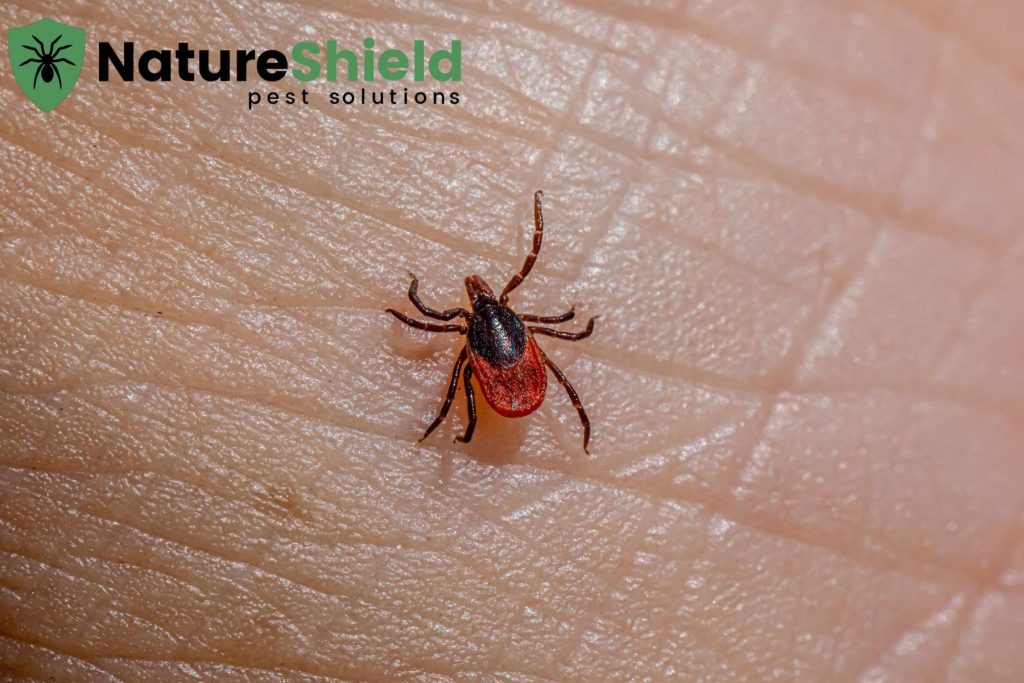
The most common ticks in Springfield, such as the black-legged tick (also known as the deer tick) and the American dog tick, can live for a few weeks to several months without a host, depending on the environmental conditions.
- Black-legged ticks (which transmit Lyme disease) can survive without feeding for about 2 to 3 weeks, but they may live longer in cooler, humid environments. These ticks are most commonly found in wooded areas such as Nathanael Greene Park or the Springfield Conservation Nature Center, where the climate is more conducive to their survival.
- American dog ticks, on the other hand, may live up to 3 months without feeding, especially if they find a cool, shaded environment, such as the underbrush found around Phelps Grove Park or along Springfield’s suburban trails.
Ticks can survive longer in areas that provide shelter from the sun and wind, such as under fallen leaves, tall grass, or forest floors. These habitats offer not only humidity but also protection from the elements, allowing ticks to live without feeding for extended periods. Springfield’s climate, especially its humid, warm summers, helps ticks survive much longer than in drier areas.
What Affects Tick Lifespan in Springfield?
A few key factors influence how long do ticks live without feeding in Springfield, MO:
- Temperature: Ticks are cold-blooded, meaning their survival depends on external temperature. In Springfield, ticks are most active during the warmer months. However, extreme heat or cold can reduce their lifespan. While ticks can’t survive freezing temperatures, they can remain dormant in the winter months, waiting for warmer weather to become active again.
- Humidity: Ticks are very sensitive to moisture, and high humidity levels are essential for their survival. Springfield’s humidity, especially during spring and summer, helps ticks stay hydrated, which extends their life span.
Do Ticks Live Longer on Pets or in the Grass in Springfield’s Suburbs?
Ticks can survive for different lengths of time, depending on their location, whether on a host (like your pet) or waiting in the grass for a passing animal to latch onto. In the suburbs of Springfield, you may find ticks in both environments: on your pets and in your backyard grass. So, which environment allows ticks to live longer?
Understanding this difference is essential for effective pest control in Springfield, MO, as it helps you target where ticks are most likely to survive and reproduce.
Ticks in the Grass vs. On Pets
Ticks in grassy areas or brush will wait patiently for a host to come by. These ticks can survive for several weeks or months without a blood meal, especially in shaded, humid areas. Ticks often reside in places like the Rountree District, where tall grasses, bushes, and overgrown yards create an ideal habitat for them to wait for a passing host. In suburban neighborhoods around Springfield, areas like Willard or Battlefield may also harbor ticks looking to latch onto pets or humans passing by.
In contrast, ticks that attach to pets have a consistent food source and will live longer while feeding. For example, a tick on a dog or cat can survive for several days to a week while feeding. In neighborhoods like South Glenstone or East Sunshine, where pets roam the backyard or go on walks through parks, ticks are more likely to stay attached and feed until they’re full. However, it’s essential to remove ticks promptly from pets, as they can transmit diseases like Lyme disease, Rocky Mountain spotted fever, and Anaplasmosis.
Ticks on Pets: Longer Lifespan with a Steady Food Source
Ticks on pets, especially dogs, thrive because they have a constant food supply, which allows them to live longer than they would in the grass. Pets often attract ticks in suburban areas with large lawns, like those in Springfield or near Phelps Grove Park. Regularly checking your pets for ticks, applying preventive treatments, and using tick collars can help prevent ticks from staying attached and transmitting diseases.
Ticks in the Grass: Shorter Lifespan, Waiting for a Host
Ticks that remain in grassy areas have to wait for a host to walk by before they can latch on. While this may sound like a disadvantage, these ticks have their own survival strategies. They often use a technique called questing, in which they climb to the tips of grass or shrubs and stretch out their legs to grab onto a passing host. These ticks typically survive a few weeks to a couple of months, but once they find a host, they will stay attached until they’ve fed enough to drop off and continue their life cycle.
What’s the Lifespan of Ticks That Latch onto Livestock in Rural Areas Surrounding Springfield?
In rural Springfield and surrounding areas, such as Strafford and Rogersville, livestock owners face a unique challenge with ticks. Animals such as cattle, horses, and sheep provide a consistent food source for ticks, allowing them to survive much longer than they would in the wild or in suburban areas.
Ticks on Livestock: A Steady Food Source
Ticks on livestock can survive for several weeks to months, depending on whether they have access to a steady food source. These ticks, often brown dog ticks or American dog ticks, latch onto livestock and stay attached for extended periods, feeding and growing.
Because livestock are typically kept in pastures or open fields, they provide ticks with a consistent supply of blood meals. Farmers and ranchers in Springfield’s rural areas need to be vigilant about regularly checking their animals for ticks and applying preventive treatments. The longer ticks are left on livestock, the greater the risk of tick-borne diseases, such as babesiosis, anaplasmosis, and tick paralysis.
Managing Ticks on Livestock: Tips for Rural Springfield Farmers
For those living in rural Springfield, tick management on livestock is essential for preventing infestations. Using topical treatments, sprays, and tick collars can help reduce the tick population on livestock. Additionally, creating tick-free zones by maintaining well-groomed pastures or using fencing to limit access to tick-infested areas can be an effective strategy for protecting your animals.
Protecting Yourself, Your Pets, and Livestock from Ticks in Springfield
Whether you live in the city or out in the country, taking proactive measures to protect yourself and your pets from ticks is essential. In Springfield, ticks are common in wooded areas, grassy fields, and even suburban backyards. Here are a few ways you can reduce your exposure to ticks, and when needed, consider working with an exterminator in Springfield, MO for professional support:
How to Protect Your Family from Ticks in Springfield
When venturing outside, wear long sleeves and pants to minimize exposed skin. Use tick repellents containing DEET and permethrin on your clothes. After spending time outside, thoroughly check yourself and your children for ticks, particularly around the scalp, armpits, and groin.
Tick Prevention Tips for Pets in Springfield
Regularly check your pets for ticks, especially if they spend time outdoors in parks or your backyard. Use tick prevention products, such as topical treatments, oral medications, or tick collars, to protect your pets from ticks. If you find a tick on your pet, remove it promptly and clean the area with an antiseptic.
Livestock Tick Control Strategies in Rural Springfield
For livestock owners in rural Springfield, it’s crucial to regularly inspect your animals for ticks, especially during peak tick season in spring and summer. Using tick dips or sprays and rotating grazing areas to avoid tick-infested regions can help protect your animals. Working with a local pest control company in Springfield can also provide valuable insights and services to keep your livestock tick-free.
FAQs
1. How long can a tick live without a host?
Ticks can live anywhere from a few weeks to several months without a host, depending on humidity and temperature.
2. How long can ticks live without a host in outdoor areas?
In shaded, humid environments, ticks can survive longer, often waiting weeks or months for a host to pass by.
3. How long do ticks live without a host compared to on pets?
Ticks live longer on pets because they have a steady food source, while those without a host rely on stored energy.
4. How long can ticks survive without a host in colder seasons?
Ticks may become inactive in cold weather but can still survive by going dormant until conditions improve.
5. How long to ticks live overall?
Ticks can live for several months to years throughout their lifecycle, especially if they successfully find hosts at each stage.
Conclusion: Understanding Tick Lifespan for Better Prevention
Ticks are a persistent problem, but understanding how long they can survive without a host and where they are most likely to be found can help you take the right precautions. Whether you’re spending time outdoors in one of Springfield’s beautiful parks or managing livestock on a farm, knowing how long ticks survive and thrive in the local environment is key to protecting yourself, your pets, and your animals. Additionally, knowing what eats ticks can help reduce their population naturally. Some natural predators, such as birds, certain types of spiders, and small mammals, can help keep tick numbers under control in your yard or outdoor areas. Nature Shield Pest Solutions is here to help with effective, eco-friendly pest control strategies to keep your property protected year-round.
Ready for a free quote? Contact us today! Our local pest control experts can help protect your home, yard, and pets from ticks and other pests, ensuring a safer, tick-free environment for you and your family.
Testimonial
“Nature Shield Pest Solutions did an excellent job! Logan Smith was professional, friendly, and very thorough. He explained everything clearly and made the process easy. The products are safe and effective, and the service was prompt and reliable. Highly recommend!”