Why Do Moths Keep Coming Back Even After I Clean My Closets and Pantry
Moths keep coming back because standard cleaning only removes the visible adult insects while leaving behind their microscopic, sticky eggs and resilient larvae hidden deep inside dark cracks, drawer seams, and food packaging folds. Without targeted biological interventions to disrupt their entire breeding cycle, these hidden survivors hatch weeks later to trigger a brand-new infestation. This survival strategy makes a simple vacuuming job insufficient for long-term control.
Finding tiny, fluttering insects inside your home is a major source of frustration. Many property owners spend hours wiping down kitchen cabinets, vacuuming carpet edges, and washing delicate clothing, only to find another moth flying around their closet just a few weeks later. This cycle of endless cleaning and recurring pests leaves many people wondering if they will ever truly resolve the issue.
The Hidden Life Cycle: Why Surface Cleaning Fails
The issue is not your housekeeping standards; rather, it is a mismatch between basic cleaning methods and the complex biology of these resilient insects. During a routine basement inspection for a family home, our team discovered that standard surface wiping had completely missed the microscopic egg clusters tucked behind the wall paneling. When dealing with persistent issues, seeking professional McBaine pest control helps isolate the structural voids where these pests lay their microscopic eggs.
To permanently eliminate a moth problem, you must look beyond the adult insects fluttering around your light fixtures. The real damage to your wool sweaters and dry pantry goods is caused entirely by the destructive larval stage of their development.
- The Egg Stage: Adult females lay up to 400 microscopic, sticky eggs in dark, undisturbed areas. These eggs easily cling to fabric fibers, drawer corners, and the seams of cardboard food boxes, making them virtually invisible to the naked eye.
- The Larva Stage: Once hatched, the hungry larvae feed continuously on keratin (found in wool, silk, hair, and feathers) or dry grains, spinning protective webbing tunnels as they ruin your property.
- The Pupa Stage: Larvae spin hidden cocoons in hard-to-reach structural crevices, baseboard gaps, or behind pantry shelves. This protective shell insulates them from basic household cleaning sprays.
- The Adult Stage: The winged insects emerge solely to mate and lay more eggs. Because adult moths do not have mouthparts and cannot eat, killing them does nothing to protect your fabrics or food from the next generation.
During a recent home audit for a resident in McBaine, our team tracked down dozens of pupae wedged deep inside the peg holes of adjustable shelving, proving why targeted treatments are necessary. This level of thorough inspection is why working with trained, professional exterminators in McBaine, MO is crucial for uncovering hidden breeding reservoirs.
Pantry Moths vs. Clothes Moths: Core Identification Differences
Treating an infestation requires knowing exactly which species has invaded your home, as their dietary needs and nesting habits require completely different management strategies. Treating a kitchen pest with a closet remedy will yield zero results.
Species Comparison Matrix
| Identification Feature | Pantry Moths (Indian Meal Moths) | Clothes Moths (Webbing / Casemaking) |
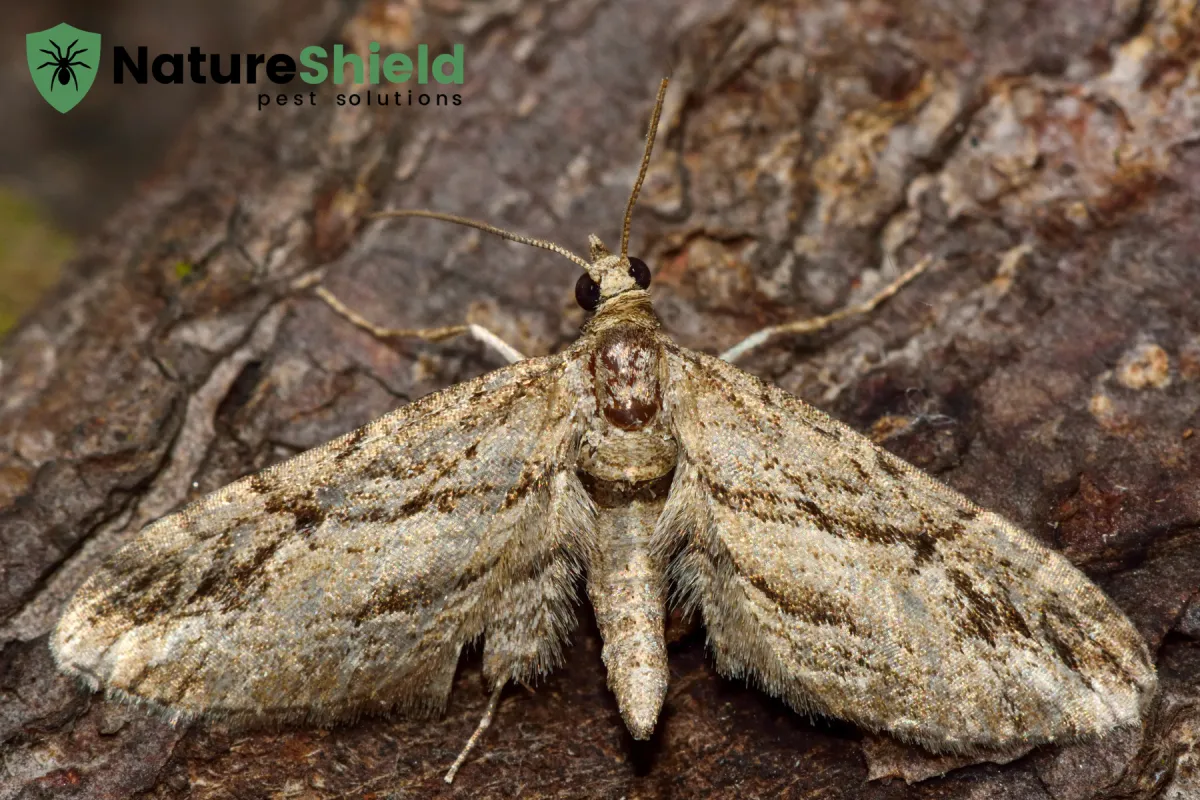
| Physical Appearance | Reddish-brown and gray copper-tipped wings (5/8-inch wingspan) | Solid buff, gold, or straw-colored body (1/2-inch wingspan) |
| Primary Food Source | Flour, grains, cereal, nuts, dried fruit, and pet food | Wool, silk, cashmere, feathers, leather, and upholstery |
| Key Signs of Infestation | Clumpy webbing in food containers, small white worms on ceilings | Irregular holes in natural fabrics, silky tubes attached to carpets |
| Preferred Nesting Zones | Inside cardboard packaging, cabinet joints, and wall corners | Dark, undisturbed closets, storage chests, and behind baseboards |
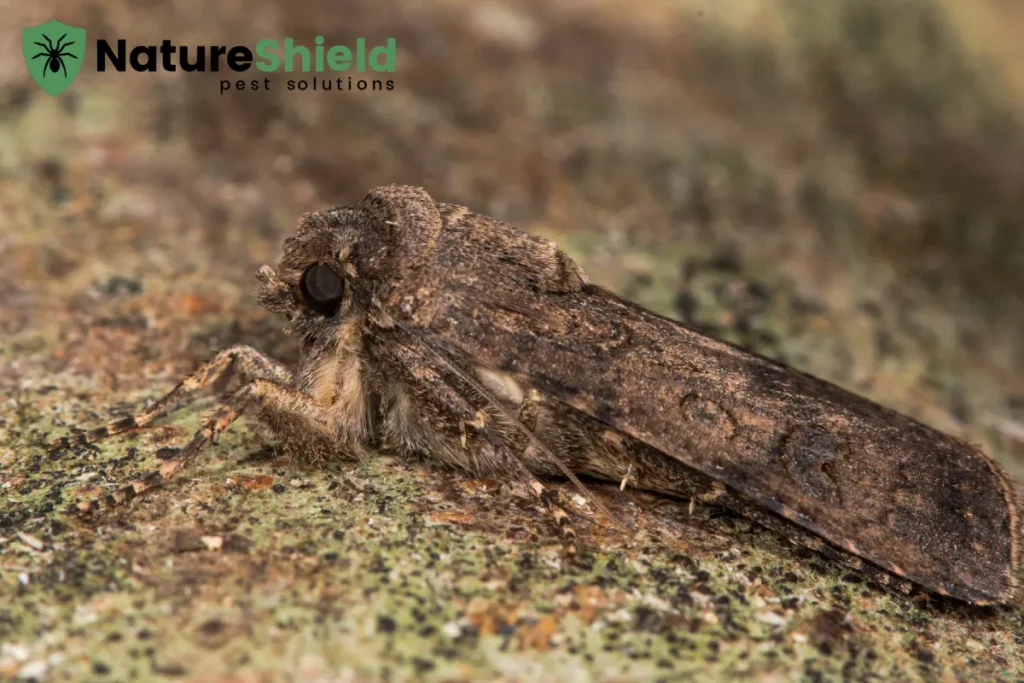
If you notice copper-winged insects in your kitchen, you are dealing with pantry pests. However, if you see gold-colored flyers in your bedroom, your winter clothes are at risk. If you live in McBaine, high humidity levels during the summer months can make both types of infestations progress much faster than usual. Finding a specialized exterminator in McBaine, MO who can tell these species apart ensures you apply the correct treatment in the right areas.
Debunking the Myth: “Mothballs are the Safest and Best Way to Protect Your Belongings”
Many homeowners rely on old-fashioned mothballs to safeguard their seasonal wardrobes, believing these strong-smelling pellets are a safe, natural deterrent.
The Reality: Mothballs are composed of concentrated chemical pesticides like naphthalene or paradichlorobenzene. These chemicals sublimate into a heavy, toxic gas that is harmful to humans, children, and pets when inhaled over long periods. Furthermore, mothballs only work as a deterrent in completely sealed, airtight containers; placing them in a standard open closet will not kill existing, highly resilient larvae and only leaves your clothes smelling like harsh chemical residues.
Applying our Specialized Systems to Secure Your Property
At Nature Shield Pest Solutions, we avoid generic over-the-counter treatments and focus on long-term structural security. We customize our treatments to match the unique layout of your property, ensuring every pest is handled safely and responsibly.
Latest pest control methods
Our technicians utilize advanced biological pheromone traps, targeted structural dusts, and non-toxic thermal applications that disrupt the reproductive cycles of pests.
100% safe and effective solutions
We implement family- and pet-safe products designed to neutralize insects without introducing toxic chemical residues into your living spaces.
Affordable prices
We believe premium home protection should be accessible to everyone, which is why we offer fair, transparent pricing plans with no hidden fees or unnecessary upsells.
5-star service
Our certified team is committed to punctuality, clear communication, and personalized property care to ensure you feel completely secure through every step of the process.
People Also Ask
Does washing my clothes in hot water kill moth eggs and larvae?
Yes. Washing contaminated clothing in water that is at least 120°F (49°C) for 20 to 30 minutes, or running them through a high-heat dryer cycle, will effectively kill all stages of moth life. For delicate items like cashmere and wool that cannot handle hot water, sealing them in a plastic bag and placing them in a deep freezer for 72 hours is an equally effective alternative.
Why do pantry moths keep appearing inside sealed plastic bags?
Pantry moth larvae have incredibly strong chewing mouthparts and can easily bore through thin plastic bags, cardboard boxes, and paper packaging to reach food. To prevent this, all dried goods should be transferred immediately into rigid glass, heavy-duty metal, or thick BPA-free plastic containers with airtight seals.
How long can moth cocoons stay dormant before they hatch?
Depending on the ambient temperature and humidity of your home, a moth pupa can remain dormant inside its protective cocoon for anywhere from several weeks to over two years. This long dormancy period is the primary reason infestations seem to suddenly reappear long after you thought you cleaned the area completely.
Conclusion & Next Steps
If you are tired of washing clothes and wiping down shelves only to see pests return season after season, it is time to look beyond surface-level cleaning. Permanently reclaiming your home requires a systematic approach that neutralizes the invisible egg and larval populations hiding in the dark. During a recent audit for a property near McBaine, our team successfully identified a hidden colony nesting within a decorative wool tapestry, resolving the issue completely with specialized temperature treatments.
As a professional and reliable pest control company, Nature Shield Pest Solutions is committed to providing effective, tailored solutions for each customer. Our core belief is delivering high-quality, safe, and responsible pest control that keeps your home secure while minimizing environmental impact. Our team’s wealth of experience and commitment to customer satisfaction ensures guaranteed results. If pests persist, our technicians will return at no additional charge to handle the issue.
Reclaim Your Closets and Pantry Today
Do not let a minor pest issue turn into a stressful, expensive headache. Contact us today to request your free inspection or book a guaranteed service.