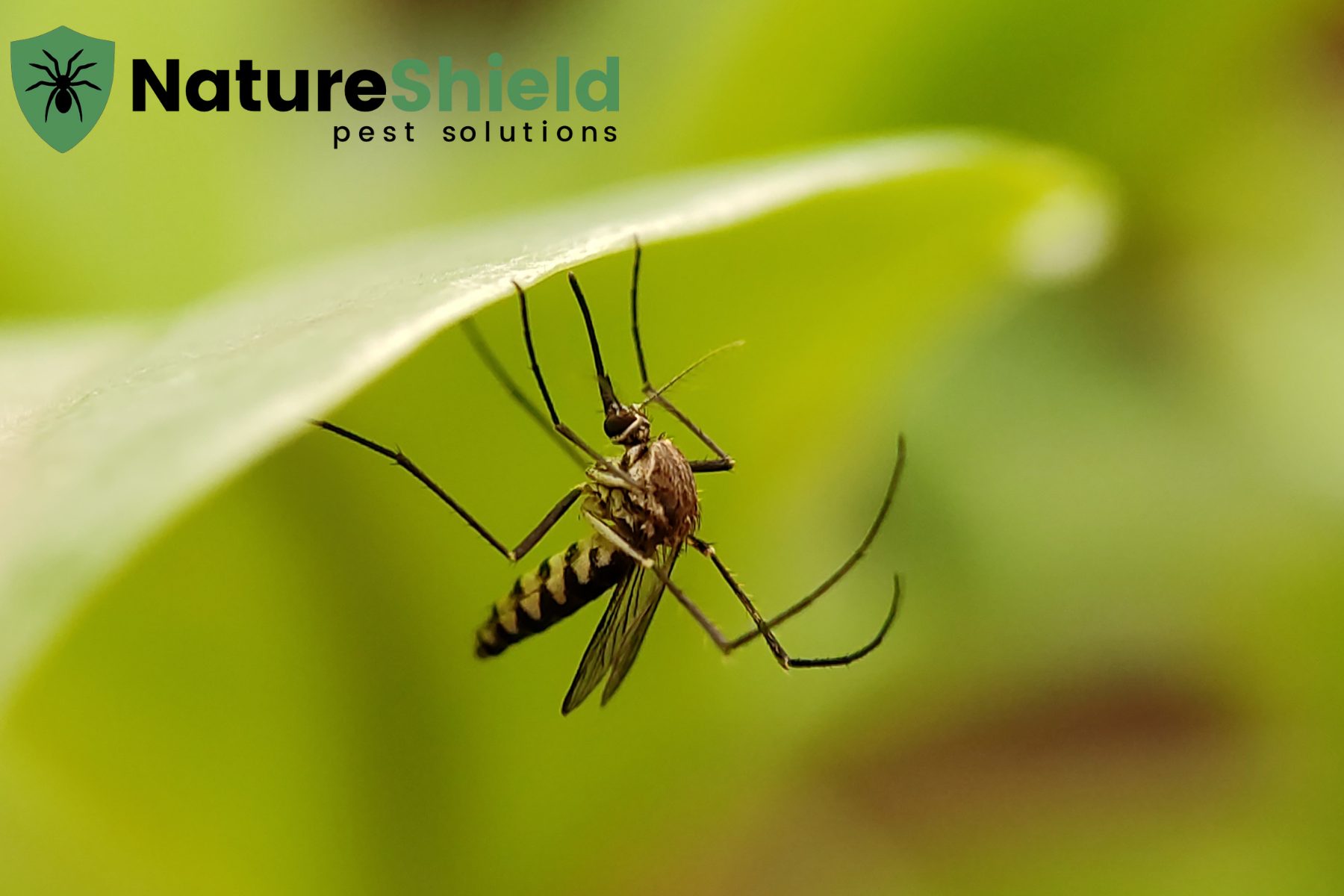
Mosquitoes can be difficult to control because the best solution depends on where they are active and what you want to accomplish. Some products kill adult mosquitoes, others target larvae before they become biting adults, and some simply help prevent bites. Choosing the right mosquito killer means understanding how each method works, where it is most useful, and what limitations to expect.
What Is the Best Mosquito Killer for Your Situation?
There is no single mosquito killer that works best for every property. The right option depends on whether mosquitoes are gathering around outdoor living areas, entering your home, or breeding in standing water.
For example, an outdoor adulticide may help reduce adult mosquitoes in areas where they rest, while a larvicide targets developing mosquitoes in suitable water sources. Traps can capture adult mosquitoes, and personal repellents help reduce bites without eliminating the surrounding population.
Before choosing a product, consider these three questions:
- Where are mosquitoes appearing? Determine whether the activity is concentrated indoors, around a patio, near vegetation, or close to standing water.
- What do you want to control? Decide whether your priority is killing adult mosquitoes, reducing future mosquito development, or protecting people from bites.
- What conditions are contributing to the problem? Look for water-holding containers, clogged gutters, damp areas, and shaded outdoor spaces where mosquitoes may rest.
Understanding these factors can help you choose a method that addresses the actual problem instead of relying on a product that only provides temporary relief.
Which Mosquito Control Methods Actually Work?
Different mosquito control products serve different purposes. Some target adult mosquitoes, while others interrupt their development or help protect people from bites. Understanding these differences makes it easier to select an appropriate option.
1. Mosquito Traps: Capturing Adult Mosquitoes
Mosquito traps are designed to attract and capture adult mosquitoes. Depending on the model, they may use carbon dioxide, heat, light, or other attractants to draw mosquitoes toward a collection mechanism.
When are mosquito traps useful?
Traps may be worth considering when:
- You want to capture adult mosquitoes in a specific outdoor area.
- You prefer a mechanical capture method.
- You want to supplement other mosquito prevention measures.
Limitations to consider:
A trap does not automatically eliminate mosquitoes across an entire yard. Its effectiveness depends on the trap design, placement, maintenance, and mosquito species present. Mosquitoes may continue entering the property or emerging from nearby breeding sources.
Place traps according to the manufacturer’s instructions and avoid assuming that one device will solve a widespread mosquito problem.
2. Outdoor Adulticides and Foggers: Killing Adult Mosquitoes
Adulticides are products designed to kill adult mosquitoes. They may be available as outdoor treatments, aerosols, or fogging products, depending on the intended application.
These products can provide a more immediate reduction in adult mosquito activity when applied to appropriate areas. Mosquitoes often rest in shaded, humid locations, including dense vegetation, underneath decks, and around outdoor structures.
When are adulticides useful?
They may be appropriate when:
- Adult mosquitoes are already active around outdoor spaces.
- Mosquitoes are resting in accessible areas identified for treatment.
- A targeted reduction in adult mosquito activity is needed.
Limitations to consider:
Adulticides do not necessarily eliminate mosquito eggs or larvae. Their effects may also be temporary, particularly when breeding sources remain available or mosquitoes enter from surrounding areas.
Foggers and other adult-killing products should never be treated as a substitute for identifying and addressing mosquito breeding sites. Always follow the product label, including application instructions and precautions for people, pets, plants, and outdoor surfaces.
3. Larvicides: Targeting Mosquitoes Before They Become Adults
Larvicides are designed to kill mosquito larvae and, depending on the product, other immature mosquito stages in water. They can be useful when standing water cannot reasonably be emptied, removed, or covered.
Some larvicide products are available as dunks, tablets, bits, or granules. Certain formulations contain Bacillus thuringiensis israelensis (Bti), an active ingredient used to target mosquito larvae.
When are larvicides useful?
They may be appropriate for suitable water sources such as:
- Water-holding containers that cannot be emptied.
- Certain fountains and water features.
- Other permitted standing-water locations identified on the product label.
Limitations to consider:
Larvicides do not kill adult mosquitoes flying around your yard. They must reach an appropriate breeding source and be used according to the product’s directions.
Do not assume every body of water should be treated. Check the label to confirm whether the product is appropriate for that specific water source, especially if the water is used for drinking, irrigation, or other household purposes.
4. Personal Mosquito Repellents: Reducing Bites
Personal repellents help reduce the likelihood of mosquito bites when spending time outdoors. Unlike adulticides, repellents are intended to protect the person using them rather than eliminate mosquitoes from the property.
Some EPA-registered repellents contain active ingredients such as DEET or picaridin. These products are evaluated for their intended use and effectiveness when applied according to label directions.
When are personal repellents useful?
Consider them when:
- Spending time outdoors during periods of mosquito activity.
- Gardening, walking, camping, or participating in outdoor activities.
- Additional protection is needed while other mosquito control measures are being addressed.
Limitations to consider:
Repellents do not kill mosquito populations or eliminate breeding areas. They also need to be reapplied according to their product instructions.
Do not confuse personal repellents with yard treatments. They serve different purposes and should be selected based on whether you want to prevent bites or reduce mosquito activity around your property.
5. Indoor Mosquito Control: Preventing Entry and Addressing Indoor Activity
If mosquitoes are appearing inside your home, outdoor treatments alone may not address the immediate problem. Mosquitoes can enter through damaged screens, open doors, and other gaps.
Start by inspecting window and door screens, repairing holes, and keeping doors closed when practical. Also check indoor containers that may hold water, including plant saucers and vases.
If mosquitoes remain indoors, an appropriately labeled indoor product may be considered. Some indoor insecticides and foggers kill adult mosquitoes and treat areas where they rest, but they may need to be reapplied according to the label.
Limitations to consider:
Indoor products do not prevent mosquitoes from entering again. They also do not address outdoor breeding sources that may be contributing to recurring activity.
Use only products labeled for the intended indoor application. Follow all directions regarding food, surfaces, ventilation, and re-entry.
Which Mosquito Killer Is Best for a Yard, Patio, or Indoor Space?
The best option changes depending on where mosquitoes are causing problems. Use the following comparison as a starting point rather than treating any product as a universal solution.
| Location or problem | Method to consider | What it does | Main limitation |
|---|---|---|---|
| Outdoor resting areas | Adulticide | Kills adult mosquitoes in treated areas | Does not eliminate larvae or eggs |
| Suitable standing water | Larvicide | Targets developing mosquitoes | Must be used in an appropriate water source |
| Specific outdoor areas | Mosquito trap | Captures adult mosquitoes | May not control a large population |
| Outdoor activities | Personal repellent | Helps prevent bites | Does not eliminate mosquitoes |
| Indoor mosquito activity | Screens and labeled indoor products | Reduces entry and addresses indoor adults | Does not resolve outdoor breeding sources |
What Is the Best Option for a Yard?
For a yard with recurring mosquito activity, start by checking for standing water and shaded resting areas. Remove water-holding containers where possible, maintain drainage, and address suitable breeding sources.
If adult mosquitoes remain active, an appropriately selected outdoor adulticide or trap may help reduce their numbers. The best choice depends on the property’s conditions and the extent of the activity.
What Is the Best Option for a Patio?
Patios and outdoor seating areas can attract mosquitoes when nearby vegetation, moisture, and resting locations provide suitable conditions.
Consider repairing screens, removing water-holding items, and maintaining nearby vegetation. A properly placed trap or an appropriate targeted treatment may also help, depending on the mosquito activity and product instructions.
What Is the Best Option for Indoor Mosquitoes?
For indoor activity, inspect screens, doors, and possible entry points first. Remove water from indoor containers and check areas such as bathrooms, laundry spaces, and closets where mosquitoes may rest.
If mosquitoes continue appearing, consider an indoor product specifically labeled for that use or seek professional guidance.
Why Killing Adult Mosquitoes May Not Solve the Problem
Seeing fewer mosquitoes immediately after treatment does not always mean the underlying problem has been resolved.
Mosquitoes develop through several life stages: egg, larva, pupa, and adult. The immature stages develop in water, while adult mosquitoes emerge and move through the surrounding environment.
This is why focusing only on visible adult mosquitoes can leave other sources of activity untouched.
Unaddressed Breeding Sources
Mosquitoes can lay eggs in or near water, depending on the species. Common water-holding locations around homes include:
- Buckets, tires, and unused containers.
- Flowerpot saucers and planters.
- Birdbaths and decorative water features.
- Clogged gutters and downspouts.
- Pool covers that collect rainwater.
- Unmaintained pools and other water-holding structures.
Even small containers can become relevant breeding locations. Inspect these areas regularly and empty, scrub, cover, or remove items that collect water when possible.
Mosquitoes Entering From Nearby Areas
Not every mosquito on a property necessarily developed there. Adult mosquitoes may move in from neighboring properties or other nearby environments.
For this reason, treating one area may not prevent additional mosquitoes from appearing. Reducing local breeding opportunities and addressing resting areas can help, but surrounding conditions may also influence mosquito activity.
Incomplete or Inappropriate Product Selection
A product may not deliver the expected results if it is used for the wrong purpose.
For example, a personal repellent may prevent bites but will not eliminate mosquitoes around the yard. Similarly, an adulticide may kill adult mosquitoes without affecting larvae developing in standing water.
Choosing a method based on the mosquito life stage and location is essential to making control efforts more effective.
How to Choose a Mosquito Killer Safely
Effectiveness is important, but product safety and proper application should also influence your decision. Before using any mosquito control product, review its label and confirm that it is suitable for the intended location.
Consider the following precautions:
- Read the entire product label: Check the intended application, directions, restrictions, and required precautions.
- Consider children and pets: Follow instructions about keeping people and animals away from treated areas and when they can safely return.
- Protect food and water sources: Do not apply products near food, drinking water, or other restricted areas unless the label specifically permits the application.
- Consider beneficial insects: Avoid applying outdoor adulticides to blooming plants or areas visited by bees and other pollinators when prohibited by the product directions.
- Use the correct amount: Applying more product than directed does not necessarily improve results and may increase exposure risks.
- Avoid mixing products: Do not combine mosquito control products unless their labels specifically permit it.
Natural products should not automatically be considered safer than conventional options. Their suitability and effectiveness depend on the ingredients, formulation, application, and intended use.
What Can You Do When DIY Mosquito Control Is Not Working?
If mosquitoes continue appearing after you’ve tried several control methods, avoid repeatedly applying different products without identifying the source.
Instead, review the conditions around your property and determine whether your current approach addresses the actual problem.
1. Check for Standing Water Again
Inspect the property after rainfall and look for containers or low areas that may collect water. Pay particular attention to gutters, plant saucers, unused equipment, and outdoor items that are easy to overlook.
2. Identify Where Mosquitoes Are Most Active
Notice whether mosquitoes are concentrated near vegetation, outdoor seating areas, entryways, or indoor spaces. Their activity patterns can help narrow down which areas need attention.
3. Review Your Previous Control Method
Consider whether the product was designed to kill adult mosquitoes, control larvae, capture mosquitoes, or prevent bites. Check whether it was used according to the label and whether the conditions required for its use were present.
4. Address Entry Points and Resting Areas
Repair damaged screens, keep doors closed when practical, and maintain shaded outdoor areas. These steps can reduce opportunities for mosquitoes to enter or rest around the home.
5. Avoid Unnecessary Repeat Applications
Applying more product or using several products at once may not solve the underlying problem. Follow label restrictions and seek qualified guidance when the correct treatment approach is unclear.
When Should You Consider Professional Mosquito Control?
Professional help may be useful when mosquito activity continues despite regular property maintenance, breeding sources are difficult to identify, or the affected area is too extensive to manage effectively on your own.
A professional assessment should focus on the conditions contributing to mosquito activity rather than automatically recommending the same treatment for every property.
The assessment may consider:
- Areas where standing water collects.
- Potential mosquito breeding sources.
- Shaded and humid locations where adult mosquitoes rest.
- Drainage conditions and water-holding structures.
- Entry points that allow mosquitoes indoors.
- Previous control efforts and the results they produced.
The findings can help determine whether source reduction, larval control, adult mosquito treatment, or a combination of appropriate measures is worth considering.
For homeowners researching pest control in Columbia, MO, it is helpful to ask how a provider identifies mosquito activity and determines which areas need attention. A good recommendation should explain the reason for the proposed approach instead of relying on a one-size-fits-all treatment.
When comparing pest control in Columbia, look for clear explanations of product selection, application precautions, and any property maintenance steps that should continue after treatment.
Nature Shield Pest Solutions can help homeowners explore local pest management options. Those comparing Columbia, MO pest control providers should prioritize an approach that considers the property’s actual conditions and the source of recurring mosquito activity.
Frequently Asked Questions
1. What is the most effective mosquito killer for a yard?
The most appropriate method depends on the source of mosquito activity. Adulticides target adult mosquitoes, while larvicides address developing mosquitoes in suitable water sources. Removing standing water is also an important part of reducing breeding opportunities.
2. Are mosquito traps or foggers more effective?
They serve different purposes. Traps capture adult mosquitoes, while foggers use an insecticide to kill adult mosquitoes in the treated area. Their effectiveness depends on the product, placement, application, and conditions around the property.
3. Do mosquito larvicides kill adult mosquitoes?
No. Larvicides target immature mosquito stages, such as larvae, before they develop into biting adults. They do not eliminate adult mosquitoes already flying around your property.
4. What is the difference between mosquito repellent and mosquito killer?
Mosquito repellents help prevent mosquitoes from biting people, while mosquito killers are intended to kill or capture mosquitoes. A repellent protects the person using it but does not eliminate the surrounding mosquito population.
5. Why do mosquitoes keep coming back after treatment?
Mosquitoes may return because breeding sources remain available, untreated areas continue supporting their development, or adult mosquitoes enter from surrounding properties. Treating visible adults alone may not address these contributing factors.
Conclusion: Choosing the Right Mosquito Control Method
The best mosquito killer is the one that addresses the source and type of mosquito activity affecting your property. Traps, adulticides, larvicides, and personal repellents each serve different purposes, and understanding their limitations can help you make a more informed decision. Nature Shield Pest Solutions encourages homeowners to choose appropriate mosquito control methods and maintain their properties to help reduce recurring mosquito activity.
Combining appropriate control methods with regular property maintenance can help reduce mosquito activity and make outdoor spaces more comfortable.
Need Help With Persistent Mosquito Activity?
If mosquitoes continue affecting your yard or home despite your prevention efforts, Nature Shield Pest Solutions can help you explore appropriate pest management options. Contact the team to discuss your concerns and request a quote.
LEARN MORE HERE:
Do Mosquitoes Bite Dogs? How to Protect Your Pet