
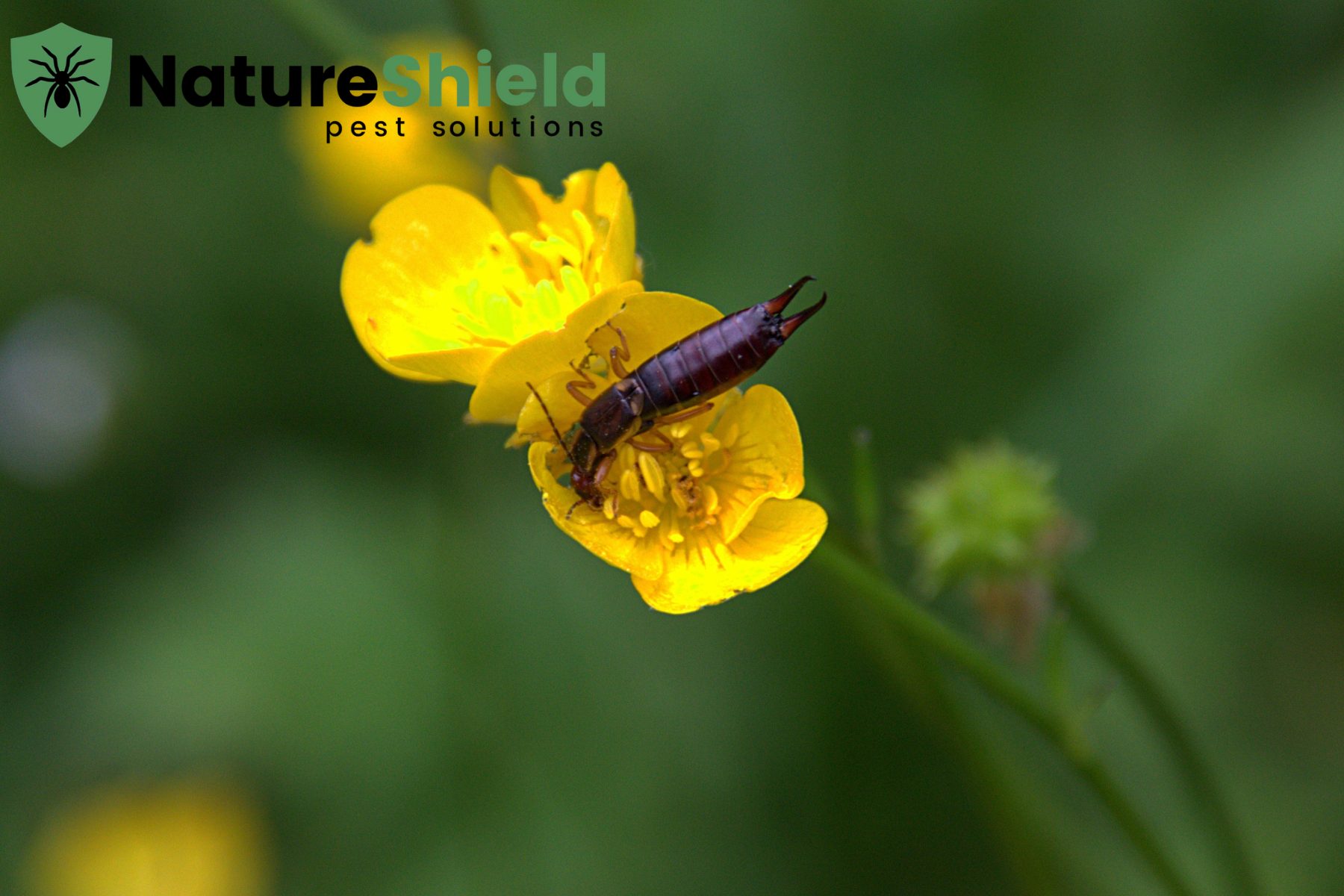
What Do Earwigs Eat in Your Backyard and How to Protect Your Garden from Them
Earwigs are a common garden pest in areas like Fulton, MO, and beyond. While they’re often harmless to humans, earwigs can do significant damage to your plants if left unchecked. In this blog post, we’ll answer the burning question: What do earwigs eat in your backyard, and how can you protect your garden from them? We’ll also explore how earwigs behave in your home, what plants they target, and share easy, effective tips for controlling their population.
What Do Earwigs Eat in Your Fulton Backyard?
Earwigs are opportunistic feeders, meaning they’ll eat a wide variety of things depending on what’s available in their environment. In your Fulton backyard, earwigs are particularly drawn to moist, shaded areas filled with decaying plant matter. Here’s what they typically eat:
- Decaying plant matter: Dead leaves, rotting wood, and decomposing roots are a feast for earwigs. They thrive in areas where organic matter breaks down.
- Tender plants: Earwigs love soft, young plants like lettuce, spinach, and other leafy greens. They will also munch on flowers and seedlings if given the chance.
- Mulch and garden debris: Organic mulch, like wood chips, can provide a hidden home and a food source for earwigs. When they find shelter in your garden debris, they often feast on it, especially if it’s damp and decomposing.
Earwigs are attracted to foods rich in moisture and nutrients, which they need to thrive. If you have earwigs in your backyard, they’re likely munching on soft, moist, and decaying matter. For effective earwig control near me, contact local experts today.
Are Earwigs Eating My Plants?
If you live in Fulton and have noticed earwigs in your garden, you might be wondering if they’re causing damage to your plants. The answer is yes, earwigs can cause visible harm to your plants, especially if the infestation is large. Here’s how to spot the damage:
Identifying Earwig Damage on Your Plants:
Earwigs are known for leaving distinct damage behind. If you notice small, irregular holes in your plant leaves or chewed stems, it’s likely that earwigs are the culprit. You may also see small, dark droppings near the damage, a telltale sign of earwig activity.
What Plants Are Most Vulnerable to Earwigs?
While earwigs will eat many different types of plants, soft, tender plants are particularly at risk. These include:
- Leafy greens like lettuce, spinach, and cabbage
- Young seedlings or newly planted flowers
- Soft-stemmed plants, including some flowers and herbs
If you live in the fertile soils, you might also be growing some of these plants in abundance, making your garden a prime target for earwigs.
How to Protect Your Garden from Earwigs in Fulton
Now that you know what earwigs eat and how they can damage your garden, it’s time to talk about how you can protect your plants. Here are some proven strategies to keep earwigs at bay in your Fulton backyard:
Best Preventative Measures to Keep Earwigs Away:
- Remove garden debris and mulch: Earwigs love to hide in decaying organic matter. By keeping your garden tidy and removing dead leaves and rotting plants, you’ll make it less attractive to earwigs.
- Create a dry, inhospitable environment: Earwigs thrive in moist conditions. Make sure to water your plants early in the day so the soil has time to dry out by nightfall. Avoid overwatering, which can create the perfect environment for earwigs to thrive.
- Use natural barriers: Consider sprinkling diatomaceous earth around your plants. It’s a natural, non-toxic solution that works by dehydrating earwigs and other pests. Alternatively, citrus peel traps can attract earwigs, trapping them for easy removal.
Organic and Safe Ways to Control Earwig Populations:
If you already have earwigs in your garden, there are safe, natural methods to help control them:
- Beneficial nematodes: These microscopic organisms are harmless to humans and pets but deadly to earwigs. By introducing them into your soil, you can reduce the earwig population without harming your plants.
- Natural predators: Birds, frogs, and certain types of toads love to eat earwigs. Encourage these natural predators into your garden by providing them with a welcoming environment (birdhouses, ponds, etc.).
- Homemade traps and baits: You can make simple traps using rolled-up newspaper or damp towels. Place them in shady areas overnight. Earwigs will seek shelter in the damp material, and you can dispose of them in the morning.
Do Earwigs Eat the Same Food in Your Garden and Home?
Earwigs behave differently when they’re in your garden compared to when they invade your home. While they’re primarily plant-eaters in your backyard, their diet changes once they make it inside.
Differences Between Earwig Diets in Your Garden vs. Your Home:
- In your garden: As mentioned, earwigs mainly feed on plant material, such as decaying leaves and soft, tender plants. They love moist, dark places.
- In your home: Earwigs will also feed on decaying organic matter found indoors. This might include rotting food, cardboard, and even damp, moldy areas in basements or bathrooms.
Why Earwigs Move Between Your Garden and Home:
Earwigs are drawn to your home when the weather becomes too hot or dry, or if their food sources in the garden become scarce. If you have cracks or gaps around doors, windows, or foundation walls, earwigs can easily find their way inside. Once they’re in, they’ll search for the same moist, decaying materials they enjoy in your garden.
Additional Tips for Preventing Earwigs in Both Your Garden and Home
Now that you know how to protect your garden, it’s important to also consider how to get rid of earwigs from making their way into your home:
Sealing Off Entry Points:
- Caulk cracks and gaps: Check around windows, doors, and your home’s foundation for gaps. Seal these areas to prevent earwigs from getting inside.
- Fix door seals: Ensure that weatherstripping is in good condition and that doors close tightly.
Creating an Unfriendly Environment Indoors:
- Reduce humidity: Earwigs love damp environments. Use a dehumidifier in areas like basements or bathrooms to reduce moisture.
- Remove organic matter: Keep food waste, damp towels, and cardboard stored properly to avoid attracting earwigs.
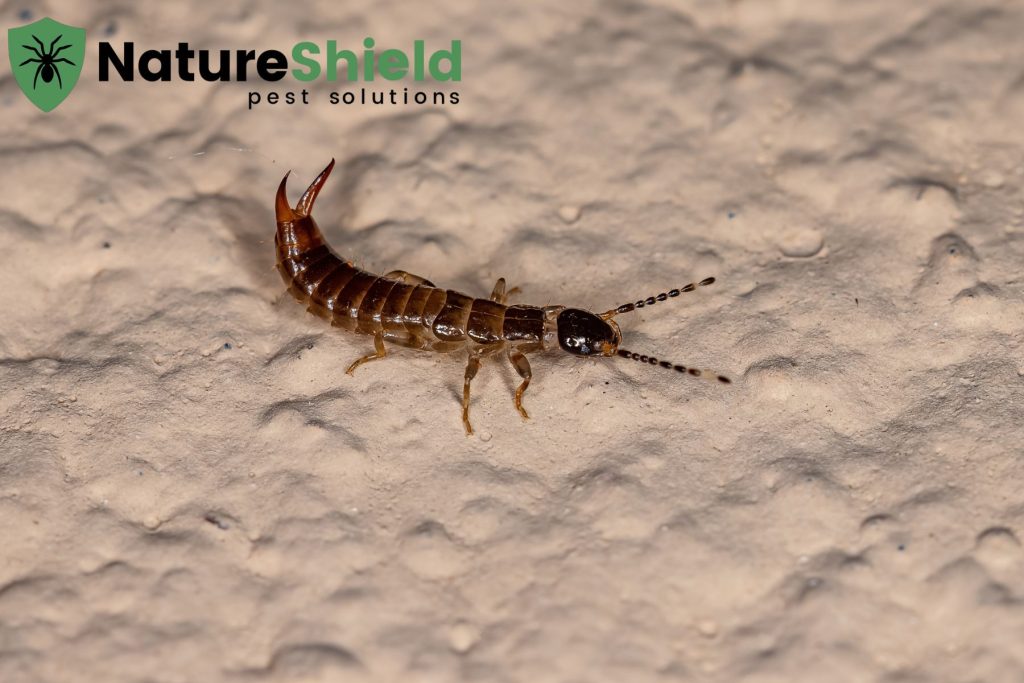
Conclusion: Keep Your Garden Safe from Earwigs and Other Pests
Earwigs can be a nuisance in your Fulton backyard, but with the right preventative measures, you can protect your garden from damage. By understanding what earwigs eat and where they hide, you can take proactive steps to eliminate them and create an environment that’s unwelcoming to these pests. Whether you live Fulton, or anywhere in between, following these tips and using effective pest control Fulton MO services will help you enjoy a healthy, thriving garden free from earwig damage.
Ready to protect your garden from earwigs? Contact us today for a free consultation, and we’ll provide you with a personalized solution to keep your plants safe and thriving with expert pest control Fulton and in the surrounding areas!