
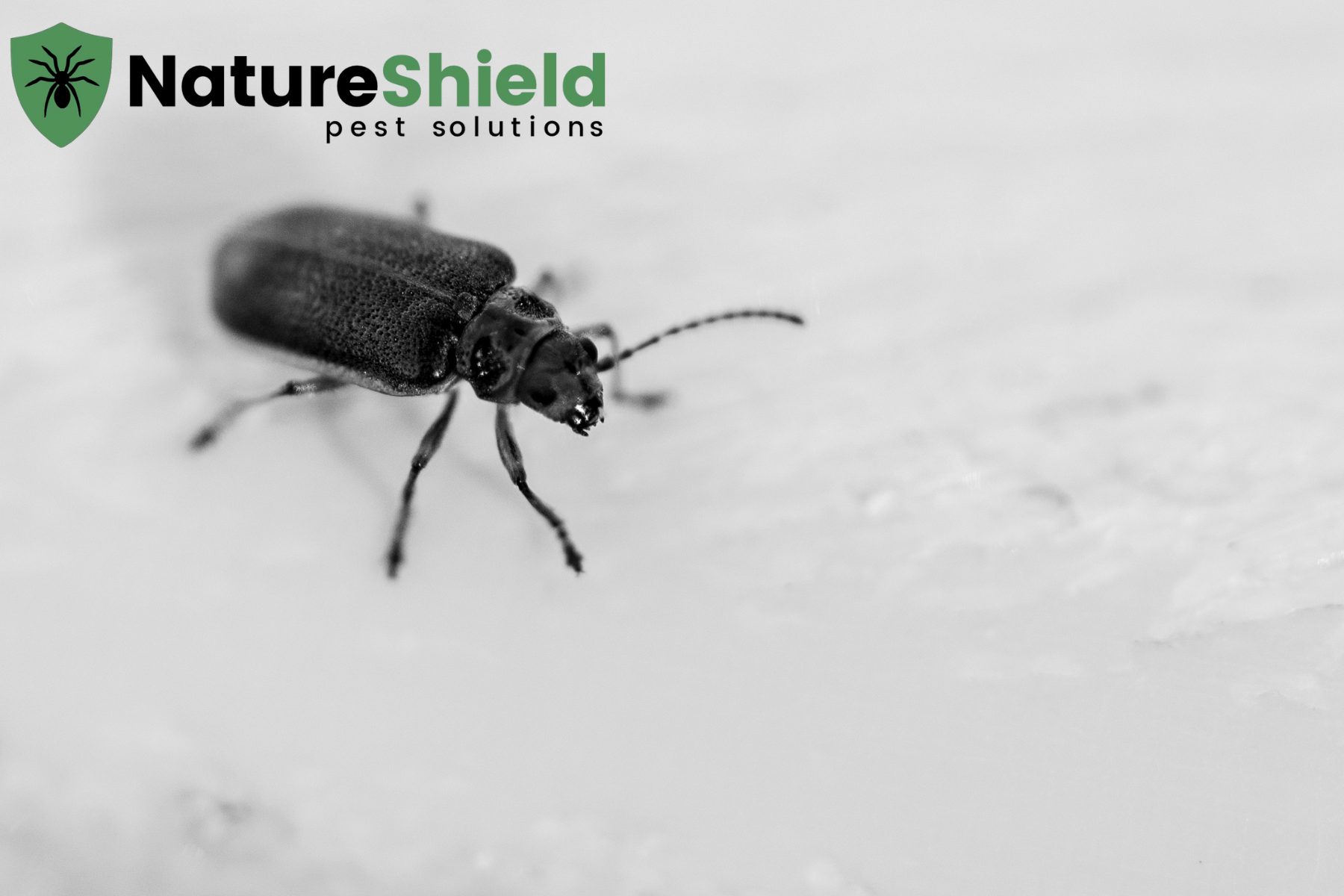
Tiny Black Bugs Invading Your Home? Here’s What They Are and How to Stop Them
Discovering tiny black bugs crawling around your home can be unsettling. These tiny pests may seem harmless at first, but many can cause significant problems if left unchecked. Identifying these bugs and understanding how to get rid of small black bugs in house is essential for protecting your home and your health. In this article, we’ll explore the most common types of tiny black bugs that might invade your home, how to identify them, and the best methods to stop them from taking over your living space.
What Are These Tiny Black Bugs?
There are several types of tiny black bugs that can invade your home. The good news is that not all of them are harmful, but it’s important to know which ones you’re dealing with so you can take the appropriate action. Here are some of the most common culprits:
1. Ants
Ants are among the most common tiny black bugs found in homes. They are usually attracted to food and water sources, making your kitchen and bathroom prime targets. Carpenter ants, sugar ants, and odorous house ants are just a few examples of ants that are commonly found indoors.
Ants are social insects that live in colonies. If you spot a few ants in your home, it’s likely that there are many more hiding out of sight. Ants can also cause damage to your property, especially carpenter ants, which hollow out wood to build their nests.
2. Bed Bugs
Although small, bed bugs are notorious for their ability to spread quickly. These pests are reddish-brown in color and can be as small as a grain of rice. Despite being called “bed bugs,” they don’t just live in beds; they can hide in cracks and crevices around your home.
If you’re noticing small black bugs in your sheets or mattress, they may be bed bugs. These pests are known for their bites, which are typically itchy and appear in clusters or lines on your skin. Bed bugs feed on blood, so if you suspect an infestation, it’s important to act quickly.
For more information on how to handle bed bugs, visit our page on bedbug control near me.
3. Fleas
Fleas are another type of tiny black bug that often enters homes, especially if you have pets. These pests are wingless and known for their jumping abilities, making them difficult to catch. Fleas feed on the blood of pets and humans, and their bites can cause discomfort and, in some cases, lead to allergic reactions.
Fleas are particularly common during warmer months, as they thrive in hot and humid environments. If your pets are scratching more than usual or you’ve noticed tiny black specks around your pet’s bedding, fleas could be the issue. They can also infest carpets and upholstery, making it necessary to treat both your pet and your home to eliminate them.
4. Fruit Flies
Fruit flies are tiny black bugs that are often attracted to rotting fruit, vegetables, and other organic matter. They are typically about 1/8 inch long and have red eyes, making them easy to spot in your kitchen. Fruit flies breed quickly and can multiply rapidly if you don’t take action to eliminate them.
These bugs usually infest areas where food scraps or spills are present. Cleaning up your kitchen and taking care of any overripe fruits or vegetables can help prevent fruit flies from taking over your home.
5. Carpet Beetles
Carpet beetles are another type of small black bug that can invade your home. These insects feed on natural fibers, including wool, silk, and cotton, and they can cause significant damage to your carpets, clothing, and upholstery. Adult carpet beetles are tiny and round, while their larvae look like small, hairy caterpillars.
Carpet beetles tend to hide in dark, undisturbed areas, such as under furniture, in closets, and around baseboards. If you see small holes or damage to your fabrics, you may have a carpet beetle infestation.
6. Spider Mites
Spider mites are incredibly small, often appearing as tiny black specks on plants. These pests are known for their ability to damage houseplants, as they feed on plant cells by piercing them and sucking out the contents. Spider mites can be difficult to see with the naked eye, but their presence is often noticeable by the damage they cause to plant leaves, including yellowing, stippling, and webbing.
If you have indoor plants, check the undersides of leaves regularly for signs of spider mites. The sooner you catch an infestation, the easier it will be to treat.
How to Get Rid of Small Black Bugs in Your House
Now that you know the potential culprits, it’s time to take action to get rid of those tiny black bugs. Here are some effective ways to address each type of pest:
1. Ant Control
If you have ants in your home, the first step is to locate their entry points and seal them. Ensure there are no food sources left out, and clean up any spills or crumbs promptly. For larger infestations, you may need to use ant baits or traps, which attract ants and eliminate them at the colony level.
Carpenter ants require more aggressive treatments, including professional help to address the damage they may have caused to wooden structures.
For more information on handling ant infestations, check out our guide on small black bugs in house.
2. Bed Bug Treatment
Dealing with bed bugs requires a systematic approach. First, wash all of your bedding and clothing in hot water and dry them on high heat. Vacuum your mattress, bed frame, and surrounding areas thoroughly to remove any bed bugs or eggs.
Since bed bugs are notorious for hiding in cracks and crevices, it may be necessary to use insecticides or call in a professional for comprehensive bedbug control near me.
3. Flea Control
To get rid of fleas, treat your pets with flea prevention products like shampoos, collars, or topical treatments. Clean your home by vacuuming carpets, rugs, and furniture. Make sure to dispose of the vacuum bag or empty the canister immediately after use to prevent fleas from escaping.
4. Fruit Fly Management
The key to controlling fruit flies is cleanliness. Remove overripe fruit and vegetables, clean your garbage disposal, and wipe down counters regularly. You can also set up fruit fly traps using apple cider vinegar to attract and catch them.
5. Carpet Beetle Control
To deal with carpet beetles, vacuum your home thoroughly, paying special attention to carpets, rugs, and upholstery. Wash any clothing or fabrics that may have been affected. If the infestation persists, you may need to use insecticides or contact a pest control professional for pest control services.
6. Spider Mite Treatment
If you notice spider mites on your plants, start by washing the leaves with a strong stream of water to remove the mites. You can also use insecticidal soap or neem oil to treat the plants. For severe infestations, consider bringing in a professional for pest control Jefferson City MO services.
About Nature Shield Pest Solutions
At Nature Shield Pest Solutions, we are committed to providing comprehensive pest control Jefferson City services to help you eliminate tiny black bugs and other pests from your home. Whether you’re dealing with ants, fleas, bed bugs, or any other pests, our team is ready to assist you in protecting your home and family. Located in Jefferson City, MO, we offer expert pest control solutions tailored to your needs. To learn more about our services or to schedule a consultation, visit our website today!