Finding tiny eggs in cracks, closets, bathrooms, or other dark areas can raise an important question: are they silverfish eggs? Silverfish eggs are small and difficult to spot, but knowing what they look like, where silverfish lay them, and what their presence may indicate can help you determine what to do next.
If you find suspected silverfish eggs, the goal is not simply to remove what you can see. It is also important to understand the conditions that may be supporting silverfish activity and determine whether there are additional signs of a larger problem.
What Do Silverfish Eggs Look Like?
Silverfish eggs are very small and can be difficult to identify without close inspection. They are generally whitish or pale when deposited and may become more yellowish as they develop.
Individual eggs are roughly around 1 millimeter in size, although size and appearance can vary depending on the species and environmental conditions.
Silverfish may deposit eggs singly or in small groups in protected locations. Because of their small size and pale appearance, the eggs can easily be mistaken for dust, debris, or other small particles.
How Can You Identify Suspected Silverfish Eggs?
Look for several characteristics together rather than relying on color alone:
- Very small size
- Pale or whitish appearance
- Oval or rounded shape
- Presence in a protected crack, crevice, or sheltered area
- Nearby evidence of silverfish activity
Finding an adult silverfish nearby can provide additional context, but an isolated small object should not automatically be identified as an egg.
Where Do Silverfish Lay Their Eggs?
Silverfish generally seek sheltered areas where they can remain hidden from disturbance.
Potential egg-laying locations include:
- Cracks and crevices
- Behind or beneath furniture
- Closets and storage areas
- Around baseboards
- Attics
- Wall voids or other protected spaces
- Areas containing paper, cardboard, or fabrics
- Damp or humid areas
The exact location depends on the species and conditions inside the property.
Silverfish are especially associated with environments where moisture and shelter are readily available. This is why bathrooms, basements, laundry areas, storage spaces, and other humid locations can deserve closer inspection when silverfish are repeatedly seen.
Why Do Silverfish Lay Eggs Indoors?
Silverfish can find suitable conditions inside buildings because homes may provide food, moisture, warmth, and protected hiding spaces.
Their diet can include materials containing starches and carbohydrates, such as paper products, book bindings, adhesives, and some fabrics. Moisture can also contribute to conditions that allow silverfish to survive.
However, finding silverfish eggs does not necessarily mean that every factor is present. A combination of shelter, food, moisture, and suitable environmental conditions can influence where silverfish establish themselves.
How Many Eggs Do Silverfish Lay?
Silverfish reproduction varies by species and environmental conditions.
Females may deposit eggs individually or in small groups rather than creating a large, obvious cluster. This makes silverfish eggs particularly easy to overlook.
Rather than focusing only on the number of eggs, look for evidence that silverfish are actively reproducing in the property.
Repeated adult sightings, shed skins, damage to susceptible materials, and recurring activity in the same areas can provide more useful information about the extent of the problem.
How Long Does It Take for Silverfish Eggs to Hatch?
The time required for silverfish eggs to hatch can vary considerably with temperature and other environmental conditions.
Under favorable conditions, eggs may hatch within several weeks, while less favorable conditions can extend development considerably.
This variation is important because there is no single number of days that applies to every silverfish egg. Temperature, humidity, species, and surrounding conditions can all influence development.
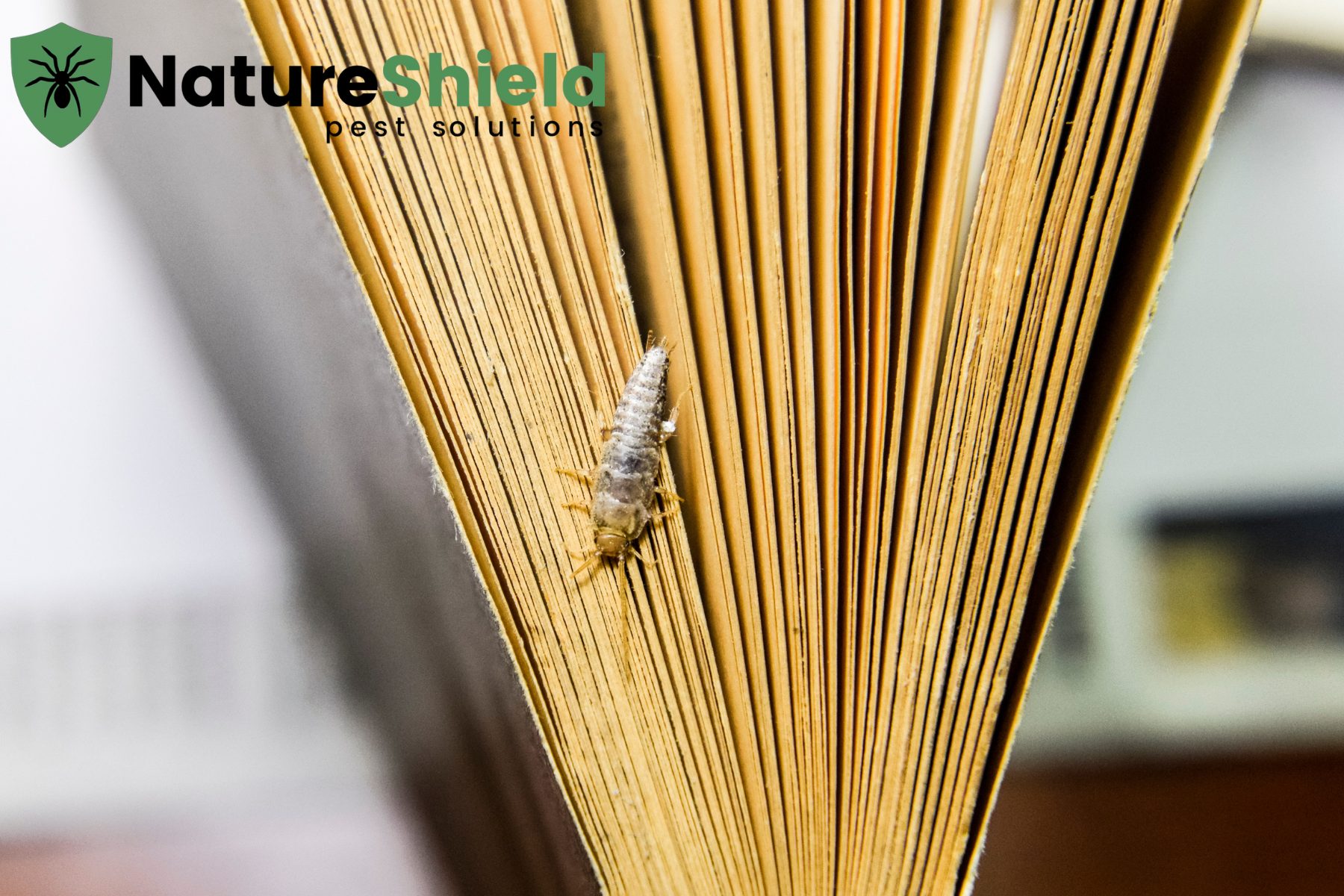
Once they hatch, young silverfish resemble smaller versions of adults rather than passing through a distinct larval stage.
What Do Newly Hatched Silverfish Look Like?
Young silverfish are generally smaller and lighter than mature silverfish, but their basic body shape is similar.
Silverfish develop gradually through a series of molts. Unlike insects that undergo complete metamorphosis, they do not have a separate larval stage that looks dramatically different from the adult.
This means that seeing very small silverfish in the same area where eggs may have been deposited can provide useful evidence that reproduction is occurring nearby.
How Can You Tell Silverfish Eggs From Other Household Debris?
Because the eggs are so small, identification based only on appearance can be difficult.
Small particles found around baseboards, closets, storage areas, or other locations could be dust, debris, insect remains, or other material.
When investigating suspected eggs, consider the surrounding evidence:
- Are silverfish being seen nearby?
- Are there shed skins?
- Is the area humid?
- Are there cracks or protected spaces?
- Are paper products or other potential food sources nearby?
- Are similar particles appearing repeatedly in the same location?
A combination of signs provides more useful information than trying to identify one tiny object in isolation.
What Does Finding Silverfish Eggs Mean?
Finding suspected silverfish eggs may indicate that adult silverfish are using the area for reproduction.
It does not automatically mean that a severe infestation is present.
The significance depends on what else you find.
One Possible Sighting
A single suspected egg without other signs may not provide enough information to determine whether silverfish have established themselves in the property.
Repeated Egg Sightings
Repeatedly finding suspected eggs in the same area deserves closer attention, particularly if adult silverfish are also being seen.
Eggs Plus Adult Silverfish
Finding eggs together with recurring adult activity provides stronger evidence that silverfish are reproducing somewhere nearby.
Eggs Plus Damage or Shed Skins
Damage to susceptible materials or multiple shed skins can indicate more established activity and may warrant further investigation.
How Can You Get Rid of Silverfish Eggs?
Removing visible eggs can be useful, but it may not address the conditions that allowed silverfish to reproduce.
Start with practical measures that target moisture, food, shelter, and access.
1. Remove Accessible Eggs and Debris
If suspected eggs are found in an accessible area, carefully clean the surface and dispose of the material appropriately.
Vacuuming can help remove small particles from cracks, edges, and other accessible areas.
2. Reduce Moisture
Inspect the area for leaks, condensation, poor ventilation, or other moisture sources.
Useful steps may include:
- Repairing plumbing leaks
- Improving ventilation
- Using appropriate dehumidification
- Addressing water accumulation
- Improving drainage where necessary
Reducing moisture can make an area less favorable to silverfish.
3. Remove Clutter and Harborage
Paper, cardboard, stored fabrics, and clutter can create protected areas where silverfish may remain hidden.
Keep storage areas organized and avoid unnecessary accumulation of materials in damp or poorly ventilated spaces.
4. Protect Paper and Other Susceptible Materials
Store books, documents, cardboard, and similar materials in appropriate conditions.
Avoid placing susceptible materials directly against damp walls or in areas with persistent humidity.
5. Seal Appropriate Entry and Hiding Points
Inspect cracks, gaps, and openings where silverfish may gain access or move between protected areas.
Sealing appropriate openings can be useful as part of broader pest prevention, although it should be done in a way that does not interfere with necessary ventilation or building functions.
Can You Prevent Silverfish Eggs?
Prevention focuses on making the environment less favorable to silverfish rather than trying to eliminate every possible source of the insects.
Control Moisture
Pay particular attention to bathrooms, basements, laundry areas, crawl spaces, and other locations where humidity can accumulate.
Improve Ventilation
Proper ventilation can help reduce excess humidity in areas where moisture tends to build up.
Keep Storage Areas Organized
Avoid creating large amounts of undisturbed clutter where silverfish can hide.
Store Paper Products Properly
Books, cardboard, documents, and other susceptible materials should be kept in dry, well-maintained storage areas.
Inspect Dark and Protected Areas
Regularly check baseboards, closets, storage areas, and other locations where silverfish may remain hidden.
What Should You Do If Silverfish Eggs Keep Appearing?
Repeatedly finding suspected eggs after cleaning and correcting obvious moisture or storage issues suggests that the underlying activity may still be present.
At that point, document:
- Where the eggs are being found
- How frequently they appear
- Whether adult silverfish are present
- Whether shed skins are visible
- Whether there is damage to stored materials
- Whether the area has persistent moisture
- Whether the activity is spreading to other rooms
This information can help determine whether the issue is isolated or more established.
Homeowners researching pest control in Fulton, MO should also consider whether recurring silverfish activity is being caused by conditions inside the property rather than simply by occasional insects entering from outside.
When Should You Consider Professional Pest Control?
Professional assessment may be appropriate when silverfish activity is persistent, recurring, difficult to locate, or associated with inaccessible areas, making Fulton pest control a potential next step.
Consider getting professional help when:
- Silverfish continue appearing after prevention efforts
- Suspected eggs keep returning
- Activity occurs in multiple rooms
- You cannot locate the source
- Silverfish are present in inaccessible areas
- You notice significant damage to susceptible materials
- Moisture problems have been corrected but activity continues
- You are unsure whether the suspected eggs are actually silverfish eggs
A professional inspection can help determine where activity is occurring and what conditions may be supporting it.
How Does a Professional Silverfish Inspection Work?
A professional inspection typically begins with information about where and when silverfish have been observed.
The inspection may focus on:
- Moisture-prone areas
- Cracks and crevices
- Baseboards
- Storage areas
- Attics and basements
- Crawl spaces
- Paper and cardboard storage
- Signs of feeding or damage
- Shed skins
- Potential harborages
The exact process depends on the property and the evidence found.
A useful inspection should help distinguish between an isolated sighting and an established breeding problem, helping homeowners determine whether routine prevention is enough or if pest control in Fulton may be appropriate.
What Factors Affect Silverfish Activity?
Silverfish activity can vary depending on several conditions.
Moisture
Persistent humidity or moisture can create favorable conditions for silverfish.
Shelter
Cracks, clutter, storage materials, and other protected spaces can provide hiding areas.
Food Sources
Paper products, adhesives, starch-containing materials, and other household materials can provide food for silverfish.
Temperature
Temperature can influence silverfish activity and development.
Building Conditions
Leaks, poor ventilation, gaps, and moisture problems can contribute to an environment where silverfish are more likely to persist.
Addressing these factors can be an important part of controlling recurring activity.
What Should You Do After Finding Silverfish Eggs?
If you find suspected silverfish eggs, avoid assuming that removing the visible material has solved the problem.
Instead:
- Document where the eggs were found.
- Look for adult silverfish nearby.
- Check for shed skins or material damage.
- Inspect the area for moisture.
- Remove accessible clutter and debris.
- Improve storage conditions for susceptible materials.
- Monitor the area for recurring activity.
- Seek professional assessment if the signs continue.
This approach addresses both the immediate discovery and the conditions that may be allowing silverfish to remain active.
Silverfish Eggs: Quick Identification Guide
| Feature | What to Look For |
|---|---|
| Size | Approximately 1 mm, although measurements can vary |
| Color | Usually pale or whitish when deposited |
| Shape | Small, generally oval or rounded |
| Location | Cracks, crevices, storage areas, and other sheltered spaces |
| Nearby signs | Adult silverfish, shed skins, damage, or recurring activity |
| Development | Hatch time varies with species and environmental conditions |
Because the eggs are extremely small, visual identification alone may not always be conclusive.
FAQs
What do silverfish eggs look like?
Silverfish eggs are very small, generally pale or whitish, and may be deposited individually or in small groups in protected areas.
Where do silverfish lay their eggs?
Silverfish may lay eggs in cracks, crevices, storage areas, and other sheltered locations where conditions are suitable.
How long do silverfish eggs take to hatch?
The development period varies depending on species and environmental conditions. Under favorable conditions, hatching may occur within several weeks.
Can you see silverfish eggs?
Yes, but their extremely small size can make them difficult to identify without close inspection.
Does finding silverfish eggs mean I have an infestation?
Not necessarily. However, repeated eggs combined with adult silverfish, shed skins, or other signs can indicate that silverfish are reproducing nearby.
What should I do if I keep finding silverfish eggs?
Look for moisture, shelter, food sources, and recurring silverfish activity. If the eggs continue appearing despite reasonable prevention measures, professional assessment may help identify the source.
Conclusion
Silverfish eggs are easy to overlook because of their tiny size and pale appearance. Finding them can provide an important clue that silverfish are reproducing somewhere nearby, particularly when eggs are accompanied by adult silverfish, shed skins, or recurring activity. Nature Shield Pest Solutions can help homeowners assess persistent silverfish activity and determine the appropriate next steps.
The most effective response is to look beyond the eggs themselves. Identifying moisture, shelter, food sources, and other conditions that allow silverfish to persist can help address the broader problem.
Need Professional Pest Control Help?
If recurring silverfish activity continues despite reasonable prevention measures, we can help assess the situation and determine an appropriate next step. Homeowners who need professional assistance can explore the company’s pest control services for further help. Contact us today to get started.
LEARN MORE HERE: