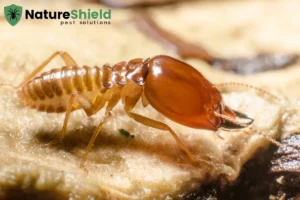
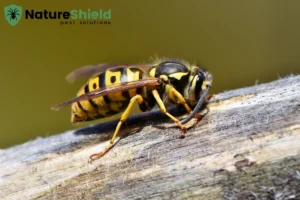
Professional exterminator services help homeowners and businesses identify pest problems, understand the conditions contributing to pest activity, and determine appropriate next steps. The process typically begins with an assessment of the affected areas, followed by recommendations based on the pest involved, the property’s condition, and relevant safety considerations. Understanding what to expect can help property owners make informed decisions about treatment, prevention, and follow-up.
What Do Professional Exterminator Services Include?
Exterminator services can involve several steps, depending on the pest, the extent of the activity, and the conditions found at the property. Rather than applying the same approach to every situation, a qualified professional should assess the problem and explain the options that fit the findings.
Common components may include:
- Pest inspection: Examining accessible areas for visible pests, evidence of activity, and potential entry points.
- Pest identification: Determining which pest is present and distinguishing it from other insects or rodents with similar signs.
- Treatment recommendations: Explaining suitable control options based on the pest and the property’s conditions.
- Prevention guidance: Identifying sanitation issues, structural openings, moisture concerns, or other factors that may contribute to pest activity.
- Follow-up planning: Explaining whether additional visits, monitoring, or repairs may be necessary.
Not every service includes every component. Before treatment begins, ask the provider what the proposed work covers and whether any additional services may be recommended.
What Happens During a Professional Pest Inspection?
An inspection helps establish what may be causing the pest problem and which areas require attention. The exact process varies according to the pest and the property’s layout, but the assessment should focus on relevant evidence rather than assumptions.
1. Reviewing the Pest Concern
The technician may ask when the problem began, where pests have been observed, and whether activity has changed over time. Details about recurring sightings, damaged materials, or previous treatment can help guide the inspection.
For example, ants appearing near a kitchen counter may require a different assessment from rodents leaving signs inside a storage area. The initial observations help determine where to investigate further.
2. Examining Affected Areas
The technician may inspect accessible spaces where pests or their signs have been reported. Depending on the circumstances, this can include kitchens, utility areas, storage spaces, exterior walls, entry points, and other relevant locations.
Potential evidence may include droppings, gnaw marks, damaged materials, insect activity, or conditions that could support pest presence. Individual signs do not always confirm the full extent of an infestation, so findings should be interpreted in context.
3. Identifying Possible Contributing Conditions
An inspection may also identify conditions that allow pests to enter, find food, or establish shelter. Examples include gaps around pipes, damaged screens, accessible garbage, standing water, or cluttered storage areas.
Not every condition directly causes an infestation, and a visible opening does not automatically mean pests are using it. The technician should explain which findings are confirmed and which are potential concerns requiring further investigation.
How Does an Exterminator Decide Which Treatment to Use?
The appropriate treatment depends on the pest species, the evidence of activity, the location of the problem, and relevant safety requirements. A reliable recommendation should explain why a particular approach is suitable instead of presenting one treatment as the answer to every pest issue.
Factors that may influence the recommendation include:
- Pest type: Ants, termites, rodents, bed bugs, and other pests require different control considerations.
- Location of activity: An infestation inside a wall, near food storage, or in an outdoor area may require different methods.
- Extent of the problem: Isolated activity may call for a different response from widespread or recurring signs.
- Property conditions: Entry points, moisture, sanitation, and structural features may affect the recommended approach.
- Occupant safety: Children, pets, food preparation areas, and other sensitive conditions may influence treatment selection and preparation instructions.
- Previous treatment: The technician may need to understand what has already been attempted and whether the underlying issue remains unresolved.
When comparing pest control in Springfield, MO options, ask the provider to explain the findings, proposed treatment, preparation requirements, and any recommended preventive measures. This makes it easier to understand what the service is intended to address.
What Should You Ask Before Treatment Begins?
Before approving the proposed work, make sure you understand its scope and any responsibilities that remain with you as the property owner.
Consider asking these questions:
Which Areas and Pests Are Included?
Confirm which pest concerns the service is intended to address and which parts of the property will be inspected or treated. Do not assume that treating one pest automatically covers unrelated infestations.
Do I Need to Prepare My Property?
Preparation requirements depend on the treatment method and the affected area. Ask whether food, personal belongings, pets, or occupants need to be moved and whether any access restrictions will apply.
Follow the technician’s instructions and the applicable product-label directions. Avoid assuming that every treatment requires the same preparation or that every household must leave the property.
What Does the Service Cost?
Ask for a clear explanation of the estimate, including the work covered, any potential additional charges, and whether follow-up visits are included. Costs can vary according to the pest, the extent of activity, property conditions, and the work required.
Will Repairs or Follow-Up Visits Be Necessary?
Some pest problems may require exclusion work, moisture corrections, sanitation improvements, or additional monitoring. Ask whether these tasks are included in the proposed service or require another contractor.
Understanding these details before treatment helps prevent misunderstandings and makes it easier to evaluate the recommendations.
What Safety Precautions Should Homeowners Follow?
Safety instructions depend on the treatment method, the product used, and the conditions at the property. A professional should explain any precautions relevant to the proposed work.
Homeowners should:
- Follow the preparation and re-entry instructions provided for the specific treatment.
- Keep children and pets away from restricted areas or treatment equipment.
- Store food, dishes, and household items as instructed.
- Avoid touching or moving traps, bait stations, or treated materials unless directed to do so.
- Follow applicable product-label directions and ask questions if any instruction is unclear.
Do not assume that a treatment is entirely risk-free simply because it is professionally applied. Ask the provider to explain the relevant precautions and what to do if an accidental exposure or other safety concern occurs.
What Happens After Pest Treatment?
Treatment is not always the final step in resolving a pest problem. Depending on the pest and the method used, the provider may recommend monitoring, follow-up visits, repairs, or changes to conditions that support pest activity.
After treatment, homeowners should:
- Follow the technician’s instructions for the treated areas.
- Monitor for new or recurring signs of pest activity.
- Address identified entry points, food sources, or other contributing conditions.
- Keep records of recurring sightings or new evidence.
- Contact the provider if activity continues beyond the expected response period or if the instructions recommend follow-up.
The time required to see results varies by pest, treatment method, and infestation conditions. Continued activity does not automatically mean a treatment failed, but it should be assessed in context rather than ignored.
When considering pest control in Springfield, look for a provider that explains what results to expect, how to monitor the situation, and when additional assessment may be appropriate. Clear communication helps property owners understand the next steps without relying on guarantees that may not reflect the circumstances.
When Should You Seek Professional Exterminator Services?
Professional assessment may be appropriate when a pest problem is difficult to identify, keeps returning, or may involve inaccessible areas or property damage.
Consider seeking assistance if:
- You repeatedly observe pests despite reasonable prevention efforts.
- You find recurring droppings, gnaw marks, damaged materials, or other signs of rodent activity.
- You suspect termites or another pest that may damage structural materials.
- You cannot identify where pests are entering or nesting.
- DIY approaches have not addressed the underlying issue.
- You are unsure how to manage the problem safely.
If you need an exterminator in Springfield, MO, choose a provider who explains the inspection findings, outlines the proposed work, and discusses relevant safety precautions and follow-up options. Ask which services are included and whether repairs outside the provider’s scope require another qualified professional.
How Can You Compare Exterminator Service Providers?
Comparing providers involves more than looking at the advertised price or the number of pests listed on a website. Consider how clearly each provider explains the proposed work and whether the recommendations address your specific concerns.
Evaluate the following factors:
- Clear inspection findings: The provider explains what was observed and what remains uncertain.
- Relevant recommendations: The proposed approach reflects the pest, the affected areas, and the property’s conditions.
- Transparent scope and pricing: You understand which services are included and which may cost extra.
- Safety communication: The provider explains preparation, product-specific precautions, and any access restrictions.
- Appropriate credentials: Verify applicable licensing, insurance, and qualifications for the work being offered.
- Follow-up expectations: You understand how continued activity will be evaluated and when to contact the provider again.
Avoid relying solely on broad claims such as permanent elimination, guaranteed results for every pest, or completely risk-free treatment. Ask for the specific terms of any guarantee and confirm which services qualify.
Frequently Asked Questions
What is the difference between an exterminator and a pest-control technician?
The terms are often used interchangeably. Both may refer to professionals who assess pest problems and recommend or perform control measures. The actual duties and qualifications depend on the services offered and applicable local requirements.
Does every pest problem require chemical treatment?
No. The appropriate approach depends on the pest and the conditions involved. Recommendations may include exclusion, sanitation improvements, monitoring, trapping, or other control measures, with treatment options selected according to the specific situation.
How long does a professional pest treatment take to work?
There is no single timeline for every pest or treatment. The expected response depends on the pest, the treatment method, the extent of activity, and whether contributing conditions are addressed. Ask the provider what to expect in your specific situation.
Should I leave my home during pest treatment?
That depends on the treatment method, product instructions, and affected areas. Follow the provider’s specific preparation and re-entry guidance rather than assuming that leaving is always necessary or never required.
What should I do if pests return after treatment?
Record where and when you notice activity and contact the provider if the signs persist or return contrary to the expected treatment plan. The provider may need to reassess the situation, identify an overlooked contributing condition, or recommend additional steps.
Are exterminator services guaranteed?
Guarantees vary by provider, service, and written terms. Ask what the guarantee covers, how long it applies, and whether exclusions or additional charges may apply. No general claim should be treated as a guarantee for every pest problem.
Conclusion
Understanding the professional extermination process helps homeowners make informed decisions about inspections, treatment recommendations, safety, and follow-up. Nature Shield Pest Solutions helps property owners understand their options based on the pest involved and the conditions found at the property. Clear communication and practical prevention can help address pest concerns with realistic expectations.
Need Help With a Pest Problem?
Contact us today to discuss your pest concerns and learn about suitable options for your home or business
LEARN MORE HERE:
Quick Pest Control: Nature Shield Pest Solutions Guide
Pest Control Springfield MO: Health & Economy Protection
How Pest Control Experts in Boonville Safely Handle Rodent Removal