How To Identify Ant Eggs: Nature Shield Pest Solutions
Ant eggs are tiny, oval-shaped, white or translucent particles that resemble small grains of rice. If you’re wondering what do ant eggs look like in the house, they are usually found in small clusters hidden in dark, moist areas like wall voids, under flooring, or behind cabinets.
Because they are so small, many homeowners mistake them for dust or food debris. However, spotting them early is often a sign of an active colony that may require professional pest control in Springfield.
What Do Ant Eggs Look Like in the House
Many people search phrases like “ants eggs look like” or “what does ant eggs look like” after noticing small white particles indoors. In most homes, common house ant eggs in house environments appear as tiny, smooth, slightly shiny ovals that are white or cream in color. They are usually grouped together and hidden in protected areas.
You are most likely to find them in places where moisture and food are present, such as under sinks, behind appliances, inside wall cracks, or near kitchen storage areas. These environments provide the protection and humidity ants need to keep their eggs safe.
Where Ant Eggs Are Commonly Found
Ants are highly strategic when placing their eggs. They prefer locations that are dark, undisturbed, and slightly humid. Inside a home, this often includes wall cavities, crawl spaces, and areas near plumbing. Outdoors, nests are commonly found under soil, rocks, or around the foundation.
Understanding these hiding spots is essential for effective pest control in Springfield, as it allows you to identify potential nesting areas before the infestation spreads.
Signs You Have an Ant Nest (Not Just Eggs)
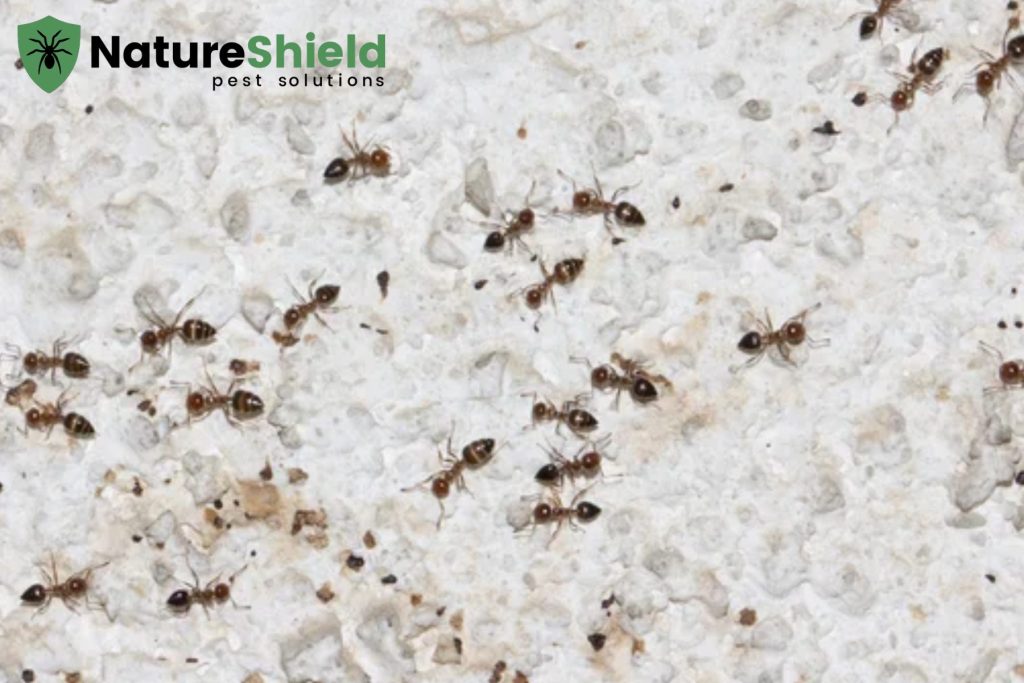
In most cases, you won’t see eggs unless the nest has been disturbed. Instead, you’ll notice signs like consistent ant trails, increased activity near food, or even winged ants appearing indoors. These are strong indicators of a well-established colony.
When these signs appear together, it usually means the infestation goes deeper than what’s visible on the surface.
Why DIY Methods Often Fail
Many homeowners try to eliminate ants using sprays or store-bought products. While this may reduce the number of visible ants, it rarely solves the root problem. The queen continues laying eggs, and the colony remains active behind walls or underground.
This is why infestations often return after temporary relief. In these situations, working with an experienced exterminator becomes the most reliable way to fully eliminate the problem.
How Professional Pest Control Eliminates Ant Eggs
Professional treatment focuses on removing the entire colony, not just the ants you see. This involves identifying the species, locating the nest, and using targeted solutions that reach hidden egg sites.
At Nature Shield Pest Solutions, our approach to pest control is designed to eliminate the queen and disrupt the colony lifecycle, ensuring long-term results rather than short-term fixes.
Why Ant Infestations Are Common
Ants thrive in environments where they have easy access to food, moisture, and shelter. Even small cracks in your home’s structure can provide entry points, while minor leaks or crumbs can attract entire colonies.
Because these conditions are common in residential environments, infestations can develop quickly if not addressed early.
What To Do If You Find Ant Eggs
If you come across what appears to be ant eggs, the best approach is to avoid disturbing them and focus on identifying the source. Cleaning the surrounding area and monitoring activity can help you understand the severity of the issue.
If the problem continues or spreads, contacting a professional for pest control in Springfield, MO is the most effective next step.
Can Ant Eggs Hatch After You Kill Ants
Yes, ant eggs can still hatch even after visible ants are eliminated. As long as the queen remains alive, the colony can continue to grow. This is one of the main reasons infestations seem to come back after treatment.
When To Call a Professional
If you continue to see ants despite treatment, or if you notice clusters of eggs in multiple areas, it’s a strong indication that the colony is well established. At that point, professional intervention is often necessary.
An experienced exterminator in Springfield, MO can identify the source, apply targeted treatments, and ensure the infestation is fully resolved.
Final Takeaway
Knowing what do ant eggs look like and where to find them gives you a clear advantage in stopping infestations early. While they may seem small and harmless, they are often the first visible sign of a much larger problem.
With the right approach and support from a trusted pest control provider, you can protect your home and prevent recurring infestations.
Frequently Asked Questions
1. What do ant eggs look like in the house?
Ant eggs are tiny, oval-shaped, and white or translucent. In the house, they are usually found in hidden, moist areas like wall voids, under sinks, or behind appliances.
2. What does ant eggs look like compared to other pests?
Ant eggs look like small grains of rice, but they are smoother and more clustered than other pest eggs. They are often confused with termite or bed bug eggs, which differ slightly in shape and texture.
3. Are common house ant eggs in house a sign of a bigger problem?
Yes, finding common house ant eggs in house environments usually means there is an active colony nearby. This often requires professional pest control to fully eliminate.
4. Can I remove ant eggs on my own?
While you may be able to remove visible eggs, DIY methods often fail to eliminate the queen and the rest of the colony. This is why many homeowners turn to an experienced exterminator for long-term solutions.
5. How do professionals handle ant eggs and infestations?
Professionals use targeted treatments to locate the nest, eliminate the queen, and stop the lifecycle. A trusted provider ensures the infestation is handled completely and safely.
Other related blogs:
Signs of Carpenter Ants in the House: What You Need to Know