Pest infestations can affect human health, damage property, and disrupt daily activities in homes and businesses. The level of risk depends on the pest involved, the extent of its activity, and the conditions that allow it to survive. Identifying pest problems early and addressing their underlying causes can help property owners reduce avoidable risks and make informed decisions about prevention and treatment.
How Can Pests Affect Human Health?
Pests can create health and sanitation concerns in several ways. Some contaminate food and food preparation surfaces, while others may trigger allergic reactions or carry pathogens under certain conditions. Understanding these risks helps homeowners determine which prevention measures deserve attention.
Food Contamination and Sanitation Concerns
Rodents, cockroaches, and flies can move through unsanitary areas before coming into contact with food, utensils, or food preparation surfaces. Their activity may introduce contaminants into spaces where people prepare or store meals.
To reduce these risks, store food in sealed containers, clean spills promptly, empty garbage regularly, and keep food preparation areas clean. Discard food that may have been exposed to rodents or other pests when contamination is suspected.
Allergies and Respiratory Irritation
Cockroach droppings, shed body parts, and other pest-related particles can contribute to allergic reactions or aggravate asthma symptoms in susceptible individuals. Some people may also experience skin irritation or discomfort after exposure to certain insects.
The presence of pests does not automatically mean someone will become ill. Individual sensitivity, the type of pest, and the level of exposure all influence the potential impact. Persistent symptoms should be discussed with a qualified healthcare professional rather than attributed to pests without an appropriate evaluation.
Bites, Stings, and Other Risks
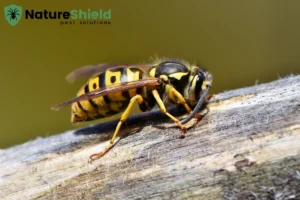
Mosquitoes, ticks, fleas, and stinging insects can create additional concerns. Depending on the species and circumstances, bites or stings may cause itching, swelling, allergic reactions, or exposure to disease-causing organisms.
Avoid handling unfamiliar insects or attempting to remove a nest without understanding the risks. Seek appropriate medical attention for severe reactions or concerning symptoms after a bite or sting.
What Property Damage Can Different Pests Cause?
The financial impact of an infestation depends on the pest species, the location of its activity, and how long the problem remains unaddressed. Some pests primarily create sanitation concerns, while others can damage building materials, stored belongings, or electrical components.
| Pest type | Potential property impact | Practical prevention |
|---|---|---|
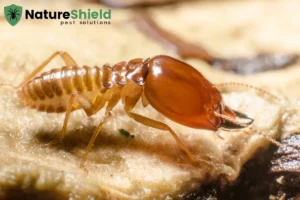
| Termites | Damage to wood and other cellulose-containing materials | Address moisture issues and arrange an inspection when suspicious signs appear |
| Rodents | Gnawed materials, damaged stored items, and possible wiring damage | Seal entry points and remove accessible food sources |
| Carpenter ants | Excavation of damp or softened wood that may contribute to structural concerns | Repair moisture problems and investigate recurring activity |
| Clothes moths | Damage to susceptible fabrics and stored textiles | Clean and store vulnerable items appropriately |
| Pantry pests | Contamination or damage to stored dry foods | Inspect packages and keep pantry goods in sealed containers |
These outcomes are possible rather than inevitable. For example, termite damage varies with the species, colony activity, and duration of the infestation. Rodent gnawing may affect different materials, and suspicious marks alone do not confirm that wiring or structural components have been damaged.
When signs suggest hidden damage, a qualified professional can help determine whether a more detailed inspection or repair assessment is needed.
How Can Pest Problems Affect Businesses?
Pest activity can create operational challenges for businesses, especially those that handle food, store products, or serve customers in shared indoor spaces. The consequences depend on the type of business and the severity of the problem.
Inventory and Equipment Concerns
Rodents and insects may contaminate food, damage packaging, or affect stored goods. Businesses may need to discard affected inventory, clean impacted areas, or investigate how pests entered the property.
In some circumstances, rodents can also damage wiring and other building components. Any suspected electrical damage should be assessed by a qualified professional rather than treated as a pest issue alone.
Customer Confidence and Daily Operations
Visible pest activity can undermine customer confidence and require staff to spend time addressing sanitation or maintenance concerns. Depending on the circumstances, a business may need to restrict access to an affected area while the problem is evaluated.
Food-service businesses should follow applicable food-safety requirements and take suspected contamination seriously. However, an isolated pest sighting does not automatically mean a business must close. The appropriate response depends on the nature of the problem and the applicable requirements.
Avoidable Expenses
Pest problems may lead to cleaning, repairs, replacement inventory, and professional inspection or treatment expenses. Addressing entry points, moisture problems, waste management, and other contributing conditions can help reduce the likelihood of recurring activity.
Prevention cannot eliminate every pest risk, but a practical maintenance plan can help businesses identify problems earlier and respond more efficiently.
Which Prevention Steps Can Reduce Pest-Related Risks?
Consistent property maintenance is an important part of pest prevention. For homeowners seeking pest control in Springfield, addressing common sources of food, water, shelter, and entry points can help reduce pest activity. The most effective measures depend on the pest involved and the conditions around the property.
Store Food and Manage Waste Properly
- Keep pantry goods and pet food in tightly sealed containers.
- Clean crumbs, spills, and food residue promptly.
- Empty garbage regularly and use containers with secure lids.
- Inspect stored food for damaged packaging or signs of pest activity.
- Keep recycling and waste areas clean.
These practices make food sources less accessible to many common household pests.
Seal Entry Points
Inspect the property for gaps around pipes, doors, windows, vents, and utility openings. Repair damaged screens, install appropriate door sweeps, and seal suitable gaps with materials appropriate for the location.
Rodents can enter through surprisingly small openings, so the size and placement of any suspected entry point should be assessed carefully. Avoid blocking required ventilation or drainage openings.
Address Moisture and Clutter
Leaking pipes, standing water, damp storage areas, and poorly ventilated spaces can attract or support certain pests. Repair plumbing leaks, improve drainage where appropriate, and keep storage areas organized.
Remove unnecessary cardboard and other clutter where pests could hide. Outdoor maintenance also matters: keep vegetation from directly contacting the building where practical and store firewood away from exterior walls.
Monitor for Changes
Pay attention to recurring droppings, damaged food packaging, unusual insect activity, shed insect skins, or signs of wood damage. Record where and when activity occurs, especially if it returns after cleaning or basic prevention measures.
A single sign may have several explanations, so avoid assuming that every mark or insect confirms a substantial infestation. When evidence persists, further identification or inspection may be appropriate.
When Should You Contact a Pest Control Professional?
Basic prevention can help reduce pest activity, but some situations require a more targeted assessment. Knowing when to seek assistance can help property owners avoid ineffective attempts to resolve a recurring problem.
Consider professional evaluation when:
- Pest activity continues despite cleaning, food storage improvements, and reasonable exclusion measures.
- Rodents or insects repeatedly appear in areas where food is prepared or stored.
- You suspect termites or other wood-damaging pests.
- You find recurring signs of pests in walls, attics, crawl spaces, or other difficult-to-access areas.
- You cannot identify the pest or determine where it is entering.
- The infestation affects a business that must meet specific sanitation or operational requirements.
A professional inspection can help identify the pest, assess visible evidence, and investigate conditions that may be contributing to the activity. The inspection may also reveal when a separate specialist, such as an electrician or building repair professional, is needed.
For property owners researching pest control in Springfield, MO, the appropriate next step depends on the pest involved, the affected areas, and the evidence found during an assessment. A reliable recommendation should explain the problem, the proposed approach, any relevant precautions, and whether follow-up may be necessary.
How Do Professionals Identify and Address Pest Problems?
Effective pest management begins with understanding the problem rather than automatically applying the same treatment to every property.
1. Inspect the Property
An inspection may include looking for pest activity, possible entry points, food and moisture sources, and conditions that support hiding or nesting. The areas examined depend on the pest and the information available.
For example, evidence of rodents may lead to closer attention to gaps around utility lines, while suspected termites may require examination of accessible wood and other relevant areas. An inspection can narrow down possible causes, although concealed activity may require additional investigation.
2. Identify the Pest and Assess the Conditions
Correct identification helps determine which methods are likely to be appropriate. Different pests have different nesting habits, food sources, and vulnerabilities, so a treatment designed for one pest may not be suitable for another.
The assessment should also consider the extent of the activity, the location of the affected areas, and any relevant household or business concerns. These details help guide a proportionate response.
3. Recommend Suitable Control and Prevention Measures
Depending on the findings, recommendations may include sealing entry points, improving sanitation, reducing moisture, using traps, applying an appropriate treatment, or combining multiple measures.
Professional pest management should also explain any preparation instructions, safety precautions, and follow-up recommendations. Results vary according to the pest, the conditions at the property, and whether contributing factors are addressed.
Property owners comparing an exterminator in Springfield, MO should ask how the pest will be identified, what the recommended approach involves, and what they need to do before and after treatment. Clear answers make it easier to evaluate whether the proposed service fits the problem.
How Can Property Owners Choose the Right Next Step?
Before deciding on a treatment, gather information about the pest activity and the conditions surrounding it. This can help you explain the problem clearly and assess whether a proposed recommendation addresses the underlying issue.
Consider these questions when evaluating your options:
- What evidence supports the identification? Ask which signs indicate the suspected pest and whether further inspection is necessary.
- What conditions may be contributing to the problem? Look for entry points, moisture, accessible food, or sheltered areas.
- What does the recommended treatment involve? Request an explanation of the proposed methods and any necessary preparation.
- What precautions are required? Follow product-label instructions and any professional guidance regarding people, pets, food, and treated areas.
- Is follow-up recommended? Ask how progress will be evaluated and what steps may be needed if activity continues.
For many properties, prevention and monitoring remain important even after treatment. A pest management plan should set realistic expectations and explain which responsibilities belong to the service provider and which require ongoing property maintenance.
Frequently Asked Questions
How can pests affect human health?
Some pests can contaminate food or surfaces, while certain pest-related particles may trigger allergies or aggravate asthma in susceptible individuals. Bites and stings can also cause reactions, and some species may transmit diseases. The actual risk depends on the pest and the circumstances.
Which pests can cause damage to a home?
Termites can damage wood, rodents may gnaw wiring and building materials, and carpenter ants can excavate damp or softened wood. Other pests may damage food, clothing, or stored belongings. The extent of damage varies, so suspicious signs should be evaluated rather than treated as proof of a particular problem.
Can pest infestations affect a business?
Yes. Depending on the pest and the setting, infestations can affect sanitation, inventory, customer confidence, and daily operations. Businesses that handle food should respond promptly to possible contamination and follow applicable food-safety requirements.
What can homeowners do to reduce pest-related risks?
Store food securely, manage waste, repair leaks, reduce clutter, and seal suitable gaps around the property. Regular monitoring can help identify recurring activity before it becomes more difficult to manage.
When should a property owner seek professional pest control?
Consider a professional assessment when pest activity persists, the pest cannot be identified, suspected damage is present, or the problem affects sensitive areas such as food storage spaces. A professional can evaluate the evidence and recommend appropriate next steps.
Does every pest infestation require professional treatment?
Not necessarily. Some minor issues may improve with sanitation, exclusion, and monitoring. Persistent activity, suspected structural damage, or pests that present more serious risks may warrant professional evaluation. Nature Shield Pest Solutions can help property owners assess their pest concerns and understand appropriate next steps based on the pest and the conditions involved.
If you’re concerned about pest activity in your home or business, contact us today to discuss your concerns and possible next steps.
LEARN MORE HERE:
Protecting Public Health: Pest Control Columbia MO