
Crickets in Flight: What It Reveals About Their Lifecycle and Environment
Crickets are well-known for their distinctive chirping sounds, but their ability to move through the air is less discussed. While many people assume that crickets only hop, some species can take short flights. Understanding their flight capabilities provides valuable insights into their lifecycle, environmental adaptations, and survival strategies.
Can Crickets Fly?
The short answer is yes, some crickets can fly, though not all species do. Whether a cricket can fly depends on its physical structure, wing development, and environmental needs. For example, field crickets have wings capable of short-distance flights, while house crickets generally use their wings for chirping rather than sustained movement. If you’ve ever wondered can crickets fly, the answer is a conditional “yes,” with limitations based on the species.
How High Can Crickets Fly?
Crickets are not known for soaring high into the air. In most cases, they can only fly a few feet off the ground. Factors like wing size, muscle strength, and weather conditions influence altitude. Field crickets may reach slightly higher points when escaping predators or searching for food, but they cannot maintain high-altitude flight. For more details on how high can crickets fly, the general range is minimal compared to other insects such as grasshoppers or dragonflies.
Why Do Crickets Fly?
Flying is not the primary mode of travel for crickets, but they use it strategically for survival. Common reasons for flight include:
- Escaping predators – Quick aerial movements can help them avoid being caught.
- Searching for food – Short flights allow them to access new feeding grounds.
- Seeking mates – Some male crickets may fly short distances to locate females.
- Finding shelter – Flight can help crickets relocate when environmental conditions change.
The Connection Between Flight and the Cricket Lifecycle
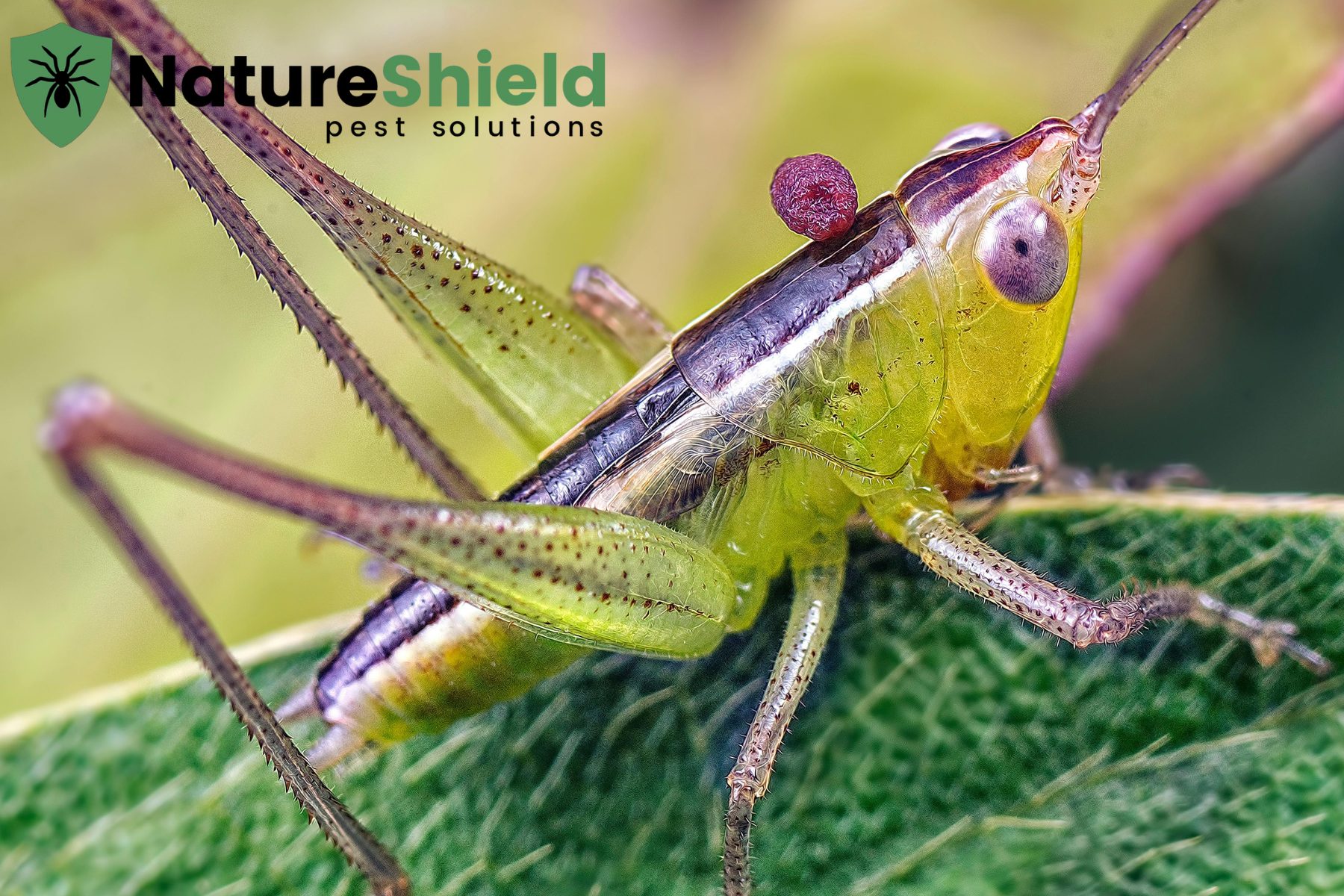
The ability to fly often correlates with a cricket’s stage in life. Only adult crickets with fully developed wings can fly; nymphs, which resemble smaller wingless versions of adults, rely solely on jumping to move. This distinction is important in identifying where a cricket is in its lifecycle. Adults use short flights for mating and dispersal, which helps maintain healthy population distribution in their habitat.
Environmental Factors That Affect Cricket Flight
Several environmental factors can determine whether crickets will take flight:
- Temperature – Crickets are more active and likely to fly in warm conditions.
- Light – Many species are nocturnal and may fly toward artificial lights at night.
- Moisture levels – Damp environments can affect a cricket’s willingness to move long distances.
- Predator presence – An immediate threat can trigger sudden flight activity.
Flight as a Sign of Infestation
Seeing crickets fly inside your home or business can indicate a growing infestation. While hopping crickets may stay near entry points, flying ones can reach higher locations such as countertops, shelves, and storage areas. This ability increases their potential to contaminate stored food, damage fabrics, and create persistent noise. If you are noticing frequent cricket activity, finding cricket control near me can help address the issue effectively.
Cricket Diet and Its Impact on Flight Behavior
What crickets eat influences their energy levels, which in turn affects how often they take flight. They consume a variety of organic materials, including plants, fungi, and even small insects. A protein-rich diet can make them more active and capable of flying greater distances. This adaptability in feeding makes them resilient pests in both rural and urban environments.
Flight and Seasonal Behavior
In warmer months, cricket flight activity tends to increase as they search for food and mates. During colder seasons, their activity slows, and they may seek indoor shelter where flights are less frequent but still possible. This seasonal variation is important to consider for effective pest prevention and pest control Columbia MO strategies.
How to Prevent Flying Crickets from Entering Your Home
Since flying crickets can reach higher points, prevention strategies should focus on sealing both low and elevated entryways. Consider:
- Installing tight-fitting window screens
- Sealing cracks around doors and windows
- Using weather stripping to block gaps
- Keeping outdoor lighting to a minimum to avoid attracting them indoors
Implementing these measures reduces the likelihood of indoor infestations and supports long-term Columbia MO pest control efforts.
Why Professional Help Is Key
While DIY methods may help in the short term, crickets that can fly often require a professional approach to ensure they are fully eliminated. Licensed pest specialists can identify the specific species, locate breeding areas, and apply targeted treatments that address both hopping and flying activity.
About Nature Shield Pest Solutions
Nature Shield Pest Solutions is your trusted local provider for safe, effective, and environmentally friendly pest management. Serving Fulton, Columbia, Mexico, and surrounding Missouri communities, we specialize in customized solutions for both residential and commercial properties. Our services cover a wide range of pests, including crickets, ants, spiders, rodents, and more. Whether you need preventive care or targeted treatments, our expert team ensures your home or business remains protected year-round.