Centipedes can be removed by vacuuming them up, reducing indoor moisture, controlling other insects, and sealing cracks where they may enter. To prevent them from returning, address the conditions that attract them, including damp spaces, available food sources, and sheltered hiding places.
Finding a centipede crawling across your bathroom floor or hiding in the basement can be unsettling. These pests move quickly and often stay out of sight during the day. If you keep seeing them indoors, removing the ones you find is only the first step. You also need to identify why they are entering your home.
Why Are Centipedes Getting Inside Your Home?
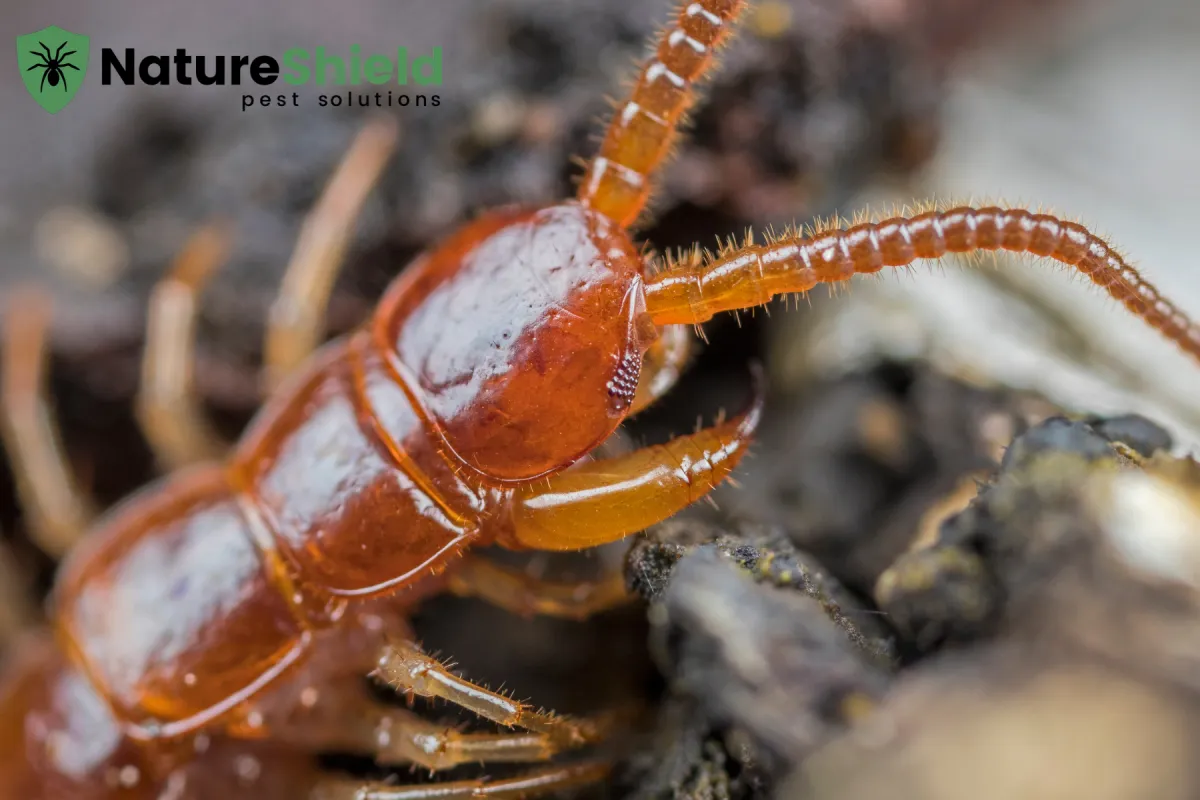
Centipedes are predators that feed on other insects and small animals. They often live in damp, dark places and may enter homes while looking for food or shelter. Basements, bathrooms, crawl spaces, and storage areas can provide the conditions they need.
Three common factors can contribute to indoor activity.
1. Damp Areas Provide Suitable Conditions
Moisture is one of the first things to check when you find centipedes inside. Leaking pipes, wet floors, and poorly ventilated rooms can create damp conditions where these pests are more likely to appear.
Check areas such as:
- Bathrooms, especially around sinks, tubs, and showers
- Basements and crawl spaces
- Utility rooms with plumbing lines
- Closets and storage areas with limited airflow
- Spaces where water leaks or moisture collects
If you keep finding centipedes in the same room, inspect it for plumbing leaks, standing water, or poor ventilation.
2. Other Insects Provide a Food Source
Centipedes hunt other insects. Ants, cockroaches, spiders, and other small pests can provide a food source that encourages them to stay around.
For example, if you notice centipedes and cockroaches in the same area, there may be an underlying pest problem worth addressing. Removing the centipedes without dealing with other insect activity may not prevent future sightings.
3. Cracks and Openings Allow Them to Enter
Small gaps around a home can give centipedes access to indoor spaces. Common entry points include:
- Cracks in foundations and exterior walls
- Gaps around doors and windows
- Openings around pipes and utility lines
- Damaged weatherstripping
- Spaces where exterior walls meet other building materials
Inspect these areas, especially near rooms where you have noticed pest activity. Seal openings where possible and repair damaged screens or door sweeps.
How to Get Rid of Centipedes: 6 Practical Steps
Removing visible pests and addressing the conditions that attract them can help reduce indoor activity. Follow these steps to start.
1. Remove Visible Centipedes
A vacuum is a practical way to remove a centipede without handling it directly. After collecting it, dispose of the vacuum contents promptly.
Avoid picking up unfamiliar centipedes with your bare hands. Some species can deliver a painful bite when threatened. Keep children and pets away while removing them.
If you continue finding centipedes after removal, check for moisture, other insects, and possible entry points.
2. Reduce Indoor Moisture
Inspect damp areas and look for the source of the water. Repair leaking faucets and pipes, dry wet floors, and remove standing water.
You can also:
- Improve airflow in poorly ventilated rooms.
- Use a dehumidifier in areas that remain damp.
- Check under sinks and around plumbing connections.
- Inspect basements and crawl spaces for moisture problems.
If an area stays damp despite these steps, consider having the source of the moisture inspected.
3. Address Other Insect Problems
Since centipedes feed on other pests, reducing insect activity can help make your home less attractive to them.
Store food properly, clean up crumbs, and avoid leaving food waste around the house. Look for signs of ants, cockroaches, spiders, and other insects in areas where centipedes appear.
If another pest problem keeps returning, address it rather than focusing only on the centipedes.
4. Seal Cracks and Entry Points
Inspect your foundation, walls, doors, and windows for gaps. Seal openings where possible, especially around pipes and utility lines.
Check door sweeps and window screens for damage. Loose fittings and small openings can leave access points for pests.
Do not focus on just one crack. Inspect the areas around the entire property to identify other possible openings.
5. Use Traps to Monitor Activity
Traps can catch centipedes and help show where they are active. Place them in areas where you have noticed activity, such as along walls or near damp spaces. Follow the product instructions and keep traps away from children and pets.
Check them regularly. If you continue catching centipedes in the same area, inspect nearby spaces for moisture, hiding places, and other insects.
Traps are useful for monitoring, but they do not fix leaks, seal openings, or remove other pests that may be attracting centipedes.
6. Consider Professional Centipede Control
If centipedes keep appearing despite your efforts, a professional inspection can help identify what is contributing to the problem.
A technician can assess affected areas, look for possible entry points, and check for conditions that may support pest activity. Based on the findings, the company can recommend an appropriate treatment approach.
Professional help may be useful when centipedes appear in several rooms, other pest problems are present, or you cannot identify how they are getting inside.
DIY Centipede Removal vs. Professional Centipede Control
Both DIY steps and professional services can help manage centipedes. The right option depends on how often you see them and whether you can address the conditions attracting them.
| Factor | DIY Removal | Professional Control |
| Best suited for | Occasional sightings | Recurring or widespread activity |
| Main approach | Vacuuming, traps, and moisture reduction | Inspection and treatment based on the pest problem |
| Entry points | Homeowner checks and seals visible gaps | Technicians can help identify potential access areas |
| Other insects | Homeowner looks for signs of other pests | Technicians can assess related pest activity |
| Prevention | Requires regular home maintenance | Includes professional recommendations for reducing future activity |
When Should You Call a Professional?
Consider contacting a pest control company if:
- You keep seeing centipedes after removing them.
- They appear in several areas of your home.
- You notice other insect activity.
- You cannot find the source of moisture or possible entry points.
- You want a professional inspection and a treatment plan.
When comparing pest control in Ozark, MO, look for a company that explains its inspection process, recommended treatments, and prevention steps. You should understand what the technician finds and why a particular approach is being recommended.
How to Prevent Centipedes From Returning
Removing the pests you see is only part of the process. Long-term prevention means reducing the conditions that allow them to find food, moisture, and shelter around your home.
Keep Indoor Areas Dry
Check for leaks under sinks, around toilets, and near plumbing connections. Repair problems promptly and dry damp surfaces.
Pay particular attention to basements, bathrooms, and crawl spaces. If these areas remain damp, look into ways to improve ventilation or reduce moisture.
Remove Outdoor Hiding Places
Centipedes can live outdoors in damp, sheltered areas. Reducing these hiding places near your home can help limit the conditions that support pest activity.
Try these steps:
- Clear accumulated leaves and yard debris.
- Keep firewood and stored materials away from the foundation.
- Trim vegetation that touches exterior walls.
- Remove piles of damp organic material near the house.
- Keep outdoor storage areas neat.
Keep Other Pest Activity Under Control
Do not ignore other insects when working to prevent centipedes. Since they feed on smaller pests, reducing ants, cockroaches, and spiders can also help make your property less attractive to them.
If you notice signs of another infestation, investigate and address it. Treating only the centipedes may leave their food source untouched.
Inspect Entry Points Regularly
Check doors, windows, foundation walls, and openings around utility lines. Repair damaged screens and weatherstripping, and seal gaps when you find them.
Make these checks part of your regular home maintenance, especially if you have noticed recurring pest activity.
Homeowners dealing with repeated sightings can also consider pest control in Ozark. An inspection can help identify contributing conditions and determine what steps may be needed.
Common Centipede Control Myths Homeowners Should Stop Believing
Myth 1: Removing Visible Centipedes Solves the Problem
Fact: Removing a centipede takes care of the one you found, but it does not explain why it entered your home. If moisture, food sources, and entry points remain, you may continue seeing them.
Myth 2: Centipedes Only Appear in Dirty Homes
Fact: Centipedes are attracted to moisture, shelter, and available prey. Even a clean home can have damp spots or small openings that let pests in.
Myth 3: Sealing One Crack Keeps All Centipedes Out
Fact: Pests may enter through different openings around foundations, walls, doors, and utility lines. Inspect the full property rather than focusing on a single gap.
Myth 4: Traps Are Enough to Prevent Centipedes From Returning
Fact: Traps can catch centipedes and help monitor activity, but they do not remove moisture or control other insects. Long-term prevention requires addressing those conditions too.
Applying Our Science-Backed Pest Control Methods to Centipede Problems
Nature Shield Pest Solutions uses a customer-focused approach to help homeowners and businesses address pest concerns. Our service combines traps, experienced technicians, science-backed methods, and responsive customer care.
Here is what each part means for centipede control.
Using Traps to Help Monitor Activity
Traps are one of the tools we use to catch pests and monitor where activity occurs. For centipede problems, placement should take into account where homeowners have noticed them and which areas may provide suitable hiding conditions.
Traps can help reveal patterns, but they are not a complete solution on their own. Moisture, entry points, and other insect activity also need attention.
Experienced Technicians Who Assess the Problem
Our licensed and trained technicians bring pest control knowledge to each inspection. Rather than focusing only on the centipedes a homeowner can see, they can assess affected areas and look for possible contributing conditions.
This may include checking damp spaces, potential entry points, and signs of other insects. The findings help guide the recommended control approach.
Top-Notch Customer Service With Clear Recommendations
We believe customers should understand the problem and their options. Our team aims to answer questions, explain the recommended approach, and provide responsive service without making the process confusing.
Nature Shield Pest Solutions also offers free inspections. This allows customers to discuss their concerns and receive a professional evaluation.
Science-Backed Methods and 100% Safe and Effective Solutions
Our approach uses science-backed pest control methods and products selected for the pest problem being addressed. The goal is to choose an appropriate treatment rather than rely on guesswork or a one-size-fits-all approach.
Nature Shield Pest Solutions offers 100% safe and effective solutions as part of its service promise. Our technicians can explain the treatment approach and any product-specific instructions or precautions that homeowners should follow.
For anyone searching for an exterminator in Ozark, MO, choosing a licensed and trained team can help make the inspection and treatment process clearer. You should know what the technician identifies, what treatment is recommended, and what you can do to help prevent future activity.
People Also Ask: Centipede Control
What Is the Fastest Way to Get Rid of Centipedes?
Vacuuming visible centipedes is a practical way to remove them quickly. Afterward, reduce moisture, check for other insects, and seal openings that may allow them inside.
Why Do Centipedes Keep Coming Back?
They may keep returning when damp conditions, available food sources, or entry points remain. Removing visible pests without addressing these conditions may not prevent future sightings.
Where Do Centipedes Usually Hide in a House?
Centipedes are often found in dark, damp areas such as basements, bathrooms, crawl spaces, closets, and under furniture. They may also hide in other sheltered spaces where they can find food.
Do Traps Get Rid of Centipedes Permanently?
Traps can catch centipedes and help monitor activity, but they do not address why the pests are entering. Moisture reduction, entry-point sealing, and control of other insects are also important.
Should I Call a Pest Control Company for Centipedes?
Consider professional help if centipedes keep appearing, show up in several areas, or are difficult to manage on your own. A technician can inspect the property and recommend an approach based on the conditions found.
Get Help With Recurring Centipede Problems
If you keep finding centipedes around your home, removing them one at a time may not be enough. Moisture, other insects, and openings around the property can continue to contribute to the problem.
Nature Shield Pest Solutions provides professional pest control with licensed and trained technicians, traps, and science-backed methods. We offer free inspections and guaranteed service. If pests persist after treatment, our team will return at no additional charge.
Contact us today to request a free inspection and discuss your centipede concerns. Our team can help identify the problem and explain the next steps for your home.