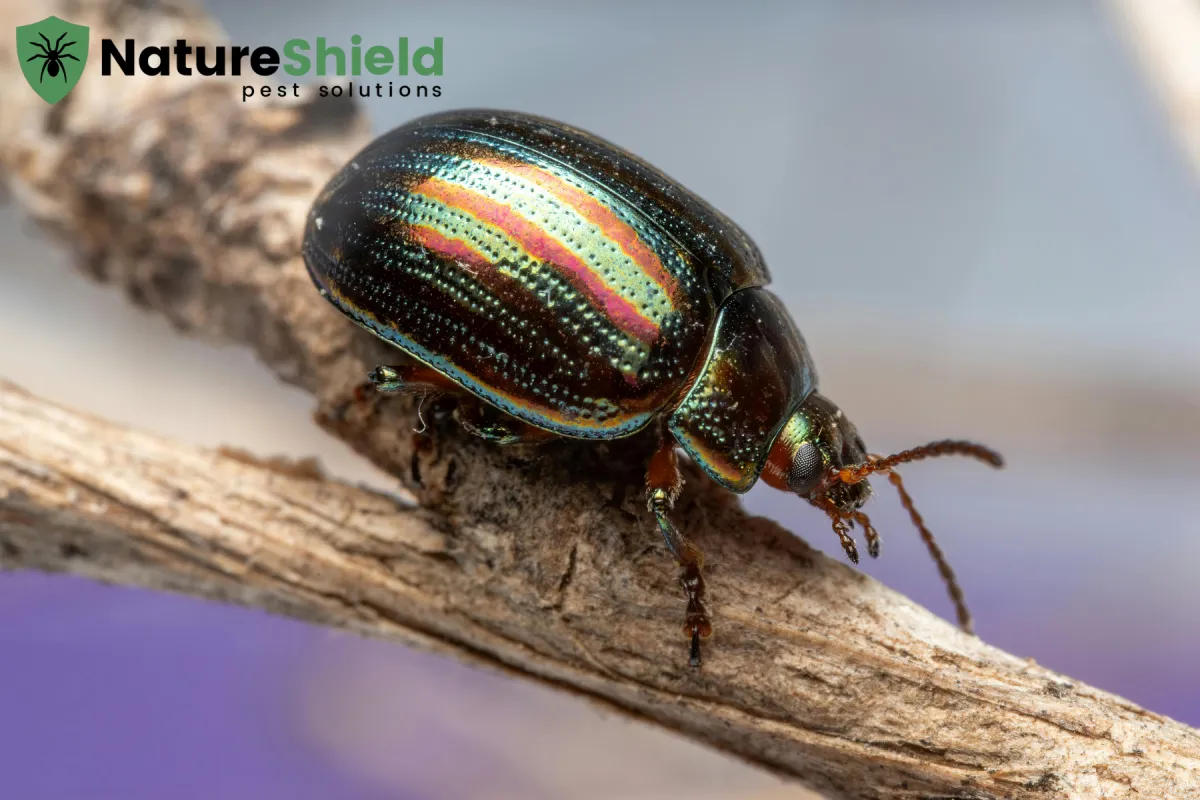
Beetles keep appearing inside a home after cleaning because their food source, breeding area, or entry point may still be present. They can hide in stored food, carpets, furniture, and other hard-to-reach places, while some enter through gaps around doors and windows. Identifying the beetle and finding its source are the first steps toward stopping the problem.
Why Do Beetles Keep Appearing Even After Cleaning?
Cleaning removes crumbs, dust, and visible insects, but it may not reach the places where beetles feed, lay eggs, or develop. If you keep finding them after vacuuming and wiping surfaces, the source may be somewhere else in your home.
1. Beetles May Be Breeding in Hidden Areas
Some beetles lay eggs near the materials their young need to survive. Depending on the species, these areas may include pantry shelves, carpets, closets, stored fabrics, or spaces beneath furniture.
Vacuuming adult beetles may reduce the number you see, but it may not remove every egg or larva. If young beetles continue to develop in a hidden area, you may keep finding new ones even after cleaning.
2. Food Sources May Still Be Available
Different beetles feed on different materials. Pantry beetles may infest flour, cereal, grains, spices, and pet food. Carpet beetle larvae can feed on natural fibers, lint, feathers, and other materials. Some beetles feed on wood, while others enter from outdoor areas.
Even a small amount of infested food or forgotten material can support continued activity. Check the items near where you find the insects instead of focusing only on visible surfaces.
3. Beetles May Be Entering From Outside
Not every beetle found indoors comes from an infestation inside the home. Some species wander inside through open doors, damaged screens, gaps around windows, or openings near utility lines.
Outdoor beetles may also gather near lights at night. If you mostly find them near windows, doors, or light fixtures, check for possible entry points before assuming they are breeding indoors.
4. Cleaning May Remove the Beetles but Not the Source
Finding a beetle and removing it does not necessarily address the reason it appeared. If eggs, larvae, infested products, or entry points remain, the problem can continue.
Repeated sightings do not automatically mean your home is dirty. The more useful question is where the beetles are coming from and what is allowing them to survive.
What Types of Beetles Commonly Appear Inside Homes?
Identifying the beetle can help you narrow down where to look. Its size, shape, color, and location provide useful clues, although a visual guess may not be enough for a certain identification.
Pantry Beetles
Pantry beetles, including flour beetles and drugstore beetles, may appear around stored food. They can be found in cupboards, food containers, and pet food storage areas.
Check flour, cereal, rice, spices, nuts, and other dry goods for insects, larvae, or damaged packaging. If you find infested food, seal it before disposal and clean the affected storage area.
Carpet Beetles
Carpet beetles are often associated with carpets, rugs, closets, upholstered furniture, and stored clothing. Their larvae can feed on materials containing animal fibers, such as wool, feathers, and fur.
You may notice small larvae, shed skins, or fabric damage rather than large numbers of adult beetles. Inspect the edges and undersides of rugs, areas beneath furniture, and closets that remain undisturbed.
Wood-Boring Beetles
Some beetles develop inside wood and may leave small exit holes or fine wood powder as adults emerge. Depending on the species, the source could be furniture, stored wood, or structural timber.
If you repeatedly find powder beneath wooden items or notice new holes, do not assume ordinary cleaning will solve the problem. Identifying the insect and checking the affected wood can help determine whether further treatment or repairs are needed.
Outdoor Beetles That Wander Indoors
Some outdoor species enter homes by accident or seek shelter. You may find them near windows, doors, porches, or lights.
An occasional beetle does not always indicate an indoor infestation. However, frequent sightings in the same place may mean you need to inspect entry points or identify a nearby source.
Comparison Table: Beetle Types and Their Likely Sources
| Beetle type | Where to look | Possible signs | First step |
| Pantry beetles | Cupboards and food storage | Insects in dry goods or packages | Inspect and isolate affected food |
| Carpet beetles | Rugs, closets, and furniture | Larvae, shed skins, or fabric damage | Check natural fibers and hidden areas |
| Wood-boring beetles | Furniture or wooden structures | Small holes or fine wood powder | Identify the source and assess the wood |
| Outdoor beetles | Windows, doors, and lights | Occasional sightings near openings | Check entry points and exterior conditions |
These patterns are starting points, not a guarantee of identification. The right control method depends on the species and where it is developing.
Where Should You Look for Hidden Beetle Sources?
If beetles keep appearing, inspect the areas where they are most likely to find food or shelter. A careful check can help you narrow down the source without treating the entire home unnecessarily.
1. Kitchen Cabinets and Pantry Shelves
Check flour, cereal, grains, nuts, spices, dried foods, and pet food. Look at package seams, shelf corners, and containers that have been open for a long time.
If you find insects inside a product, seal the package and remove it from the pantry. Clean the shelf and inspect nearby products before putting food back.
2. Carpets, Rugs, and Upholstered Furniture
Look along carpet edges, beneath rugs, under furniture, and around upholstered items. These areas can collect lint, hair, and other materials that support certain beetle larvae.
Vacuum the affected areas carefully and empty the vacuum into a sealed bag when appropriate. Check the collected material for signs of insects, and follow the care instructions when cleaning fabrics.
3. Closets and Long-Term Storage
Stored clothing, blankets, and other fabrics can provide food for certain larvae, especially when made from natural fibers. Boxes that have remained undisturbed may also hide insects or the materials they feed on.
Inspect vulnerable items and clean them as appropriate. Once checked, store susceptible fabrics in clean, sealed containers.
4. Windows, Doors, and Other Entry Points
Look for damaged screens, gaps around frames, and openings near pipes or utility lines. If beetles gather near lights, consider whether outdoor lighting is drawing them toward the building.
Repair damaged screens and seal suitable gaps. These steps can reduce entry, although they will not eliminate an infestation that is already developing indoors.
5. Firewood, Plants, and Other Possible Sources
Inspect firewood before bringing it indoors and check plants or nearby areas if beetles repeatedly appear around them. Some insects may arrive with outdoor materials, while others may simply be entering through nearby openings.
Do not assume every beetle comes from a plant or wooden item. Look for a clear pattern and confirm the likely source before choosing a treatment.
Use this checklist during your inspection:
- Take a clear photo of the beetle.
- Note the room and exact place where you found it.
- Inspect nearby food, fabrics, wood, and stored items.
- Look for larvae, shed skins, holes, or damaged packaging.
- Check windows, doors, and other possible entry points.
- Record whether new beetles appear after the suspected source is removed.
How Can You Stop Beetles From Returning?
The best approach is to address the source rather than repeatedly removing individual insects. The right steps depend on the type of beetle involved.
Remove the Source, Not Just the Visible Beetles
If pantry products are infested, remove the affected items and clean the storage area. If larvae are damaging fabrics, inspect nearby materials and clean them according to their care instructions. If wood-boring insects are suspected, identify the source before deciding whether treatment or repairs are needed.
A treatment that works for one beetle may not work for another. Identifying the species helps prevent wasted effort and unnecessary product use.
Store Food and Vulnerable Items Properly
Keep dry food in airtight containers and store pet food in sealed bins. Clean spills promptly and check stored products from time to time.
For fabric pests, reduce lint and accumulated hair, clean vulnerable items, and store susceptible materials in sealed containers after inspection.
Seal Entry Points and Reduce Outdoor Attraction
Repair damaged screens and weatherstripping, and seal suitable gaps around doors, windows, and utility openings. Consider reducing unnecessary outdoor lighting close to entrances if beetles gather there at night.
Keep exterior areas tidy and remove plant debris that may provide shelter near the building. These measures can help reduce the chance of outdoor insects entering.
Monitor for New Activity
Pay attention to where and when beetles appear. Sticky traps may help monitor some species when placed appropriately, but they will not solve every infestation.
If beetles continue to appear in the same location, inspect that area again. Recurring sightings, larvae, or damage may indicate that the source has not been fully addressed.
What Is the Biggest Myth About Beetles in the Home?
Myth: If You Clean More Often, Beetles Will Disappear
Cleaning helps reduce crumbs, lint, and other materials that some insects use for food or shelter. However, it may not remove beetles developing inside infested food, hidden fabrics, or wood. It also cannot stop outdoor beetles from entering through open doors or gaps.
Another common misconception is that every beetle found indoors means the home has an infestation. An occasional outdoor beetle may have entered by accident. Repeated sightings, larvae, damaged materials, or insects found inside stored products are stronger reasons to investigate further.
Instead of repeating the same cleaning routine, identify the insect, inspect the likely source, and choose steps that match the problem.
Applying Our Nature Shield Pest Control Methods to Solve This
Nature Shield Pest Solutions focuses on identifying pest problems and recommending suitable ways to manage them. Understanding how beetles feed, develop, and enter a property helps determine which control methods may be useful.
Pesticides: Choosing the Right Treatment
Pesticides may be appropriate for certain beetle problems, but the product and application method must match the species and the affected area. Spraying visible beetles without addressing their breeding source may provide only temporary relief.
Our approach emphasizes science-backed pest management and careful use of products according to label directions. Treatment recommendations should also consider the location of the infestation and any concerns about children, pets, food, or sensitive surfaces.
Traps: Using Pheromones to Attract Certain Beetles
Some traps use pheromones, which are chemical signals that attract particular insects. These traps can help monitor certain beetle species or capture adults, but they are not effective for every type of beetle.
Trap placement matters. A trap designed for a pantry pest may not work for a carpet beetle or an outdoor species. Correct identification helps determine whether trapping is suitable and where it should be placed.
Bait: Using Suitable Food Attractants
Some insect traps use attractants such as sugar or water-based bait, while others rely on specific food scents or pheromones. These products are designed for particular insects and should not be treated as universal beetle solutions.
Using the wrong bait may have little effect. A technician can help determine whether a baited trap is suitable or whether another method would better address the source.
100% Safe and Effective Solutions Through Responsible Pest Management
Nature Shield Pest Solutions is committed to effective pest management and responsible treatment practices. Our technicians consider the pest involved, the conditions inside the property, and the appropriate use of treatment products.
No single pesticide, trap, or bait works for every beetle species, and no treatment should be described as entirely risk-free in every situation. Products must be used according to their labels and relevant safety precautions. If you have children or pets, share those concerns before treatment so they can be considered in the plan.
Homeowners seeking pest control in Holts Summit, MO can request an inspection to discuss recurring beetle activity and determine which options may be appropriate.
When Should You Call a Pest Control Professional?
Consider a professional exterminator in Holts Summit, MO help if beetles keep appearing after you have removed the likely source, if larvae or fabric damage are present, or if food products repeatedly become infested. You should also seek help when you find possible wood-boring activity or cannot identify the insect.
Before an inspection, take photos, note where beetles appear, and describe the steps you have already tried. Keep any suspected infested products isolated where practical.
For homeowners seeking pest control in Holts Summit, a professional inspection can help narrow down the cause and avoid treatments that do not fit the problem.
People Also Ask
Why do I keep finding beetles in my house even after cleaning?
The source may still be present in stored food, carpets, fabrics, wood, or another hidden area. Beetles may also continue entering from outdoors. Identifying the species and locating its source can help stop recurring sightings.
Does finding beetles mean my house is dirty?
No. Some beetles are attracted to stored food, natural fibers, wood, or outdoor shelter rather than household dirt. Cleaning helps, but it may not remove every source.
Where do beetles lay eggs inside a house?
Depending on the species, beetles may lay eggs in stored food, carpets, natural-fiber materials, or other suitable places. The exact location depends on the insect’s needs and life cycle.
How can I identify the type of beetle in my home?
Take a clear photo and note where you found it. Its size, shape, color, and location can help with identification, but a pest professional may be needed if the species remains unclear.
Can beetles enter through windows and doors?
Yes. Some outdoor beetles enter through open doors, damaged screens, or gaps around windows. Sealing entry points and managing outdoor lighting may help reduce unwanted entry.
Get Help Stopping Beetles From Returning
If beetles keep appearing after cleaning, the next step is to find out where they are coming from. Checking stored food, fabrics, wood, and entry points can help, but persistent activity may require a closer inspection.
Nature Shield Pest Solutions offers professional pest management, free inspections, and practical recommendations tailored to the problem. Our goal is to help homeowners understand their options and feel confident about the next steps.
Contact us today to request a free inspection. Our team can assess the signs you have noticed, explain suitable treatment options, and help you work toward a home with fewer unwanted pests.