Homeowners can tell termite damage from wood rot or moisture damage by checking the wood’s texture, looking for signs of insects, and identifying nearby water problems. Termites may leave hidden tunnels, mud tubes, or discarded wings, while wood rot often causes soft, crumbly wood and moisture damage can lead to stains, swelling, or peeling paint. Because these problems can look alike, a professional inspection may be needed to confirm the cause.
What Is the Difference Between Termite Damage, Wood Rot, and Moisture Damage?
Termite damage, wood rot, and moisture damage can all weaken wooden parts of a home, but they have different causes. Understanding their common signs can help you decide what to check and when to seek professional help.
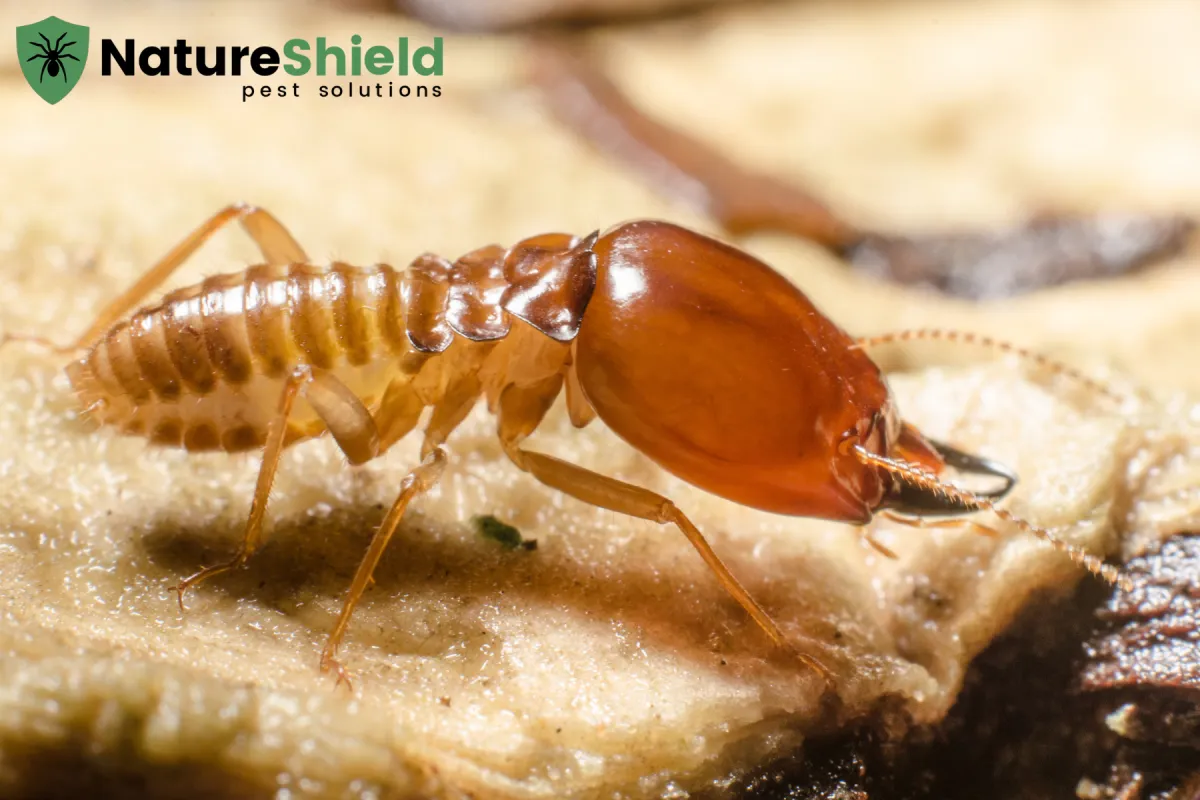
- Termite damage: Termites feed on wood and may create hidden tunnels inside it. Depending on the species, signs can include mud tubes, discarded wings, or small piles of droppings.
- Wood rot: Wood rot develops when fungi break down wood under suitable moisture conditions. Affected wood may become soft, crumbly, stringy, or weak.
- Moisture damage: Water exposure can cause wood to swell, warp, stain, or lose strength. Long-term moisture can also create conditions that allow wood rot to develop.
These problems can occur together. For example, a leaking pipe may damage a wooden frame while damp conditions around the property support certain termite species. Finding one problem does not rule out another.
Termite Damage vs. Wood Rot vs. Moisture Damage
| Sign | Termite Damage | Wood Rot | Moisture Damage |
| Wood texture | May contain tunnels or sound hollow | Often soft, crumbly, or stringy | May swell, warp, or soften |
| Surface appearance | May look normal despite internal damage | May crack or break apart | May show stains or peeling paint |
| Common clues | Mud tubes, discarded wings, or frass from certain species | Deteriorating wood fibers and possible fungal growth | Water stains, leaks, or damp areas |
| Main cause | Insects feeding on wood | Fungi breaking down wood | Exposure to water or excess moisture |
| Next step | Check for termite activity | Assess decay and moisture conditions | Find and correct the source of water |
These signs are useful clues, not final proof. A closer inspection may be needed to determine the cause, especially when the damage is hidden or several problems are present.
What Are the Warning Signs of Termite Damage?
Termites can damage wood without making their presence easy to spot. They often remain hidden inside wood or behind walls, so visible damage may appear only after the colony has been active for some time.
1. Hollow-Sounding Wood
One possible sign is wood that sounds hollow when tapped lightly. Some termites eat wood from the inside, leaving a thin outer layer that may still look normal.
You might notice this in door frames, baseboards, window frames, or other wooden parts of your home. However, a hollow sound alone does not confirm termite activity. Gaps behind the wood and other forms of damage can cause similar sounds.
2. Mud Tubes Along Walls or Foundations
Subterranean termites build narrow mud tubes to protect themselves as they travel between their colony and a food source. These tubes may appear along foundation walls, concrete surfaces, or wooden structures.
If you find a mud tube, take a photo and arrange an inspection. Avoid disturbing the area unnecessarily, as a professional can assess whether the tube is associated with current or past activity.
3. Discarded Wings Near Windows and Doors
Some termites swarm when reproductive termites leave a colony to establish new ones. After swarming, they may shed their wings.
Small piles of similar-looking wings near windows, doors, or other light sources can be a warning sign. Flying ants can also shed their wings, so an inspection may be needed to tell them apart.
4. Small Holes or Pellet-Like Droppings
Certain drywood termites push their droppings out through small openings in the wood. These droppings, called frass, may look like tiny pellets near damaged wood or below a wooden surface.
Not every termite species leaves this type of evidence. Look for other signs as well, and do not assume that every pile of small particles is termite frass.
Five signs worth checking for:
- Mud tubes along foundations or walls.
- Hollow or tunneled wood.
- Discarded wings near windows and doors.
- Small holes in wooden surfaces.
- Pellet-like droppings associated with certain drywood termites.
What Are the Signs of Wood Rot or Moisture Damage?
Wood rot and moisture damage often leave clues on the surface, especially when water has been entering the same area for a long time.
1. Soft, Crumbly, or Weak Wood
Wood affected by rot may break apart easily, feel soft, or have a stringy texture. In some cases, the damage can make a wooden board weak enough to break under pressure.
Unlike the tunnels often associated with termites, wood rot breaks down the wood itself. Still, both problems can occur in the same area, so texture alone may not be enough to identify the cause.
2. Water Stains, Swelling, and Peeling Paint
Water damage may appear as dark stains, swollen boards, bubbling paint, or peeling finishes. Wooden window frames, flooring, ceiling materials, and baseboards are common places to notice these changes.
These signs can point to a leaking pipe, roof leak, poor drainage, or water entering through gaps around windows and doors. Repairing the visible damage without addressing the source of the water may allow the problem to return.
3. Musty Smells or Fungal Growth
A musty smell can indicate long-term dampness, especially in basements, crawl spaces, and enclosed storage areas. You may also notice mold or mildew nearby.
However, mold on a surface does not automatically mean the wood has rotted. The important step is to find the source of moisture and determine whether the wood itself has started to break down.
4. Damage Near Leaks or Damp Areas
Pay close attention to wood near plumbing, roof edges, gutters, foundations, and poorly sealed windows. These areas may remain wet after a leak or repeated water exposure.
If damaged wood appears near a moisture source, arrange the necessary repair and check for other signs of deterioration. If you also notice evidence of insects, a termite inspection may be needed.
How Can You Check for Termite Damage or Wood Rot?
You can start with a careful visual check, but avoid cutting into walls, pulling apart wooden structures, or disturbing areas that may be unsafe.
Follow these steps to gather useful information:
- Examine the surface. Look for stains, peeling paint, cracks, holes, or wood that appears swollen or uneven.
- Check for insect evidence. Look for mud tubes, discarded wings, or small piles of pellet-like droppings.
- Look for moisture. Check for visible leaks, damp spots, condensation, or water collecting near the foundation.
- Note where the damage appears. Damage near a known leak may point to moisture, while mud tubes or other insect evidence may raise concern about termites.
- Take photos and note changes. Record when you first noticed the damage and whether it appears to be spreading.
- Arrange a professional inspection. If the cause remains unclear, an inspection can help determine the next steps.
Do not rely on one sign alone. Soft wood, for example, may result from decay, prolonged water exposure, or other damage. A professional can assess the available evidence and help identify the likely cause.
Can Termites and Moisture Damage Happen at the Same Time?
Yes. Termites and moisture-related damage can affect the same part of a property. Subterranean termites generally need moisture and soil access, while drywood termites have different moisture requirements.
A leaking pipe or damp crawl space may cause wood to decay while creating conditions that support certain pests. Treating insects alone will not fix an ongoing leak, and repairing a leak will not eliminate an established termite infestation.
If you suspect both problems, focus on these priorities:
- Address immediate safety concerns. If floors, beams, or other structural parts appear unstable, keep people away and seek a qualified assessment.
- Arrange a termite inspection. Have suspected insect activity checked so the appropriate treatment can be determined.
- Correct the moisture source. Repair leaks and address drainage or ventilation problems as needed.
- Assess the damaged wood. Determine whether repairs or replacement are necessary.
- Monitor the area. Watch for new insect evidence, recurring moisture, or continued deterioration.
The right order of work depends on the situation. Serious structural damage or an active leak may require immediate attention.
What Is the Biggest Myth About Termite and Moisture Damage?
Myth: If Wood Is Wet or Rotten, Termites Cannot Be the Cause
This is not true. Moisture damage and termite activity can occur together, and damp conditions may support certain termite species. At the same time, wet or rotten wood does not automatically mean termites are present.
Another common mistake is assuming that a fresh coat of paint will fix damaged wood. Paint may cover stains, but it will not stop a leak, eliminate termites, or restore wood that has lost its strength.
The better approach is to identify the cause before deciding how to repair the damage. This helps ensure that the treatment or repair addresses the actual problem instead of covering up the signs.
Applying Our Nature Shield Service Promise to Solve This
When homeowners are unsure whether damaged wood is caused by termites or moisture, a clear inspection and practical recommendations can help them decide what to do next. Nature Shield Pest Solutions focuses on reliable service, careful assessments, and effective pest management.
Experienced Technicians
Our experienced technicians can inspect accessible areas for signs of termite activity and help determine whether further investigation is needed. They use their knowledge of pest behavior and science-backed methods to recommend an approach suited to the property.
If the damage appears to involve wood rot or a structural concern, additional assessment by a qualified contractor or building professional may be necessary. Pest treatment alone cannot repair wood that has already lost its strength.
Affordable Prices
We believe customers should understand their options before moving forward with service. Clear recommendations help homeowners decide which steps are needed to address the pest problem and which repairs may need to be handled separately.
Homeowners searching for pest control in Ozark, MO can request an inspection to discuss their concerns and learn which service options may suit their property.
5 Star Service
Good service means keeping customers informed. We aim to make the process straightforward by explaining what our technicians find, answering questions, and helping customers understand what to expect from treatment and follow-up.
Our goal is to provide dependable support so customers can make informed decisions about protecting their homes.
100% Safe and Effective Solutions Using Science-Backed Methods
Nature Shield Pest Solutions is committed to effective pest management and responsible treatment practices. Our technicians select methods based on the pest, the property, and the conditions found during inspection.
Treatments should always follow product directions and relevant safety precautions. If you have children, pets, or specific concerns about treatment, tell your technician so these factors can be considered when planning the service.
For homeowners seeking pest control in Ozark, an inspection can help identify suspected termite activity and clarify the next steps.
How Can You Prevent Termite and Moisture Damage?
Preventing damage starts with keeping wood in good condition and reducing the conditions that attract pests or allow decay to develop.
- Fix leaks promptly. Repair plumbing leaks, roof damage, and gaps around windows or doors.
- Direct water away from the foundation. Clean gutters and downspouts, and make sure water drains away from the building.
- Reduce wood-to-soil contact. Keep untreated wood and stored lumber away from direct contact with the ground where practical.
- Keep outdoor areas tidy. Move scrap wood and firewood away from the building when possible.
- Inspect vulnerable areas. Check foundations, crawl spaces, wooden decks, and areas that have experienced leaks.
- Watch for changes. New mud tubes, discarded wings, or recurring damage deserve a closer look.
Regular checks can help you spot problems earlier, although they cannot guarantee that termites or moisture damage will never occur.
If you need an exterminator in Ozark, MO, Nature Shield Pest Solutions can help assess suspected termite activity and explain the available options. Professional assistance is especially useful when the signs are unclear, or the damage keeps returning.
People Also Ask
How can you tell if wood damage is caused by termites?
Look for signs such as mud tubes, hollow galleries, discarded wings, or pellet-like droppings from certain termite species. These clues can suggest termite activity, but a professional inspection may be needed to confirm the cause.
Does wood rot mean you have termites?
No. Wood rot usually develops when fungi break down wood under suitable moisture conditions. However, termites and wood rot can affect the same area, so check for signs of both problems.
Can water damage look like termite damage?
Yes. Peeling paint, discoloration, swelling, and weakened wood can resemble some signs of termite damage. Check for insect evidence and investigate nearby moisture sources before deciding what repairs are needed.
Is termite-damaged wood always hollow?
No. Some termites create tunnels inside wood while leaving the outer surface intact, but the extent of damage varies. The absence of a hollow sound does not rule out termites.
Should I replace wood damaged by termites or rot?
It depends on the extent of damage and whether the wood is still structurally sound. A qualified professional should assess damaged beams, joists, and other load-bearing parts before repairs are planned.
Get Help Identifying Suspected Termite Damage
Termite damage, wood rot, and moisture damage can look similar, but each requires a different response. Identifying the cause can help you choose the right treatment or repair before the damage becomes more extensive.
Nature Shield Pest Solutions offers experienced technicians, affordable prices, 5 Star Service, and science-backed pest management methods. Our team is committed to helping homeowners understand their options and feel confident about the next steps.
Contact us today to request a free inspection. If termites are responsible for the damage, our team can help you understand the appropriate pest control options and how to reduce the risk of future activity.