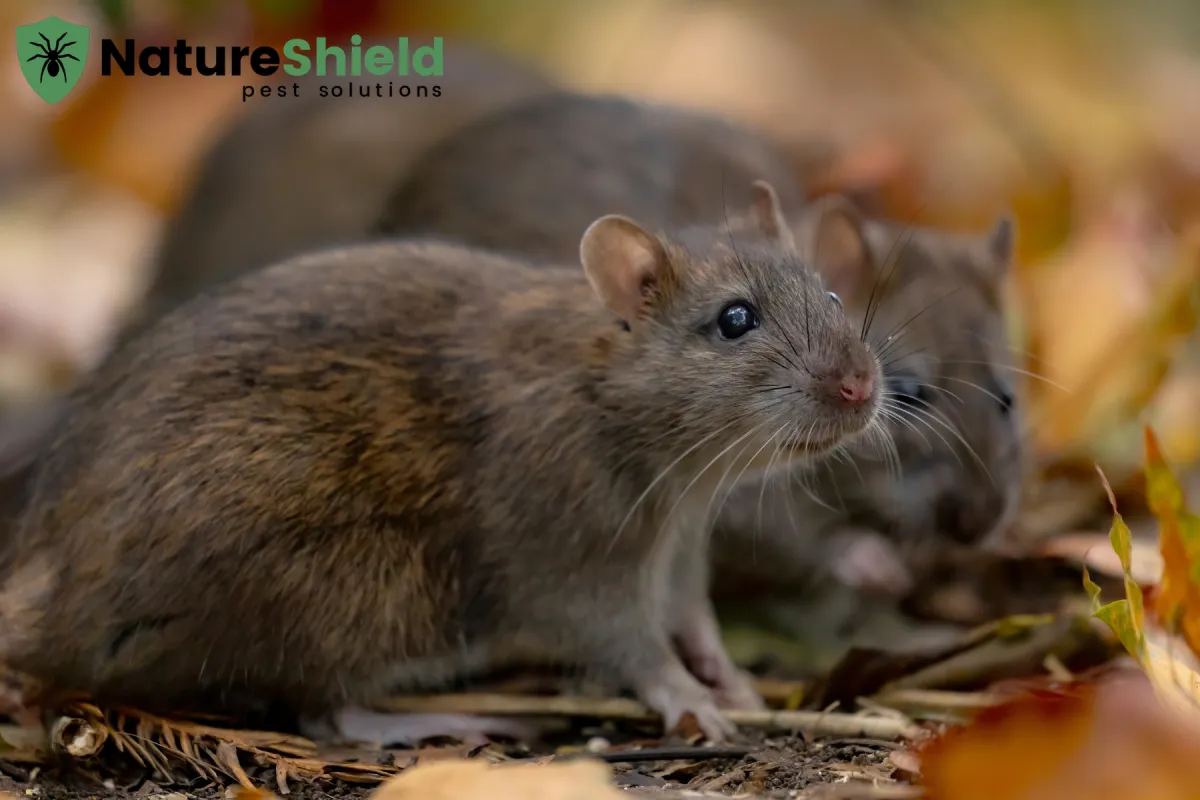
Most mouse and rat infestations require more than one pest control visit to resolve, although the exact number depends on the severity of the infestation, the type of rodent, and how easily the pests can access food and shelter. Some problems improve after the initial treatment, while others need several follow-up visits to monitor activity, adjust control methods, and address entry points. The goal is not just to reduce the number of rodents you see but to eliminate ongoing activity and prevent them from returning.
How Many Treatments Does a Rodent Infestation Usually Require?
No fixed number of treatments works for every property. A small, recently discovered mouse problem may respond to an initial service followed by a monitoring visit. A larger infestation involving multiple nesting areas, persistent food sources, or several entry points may require repeated treatments over several weeks.
The first visit typically focuses on identifying the rodent species, locating signs of activity, inspecting likely entry points, and choosing an appropriate control method. Depending on the findings, a technician may use strategically placed traps, approved rodent control products, monitoring devices, or a combination of methods.
Follow-up visits help determine whether the treatment is working. A technician can check traps and monitoring stations, assess fresh droppings or gnaw marks, and identify areas where rodents remain active. If the signs continue, the treatment plan may need adjustment.
The important factor is progress, not simply the number of visits. A good treatment plan addresses the infestation and the conditions allowing rodents to survive inside the property.
What Factors Affect the Number of Treatments Needed?
Several conditions influence how quickly a rodent problem can be brought under control.
1. The Size of the Infestation
A few signs of recent mouse activity may indicate a smaller problem, but droppings in multiple rooms, repeated sightings, or ongoing noises in walls and ceilings can point to a more established infestation. Larger populations may require more time to control because rodents can occupy several areas and use different routes to find food and shelter.
2. The Type of Rodent
Mice and rats behave differently, so treatment strategies may vary. House mice can squeeze through very small openings and often nest close to food sources. Rats are generally larger, may be more cautious around unfamiliar objects, and can travel between nesting sites and food sources.
Correctly identifying the rodent helps a technician select suitable traps, placement locations, and monitoring methods.
3. Entry Points and Nesting Areas
Rodents can keep entering a building if gaps around pipes, utility lines, doors, vents, or foundations remain open. Treating the rodents already inside may not solve the problem if others can continue to enter.
Sealing suitable entry points and checking for nesting activity are important parts of long-term control. Some repairs may require a qualified contractor, depending on the location and extent of the damage.
4. Access to Food and Water
Unsealed food containers, uncovered rubbish, pet food left out overnight, and accessible water can make a property attractive to rodents. When these resources remain available, rodents have reasons to stay.
Removing food and water sources makes the environment less inviting and supports the treatment plan.
5. The Layout and Condition of the Property
Cluttered storage areas, wall voids, attics, crawl spaces, and inaccessible sections of a building can make rodent activity harder to locate. A technician may need to monitor several areas before determining whether the infestation is under control.
How Long Does It Take to Get Rid of Mice or Rats?
Some infestations show improvement within days of treatment, but complete control can take longer. The timeline depends on rodent activity, the control methods used, the availability of food, and whether new rodents can enter the property.
During the first few days, you may notice fewer sightings or less noise. That is encouraging, but it does not automatically mean the infestation is gone. Rodents can remain hidden during the day, and activity may continue in areas that are difficult to access.
Over the following weeks, monitoring can help establish whether new droppings, gnaw marks, or other signs are appearing. If evidence of activity continues, a follow-up inspection can help identify what needs to change.
Avoid judging the outcome by a single quiet night or the absence of visible rodents. Consistent monitoring and attention to entry points provide a more reliable picture of whether the problem has been resolved.
Are Mice Harder to Eliminate Than Rats?
Neither mice nor rats are always easier to eliminate. The difficulty depends on the infestation and the conditions inside the building.
| Factor | Mice | Rats |
| Entry points | Can squeeze through very small gaps | Can enter through openings large enough for their bodies and may enlarge some gaps by gnawing |
| Typical activity | Often nest near food and sheltered indoor spaces | May travel between nesting sites and reliable food sources |
| Treatment considerations | Small size and hidden nesting areas can make activity difficult to locate | Cautious behavior and established travel routes may affect trap placement |
| Prevention priorities | Seal small gaps, secure food, and reduce clutter | Seal suitable openings, protect food and rubbish, and remove shelter |
Both rodents can reproduce quickly when conditions are favorable. A treatment plan should account for their behavior, the signs found during inspection, and the possibility of continued access from outside.
What Are the Signs That Rodents Are Still Active?
Seeing fewer rodents is encouraging, but it is not the only way to measure progress. Watch for signs that indicate whether activity is continuing.
- Fresh droppings: New droppings in cupboards, pantries, along walls, or near food storage areas may indicate ongoing activity.
- New gnaw marks: Rodents may chew packaging, wood, plastic, and other materials.
- Scratching or movement sounds: Noises in ceilings, walls, and attics may suggest rodents are using hidden spaces.
- Damaged food packaging: Torn bags or containers can indicate that rodents are accessing stored food.
- Nesting materials: Shredded paper, fabric, or insulation may be used to build nests.
- Repeated sightings: Seeing rodents after treatment can mean that additional monitoring or adjustments are needed.
Use caution when cleaning areas contaminated by rodent droppings or urine. Avoid sweeping or vacuuming droppings while dry, as this can stir contaminated particles into the air. Follow public health guidance for safe cleanup, or seek professional assistance when contamination is extensive.
Why One Treatment May Not Be Enough
A single visit may reduce rodent activity, but it cannot always address every factor contributing to an infestation. Rodents may be nesting in concealed spaces, using several entry points, or finding food in areas that were not immediately obvious.
There is also a difference between reducing activity and preventing a recurrence. Traps or other control measures address rodents present in the property, while exclusion and sanitation help reduce the chance of further problems.
Repeated activity does not automatically mean the initial treatment failed. It may indicate that the infestation was more extensive than first observed or that another source of entry needs attention. Follow-up inspections help determine the next appropriate step rather than relying on guesswork.
How Nature Shield Pest Solutions Approaches Rodent Control
Nature Shield Pest Solutions focuses on identifying the source of activity and recommending a practical treatment plan for the property. Rather than relying on a one-size-fits-all approach, trained technicians can assess the signs of infestation, determine suitable control methods, and explain what follow-up may be needed.
The company’s service approach reflects four key brand promises:
- Expert Service: Trained technicians use their knowledge of rodent behavior and pest management methods to assess the problem and recommend appropriate treatment.
- Affordable Prices: Clear, affordable service options help customers understand their choices without unnecessary confusion.
- 5 Star Service: Responsive communication and attentive customer care help customers understand what to expect before, during, and after service.
- 100% Safe and Effective Solutions: Nature Shield emphasizes effective pest management and careful application practices. Every property is different, so treatment methods should be selected and applied according to product directions, site conditions, and relevant safety precautions.
Customers looking for pest control in Jefferson City, MO can request an inspection to help determine the extent of the rodent problem and what the property needs. A professional assessment can also identify potential entry points and conditions that may be contributing to recurring activity.
How Can You Prevent Mice and Rats from Returning?
Prevention is an important part of lasting rodent control. Once the immediate activity has been addressed, take steps to make the property less attractive to rodents.
Seal entry points. Inspect gaps around pipes, utility lines, doors, vents, and the foundation. Use suitable rodent-resistant materials and repair damaged screens or door sweeps where needed.
Store food securely. Keep dry goods in tightly sealed containers and clean up crumbs or spills promptly. Avoid leaving pet food out overnight when possible.
Manage rubbish properly. Use bins with secure lids and keep waste storage areas clean. Remove rubbish regularly instead of allowing it to accumulate.
Reduce clutter. Organize garages, storage rooms, attics, and other areas where rodents could hide or nest. Keep stored items off the floor where practical and avoid piling materials against walls.
Address outdoor conditions. Trim vegetation near the building, remove unnecessary debris, and store firewood away from exterior walls when possible. These steps can reduce sheltered areas close to the property.
Monitor for new activity. Check previously affected areas for fresh droppings, gnaw marks, or unusual sounds. Addressing early signs can help prevent a small problem from becoming a larger infestation.
Homeowners seeking exterminators in Jefferson City, MO should ask whether the proposed service includes inspection, monitoring, and recommendations for preventing future rodent access. These details help clarify what the service covers and whether additional visits may be appropriate.
When Should You Call a Pest Control Professional?
Consider professional help if you continue to see rodents after using traps, find signs of activity in several rooms, hear movement inside walls or ceilings, or discover damage to wiring and building materials. Rodent activity can also pose food contamination concerns, especially in kitchens, pantries, and food storage areas.
Professional assistance is particularly useful when the nesting areas are difficult to reach or the source of the infestation is unclear. A technician can inspect the property, recommend suitable control measures, and explain how monitoring and exclusion fit into the plan.
For reliable Jefferson City pest control, Nature Shield Pest Solutions offers free inspections so customers can discuss their concerns and understand their service options. If pests persist after a covered service, the company’s guarantee may provide for a return visit at no additional charge, subject to the applicable service terms.
Frequently Asked Questions
How many treatments are needed to get rid of mice?
Some smaller infestations improve after an initial treatment, while others require follow-up visits. The number depends on the extent of activity, access to food, nesting locations, and whether entry points have been sealed.
How many treatments are needed to eliminate rats?
Rat control may require repeated monitoring and adjustments, especially when rats have established nesting areas or continue to enter the building. An inspection helps determine an appropriate plan for the property.
How long after treatment will rodents disappear?
Activity may decrease within days, but that does not guarantee the infestation has been eliminated. Monitoring over time helps confirm whether signs of activity have stopped.
Why do I still see mice after pest control?
Rodents may remain in hidden areas, new rodents may be entering the property, or the initial infestation may be larger than expected. A follow-up inspection can help identify the cause and determine whether the treatment plan needs adjustment.
Can I get rid of mice and rats without professional help?
Traps, secure food storage, sanitation, and sealing entry points can help with some rodent problems. However, extensive infestations or activity in inaccessible areas may require professional assessment and treatment.
Does Nature Shield Pest Solutions offer rodent inspections?
Nature Shield Pest Solutions promotes free inspections to help customers assess pest concerns and understand their service options. Contact the company to discuss the signs you have noticed and the next steps for your property.
Get Help With a Rodent Infestation
Rodent control involves more than removing the mice or rats you can see. Identifying entry points, reducing access to food and shelter, and monitoring for continued activity all contribute to a more effective long-term solution.
Nature Shield Pest Solutions combines expert service, affordable prices, 5-star service, and a commitment to safe and effective solutions to help customers address rodent problems with a clear plan. Request a free inspection to discuss your concerns, receive service recommendations, and understand what follow-up may be needed.
Call us today to request your free quote.