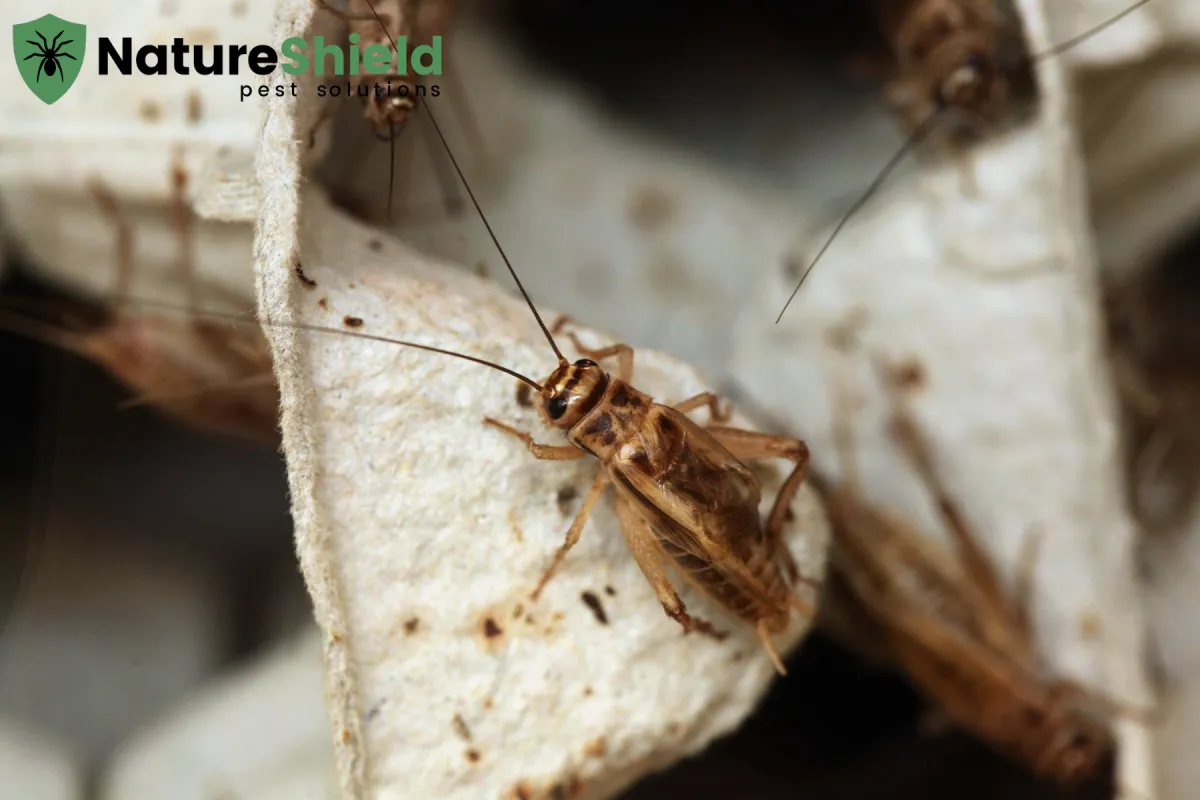
You can tell indoor crickets are coming from your yard if you identify dark black Field Crickets near ground-level entries, notice chirping peaks following heavy rainfall or lawn mowing, and find clusters near basement doors, weep holes, or sliding patio tracks. Outdoor-originating crickets migrate indoors seeking moisture when exterior soil dries out or becomes oversaturated.
4 Key Indicators of Yard-Originated Cricket Invasions
Identifying where jumping pests enter your living space helps you target lawn harborage areas and secure physical barriers before populations multiply.
| Diagnostic Metric | Outdoor-Originating Crickets (Field Crickets) | Indoor-Breeding Crickets (House & Cave Crickets) |
| Physical Appearance | Jet-black to dark reddish-brown, robust body | Light yellowish-brown with dark bands or humpbacked |
| Primary Entry Corridors | Door thresholds, weep holes, basement window wells | Wall void plumbing penetrations, sub-floor vents |
| Indoor Lifespan Capability | Limited; usually dies within weeks without outdoor humidity | High; can complete full reproductive lifecycles indoors |
| Seasonal Peak Activity | Late summer and early autumn weather shifts | Year-round presence in damp basements or crawl spaces |
4-Step Process: Identifying Outdoor Cricket Corridors
- Step 1: Species Identification
Check the color and body shape of the insects inside your home. Dark brown or jet-black Field Crickets originate outdoors in lawn soil and leaf litter, whereas lighter yellowish-brown House Crickets can breed inside drywall voids. - Step 2: Track Ground-Level Entry Points
Note where you discover insects most frequently. Activity clustered around basement windows, patio sliding doors, garage threshold seals, and brick weep holes points directly to an outdoor migration pathway. - Step 3: Monitor Weather-Driven Spikes
Watch for sudden indoor sightings immediately following hot summer droughts or heavy rainstorms. Rapid shifts in soil moisture force lawn pests to flee outdoor habitats and seek indoor shelter. - Step 4: Inspect Outdoor Harborage Zones
Examine flower beds, leaf piles, and dense mulch stored right against your foundation walls. High populations thriving in damp garden soil create heavy pressure on nearby door sweeps and basement vents.
DIY Traps vs. Professional Perimeter Barrier Protection
Comparing temporary indoor sticky traps with a comprehensive outdoor barrier treatment shows why exterior management provides better long-term protection.
| Feature / Metric | DIY Indoor Traps & Aerosol Sprays | Professional Exterior Barrier Defense |
| Target Treatment Zone | Indoor floorboards and visible corners | Foundation perimeters, mulch beds, and lawn edges |
| Entry Prevention | None; catches insects only after they enter | Micro-encapsulated barrier stops pests at the foundation line |
| Long-Term Efficacy | Degrades quickly; requires manual trap replacement | Continuous residual shield effective for up to 90 days |
| Structural Protection | Limited to surface areas | Covers brick weep holes, window wells, and threshold gaps |
Applying Our Advanced Protective Framework to Solve This
At Nature Shield Pest Solutions, our team brings trusted expertise to every property inspection. We combine friendly care with long-lasting pest defense:
- Experienced Technicians: Our experienced technicians perform detailed property audits, identifying hidden moisture pockets in your lawn and sealing foundation cracks where pests crawl inside.
- Top-Notch Customer Service: Our team delivers top-notch customer service on every visit, taking time to explain our treatment steps clearly and answering your questions with approachable care.
- Targeted Pesticide Formulations: We apply specialized micro-encapsulated pesticide treatments along exterior foundation lines and mulch beds, creating a long-lasting protective barrier that stops jumping insects.
- 100% Safe and Effective Solutions: We prioritize your family’s safety by utilizing 100% safe and effective solutions designed to secure indoor spaces while keeping pets and children protected.
Common Misconception: “Crickets Breed Continuously Inside Dry Living Room Carpets”
The Myth: All crickets that enter your home will build permanent breeding colonies inside dry carpets, closets, and furniture.
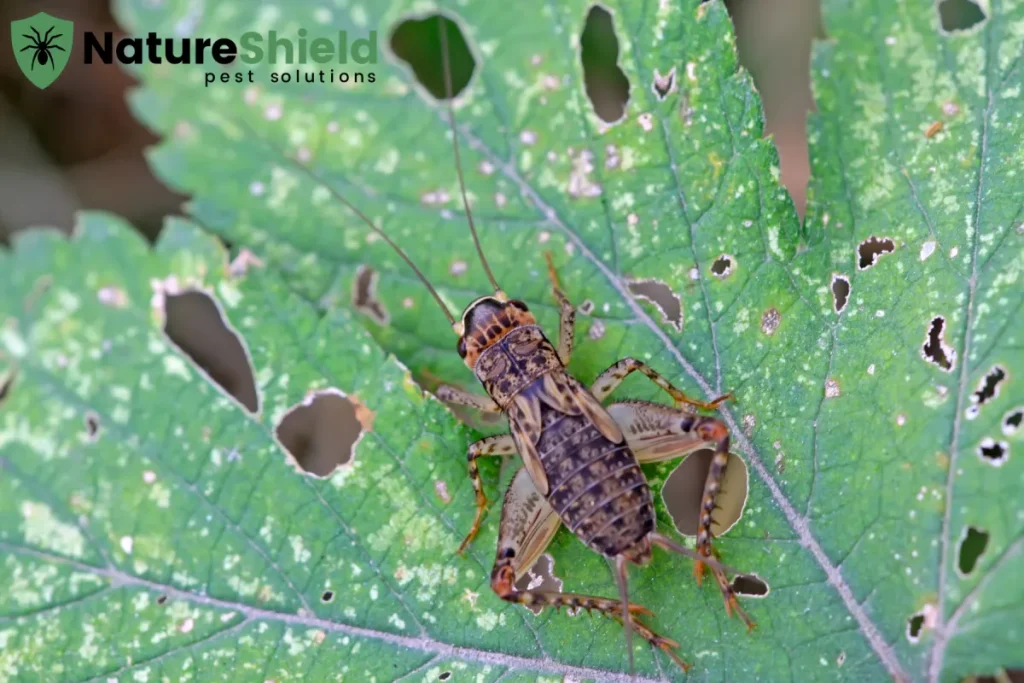
The Reality: Most indoor sightings involve black Field Crickets that enter accidentally from exterior lawns. Field crickets require high outdoor humidity and moist soil to lay eggs successfully. They cannot reproduce in dry living rooms and will dehydrate within days unless they find access to water or damp basement corners.
Technical Specifications & Cricket Migration Terminology
- Gryllidae (Field Cricket): The scientific family of robust, dark-colored ground crickets that inhabit outdoor turfgrass, leaf litter, and garden beds.
- Acoustic Stridulation: The mechanism by which male crickets rub their forewings together to create chirping sounds to attract mates and mark territory.
- Ecotone Migration Corridor: The physical pathway, such as unsealed door thresholds or foundation gaps, that pests use to travel between outdoor landscaping and indoor environments.
- Desiccant Dust Treatment: A micro-dust formulation applied inside dark wall voids and crawl spaces to absorb protective insect waxes and prevent indoor harborage.
Why Property Owners Need Professional Cricket Services
Thick garden mulch and unsealed foundation vents allow outdoor pests to gather in large numbers during hot, dry weather.
During a recent property audit for a home, our technician discovered dozens of field crickets gathering along basement sliding door tracks. The homeowner had placed sticky traps inside the living room, but insects kept entering from a damp mulch bed right outside. Our team applied a targeted perimeter treatment along the foundation and sealed the lower door gaps, stopping the invasion completely.
Partnering with an experienced exterminator in Ozark, MO ensures that every exterior harborage zone near your home is evaluated. Trained technicians spot subtle structural gaps that standard home maintenance misses.
If loud night chirping and crawling insects are disturbing your family, securing reliable pest control in Ozark, MO restores complete quiet and comfort. Customized treatment plans stop lawn pests before they cross your threshold.
Investing in dependable pest control in Ozark protects your home from seasonal pest surges throughout the year. Scheduled visits keep your exterior defense line strong across every season.
People Also Ask
Why do black crickets suddenly enter my home in late summer?
In late summer, adult field crickets reach peak population sizes outdoors while cooling evening temperatures and drying vegetation force them to seek shelter, moisture, and warmth near structural foundations.
Do indoor crickets cause structural damage to clothing or furniture?
Field crickets do not cause structural wood damage, but large numbers trapped indoors can chew small holes in natural fabrics, paper, wallpaper, and upholstered furniture if food sources are scarce.
Can outdoor lighting attract lawn crickets toward home foundations?
Yes. Bright white exterior floodlights and porch lights attract night-flying crickets from surrounding yards toward your foundation walls, increasing indoor entry opportunities.
How quickly does a professional perimeter treatment stop cricket entries?
Professional liquid and granular perimeter barriers stop incoming yard crickets within 24 to 48 hours, creating an active barrier that lasts 60 to 90 days.
Protect Your Home with Nature Shield Pest Solutions
At Nature Shield Pest Solutions, our goal is to give you total peace of mind by delivering trusted, high-quality pest control services. We combine regional expertise with responsive customer care, ensuring your property remains secure and comfortable all year round.
We offer guaranteed, family-safe treatments tailored to your property’s specific layout. Whether you need cricket control, general insect prevention, or specialized rodent suppression, our licensed technicians deliver efficient, long-lasting results you can rely on.
Ready to stop lawn pests and enjoy a quiet home? Contact us today to schedule your free inspection!