Why Do Silverfish Eat Wallpaper and Books? Understanding Their Diet
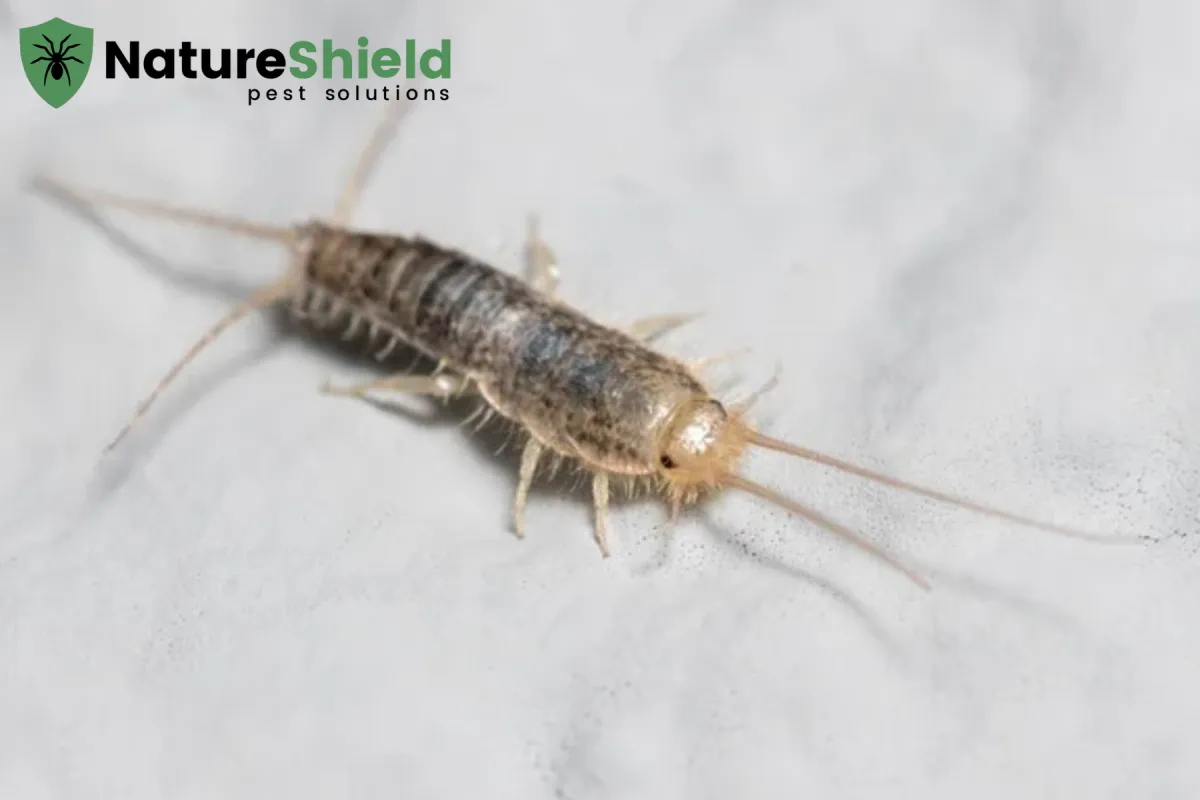
Silverfish consume wallpaper and books because they are specialized scavengers that require a diet high in starches, polysaccharides, and cellulose. They specifically target the starch-based adhesives in wallpaper paste and the cellulose-rich fibers and organic glues found in book bindings to fuel their growth and reproduction.
The Biological Drive: Why Silverfish Target Your Library
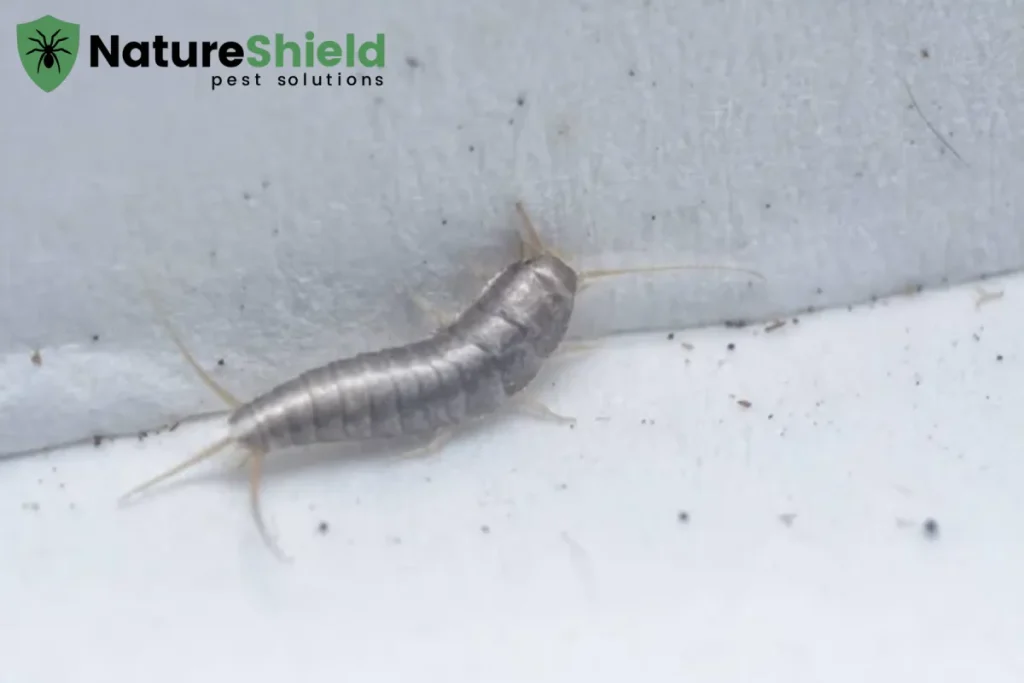
Silverfish (Lepisma saccharinum) are living fossils, having remained largely unchanged for over 400 million years. This longevity is due to a highly efficient digestive system; silverfish possess the rare ability to produce cellulase, an enzyme that allows them to break down cellulose into usable energy. When a silverfish enters your home, it is hunting for complex carbohydrates found in the very items we use to decorate or document our lives.
To a silverfish, a bookshelf is a high-calorie buffet. They are particularly attracted to older books because traditional bookbinding often utilized animal-hide glues and wheat starch pastes. If you suspect these insects are damaging your collection, seeking professional pest control in California, MO, can help identify the extent of the activity before your library is permanently damaged.
Why Your Books are a Buffet
- The Glue (Adhesives): Traditional bookbinding uses organic glues rich in proteins and starches.
- The Paper (Cellulose): Silverfish “graze” on paper surfaces, extracting glucose directly from the fibers.
- The Surface (Sizing): High-quality papers are often treated with “sizing,” a glaze made of starch or gelatin, which silverfish scrape off, leaving behind thinning patterns.
Comparing Household Targets: Wallpaper vs. Books
Silverfish’s choice between wallpaper and books often depends on humidity. During a recent audit for a firm in our service area, our technicians noted that silverfish activity peaked where humidity had softened the wallpaper adhesive, making the paste easier to ingest.
| Feature | Wallpaper | Books & Manuscripts |
| Primary Nutrient | Polysaccharide (Starch Paste) | Cellulose & Protein (Glues) |
| Attraction Level | High (large surface area) | Very High (dark crevices) |
| Damage Type | Peeling, thinning, and yellowing | Notched edges, surface grazing |
| Moisture Role | Traps humidity behind paper | Absorbs ambient moisture |
In many homes, the space behind wall coverings provides a dark, humid microclimate. As the paste ages, it becomes a primary food source, which is why homeowners often require the help of experienced exterminators in California, MO, to treat the voids behind the walls.
The Nature Shield Proprietary Service Protocol
At Nature Shield Pest Solutions, we address silverfish through a specific, five-pillar protocol. We don’t believe in one-size-fits-all treatments; instead, we provide the following:
- Expert Service: Every technician is licensed and trained to identify the root cause of an infestation.
- Affordable Prices: We offer transparent, competitive rates for both residential and commercial properties.
- 5 Star Service: Our reputation is built on being professional, reliable, and customer-focused.
- Protection from dozens of common pests: We don’t just stop silverfish; we create a comprehensive barrier against spiders, ants, and more.
- 100% safe and effective solutions: We use advanced pest control techniques that are safe for your family and pets.
- Free Inspections: We provide a professional evaluation of your home at no cost.
Debunking the “Cleanliness Myth”
A common industry misconception is that silverfish infest only poorly maintained homes. However, as leaders in California pest control, we frequently see infestations in pristine environments. Silverfish are “hitchhikers” that enter homes inside cardboard boxes, used books, or new building materials. Because they can survive for nearly a year without food, their presence reflects moisture and structural accessibility, not your housekeeping skills.
Prevention Specifications & Features
To protect your property, you must focus on environmental modification. Silverfish thrive in environments with over 75% humidity, making moisture control your best defense.
- Dehumidification Specs
- Capacity: 30-50 pint dehumidifier for basements.
- Target Setting: Maintain a Relative Humidity (RH) of 45% to 50%.
- Storage Features
- Material: Transition to polypropylene (PP) plastic bins.
- Seal Type: Use airtight “click-lock” seals to prevent entry.
- Adhesive Upgrades
- Type: Use synthetic resin-based pastes for repairs.
- Benefit: These lack the organic starch that attracts pests.
People Also Ask
Do silverfish eat clothes, too?
Yes. They are attracted to natural fibers like linen, silk, and cotton, especially if the fabric has been “sized” with starch or contains food residues.
Can silverfish bite humans?
No. Their mouthparts are designed for scraping and chewing soft organic materials; they lack the jaw strength to bite humans or pets.
Are silverfish harmful to my house structure?
While they won’t collapse a house like termites, they cause significant cosmetic damage to wallpaper, drywall, and expensive paper-backed insulation.
Conclusion: Protect Your Home Today
Silverfish are persistent, but they are not invincible. By controlling moisture and removing their food sources, you can take the first steps toward a pest-free home. If an infestation has already taken root in your library or behind your walls, professional intervention is necessary to break the breeding cycle.
Don’t let these scavengers ruin your valuables. Trust the professional, reliable, and customer-focused team at Nature Shield Pest Solutions to restore your peace of mind.
Ready to secure your home?
Call us today to assess your pest problem. Our team is standing by to deliver effective, safe, and long-lasting pest solutions in Springfield, Columbia, and Saint Joseph.