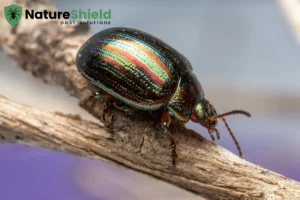
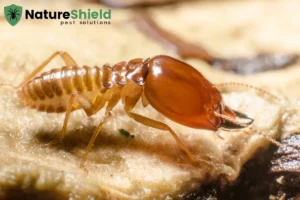
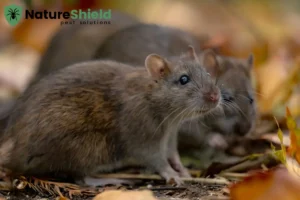
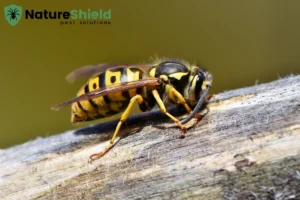
A pest inspection may be necessary when you notice recurring pest sightings, droppings, unexplained property damage, nesting materials, or other signs of activity that you cannot confidently identify. These clues can indicate a pest problem, although no single sign always confirms an infestation. Recognizing the evidence early can help you determine what to check, what to avoid disturbing, and when professional assessment may be appropriate.
What Are the Warning Signs That You Need a Pest Inspection?
Pests are not always visible during the day, and some infestations develop in concealed areas. Paying attention to changes around your home can help you identify potential problems before they become more difficult to assess.
Common warning signs include:
- Recurring pest sightings: Repeatedly seeing ants, cockroaches, rodents, or other pests may indicate an ongoing source of activity.
- Droppings or unusual residue: Small droppings, insect waste, or other unexplained material may provide clues about pest presence.
- Gnaw marks or damaged materials: Rodents and certain other pests can damage packaging, stored belongings, wood, and building materials.
- Unusual sounds: Scratching or movement inside walls, ceilings, or enclosed spaces may warrant investigation, although plumbing, building movement, and other sources can produce similar sounds.
- Nesting materials: Shredded paper, insulation fragments, or other collected materials may suggest nesting activity when accompanied by additional evidence.
- Damaged wood: Certain insects, including termites and carpenter ants, can damage wood in different ways.
- Recurring insect activity: Repeated clusters of insects or trails around the same areas may indicate a nearby nesting or breeding source.
One isolated sighting does not necessarily mean a property has an established infestation. However, repeated activity, multiple types of evidence, or signs of damage deserve closer attention.
What Could Each Pest Warning Sign Mean?
Understanding what you observe can help you decide what to investigate next. The same sign may have different explanations depending on the pest, location, and surrounding conditions.
Repeated Pest Sightings
Seeing a pest once may mean it entered accidentally. Repeated sightings in the same area, however, may suggest an accessible food source, an entry point, or nearby nesting activity.
Pay attention to where and when the pests appear. For example, repeated sightings near food storage areas may warrant checking for crumbs, spills, and gaps around cabinets. Rodent sightings near storage spaces may justify inspecting accessible areas for droppings, gnaw marks, or other evidence.
Avoid assuming that every sighting identifies the location of a nest. Some pests travel between nesting areas and food or water sources.
Droppings and Unexplained Residue
Droppings may indicate rodent or other pest activity, but appearance alone may not reliably identify the source. Other debris can sometimes be mistaken for pest evidence.
If you find suspected droppings, avoid touching or sweeping them dry. Rodent waste can carry pathogens, and disturbing contaminated material may expose people to harmful particles. Follow public-health guidance for safe cleanup or seek qualified assistance when the amount, location, or suspected contamination makes cleanup difficult.
Take note of where the material appears and whether you find other signs nearby. This information may help a professional assess the situation.
Gnaw Marks and Damaged Materials
Chewed food packaging, damaged wires, holes in stored items, and marks on building materials may indicate rodent activity or another source of damage.
Inspect the surrounding area for additional evidence, but do not touch exposed or damaged electrical wiring. If wiring may have been compromised, arrange for a qualified electrician to assess it.
Wood damage also requires careful interpretation. Termites and carpenter ants can both affect wood, but they do so differently. Moisture, decay, and ordinary building wear may also cause damage, so the appearance of damaged wood alone cannot confirm a pest infestation.
Unusual Sounds or Odors
Scratching, scurrying, or movement sounds inside walls and ceilings may be associated with rodents or other animals. Unusual odors may also occur around concealed nesting areas or accumulated waste.
However, these signs are not definitive. Plumbing issues, ventilation problems, moisture, and building movement can produce similar symptoms. If the sounds or odors persist, note their location and timing and consider an appropriate inspection rather than assuming pests are responsible.
Nesting Materials and Insect Activity
Shredded paper, fabric, insulation fragments, and other collected materials may suggest nesting when found alongside droppings, tracks, or repeated pest sightings.
Similarly, recurring ant trails, cockroach activity, or clusters of insects may indicate a nearby source. The correct response depends on the species and the conditions supporting the activity.
Do not disturb an unknown nest or apply pesticides indiscriminately. Identifying the likely pest first helps determine the appropriate next step.
Which Pest Signs Need Prompt Attention?
Some signs deserve faster action because they may involve contamination, property damage, or a safety concern.
Consider arranging prompt professional assessment when you notice:
- Repeated rodent activity indoors: Especially near food storage, kitchens, or areas where droppings and gnaw marks are present.
- Possible termite or carpenter-ant damage: Particularly when wood damage is recurring or its cause is unclear.
- Pests in multiple areas: Activity across several rooms may suggest a wider problem or multiple entry points.
- Persistent signs in inaccessible spaces: Evidence inside wall voids, ceilings, crawl spaces, or enclosed structural areas can be difficult to assess safely.
- Recurring activity despite preventive steps: Continued sightings after removing food sources and sealing accessible gaps may indicate an unresolved source.
- Potentially contaminated materials: Significant amounts of droppings, nesting material, or suspected pest waste may require specialized cleanup.
If damaged wiring, a suspected gas leak, or another immediate safety hazard is involved, contact the appropriate qualified professional or emergency service. Pest control alone may not address the underlying risk.
What Can You Check Before Scheduling a Pest Inspection?
A few simple observations can help clarify the problem and make a professional assessment more useful. You do not need to locate a nest or handle pest evidence yourself.
Record Where and When Activity Occurs
Write down the rooms or outdoor areas where you notice pests, the time of day, and whether sightings are becoming more frequent. If safe, photographs taken from a distance can help document visible evidence.
Avoid touching unknown insects, droppings, nests, or contaminated materials just to obtain a closer look.
Check for Accessible Food and Water Sources
Look for uncovered food, crumbs, leaking pipes, standing water, and poorly sealed waste containers. Correcting these conditions may reduce some pest attractants, although it will not necessarily resolve an established infestation.
If you discover a leak or persistent dampness, address the moisture problem as well as any suspected pest activity.
Inspect Accessible Entry Points
Check door gaps, damaged screens, openings around utility lines, and visible cracks where pests may enter. Seal appropriate gaps when doing so will not conceal an active nest or interfere with building ventilation or drainage.
Do not enter confined spaces, climb into unsafe areas, or dismantle structural components to investigate suspected pests.
Keep Track of Previous Control Attempts
If you have already used a bait or another control product, record what was used and when. Follow the product label and avoid applying additional products simply because activity continues.
This information can help a professional understand what has already been attempted and whether the current approach needs reassessment.
What Happens During a Professional Pest Inspection?
A professional pest inspection is intended to evaluate available evidence, identify likely pests, and determine what action may be appropriate. The exact process depends on the property, the suspected pest, and the areas that can be accessed safely.
1. Review the Reported Signs
The inspection may begin with a discussion of the sightings, damage, droppings, sounds, or other concerns you have noticed. Information about when the signs first appeared and where they recur can help focus the assessment.
Photographs and notes may be useful, but they do not always replace an on-site examination.
2. Examine Relevant Areas
Depending on the suspected pest, the inspector may examine accessible entry points, food and moisture sources, storage areas, exterior conditions, and locations where signs have been reported.
Not every concealed area can be inspected without additional access or specialist work. A responsible assessment should explain any limitations rather than claim that every possible hiding place has been checked.
3. Identify Likely Pests and Contributing Conditions
The inspector may use visible evidence, pest characteristics, and the surrounding conditions to determine which pest is most likely involved. Where evidence is inconclusive, further investigation may be needed.
The assessment should distinguish confirmed observations from possibilities. For example, a hole in wood does not automatically prove termite activity, and scratching sounds do not independently establish that rodents are present.
4. Discuss Suitable Next Steps
Recommendations may include sanitation, moisture management, sealing appropriate entry points, targeted pest treatment, monitoring, or further evaluation by another qualified professional.
The right approach depends on the findings. Any pesticide use should follow applicable requirements and product-label directions, including precautions relevant to children, pets, and food preparation areas.
A useful inspection should leave you with a clearer understanding of the evidence, the recommended actions, and any limitations or follow-up needs.
When Should You Call a Pest Control Professional?
Professional assistance may be appropriate when signs persist, the suspected pest is difficult to identify, or investigating the problem would involve inaccessible or potentially unsafe areas.
Homeowners researching pest control in Boonville, MO should look for providers that explain how they assess reported evidence and determine which control options are appropriate.
Before arranging an inspection, consider asking:
- What types of signs will be assessed?
- Will the inspection cover relevant indoor and outdoor areas?
- How will the provider distinguish confirmed pest activity from possible causes?
- What treatment or prevention options may be recommended?
- Are there preparation steps or safety precautions to follow?
- Will follow-up be recommended if activity continues?
When comparing Boonville pest control options, prioritize clear explanations and recommendations based on the conditions found at your property rather than blanket promises of complete or permanent pest elimination.
For property owners considering pest control in Boonville, a professional assessment may be especially helpful when recurring activity or suspected structural damage cannot be explained by a basic visual check.
How Can You Reduce the Risk of Future Pest Problems?
Regular maintenance can reduce common pest attractants and help you notice new activity earlier. Although prevention cannot guarantee a pest-free property, it can address several conditions that support common household pests.
- Store food in sealed containers and clean up spills promptly.
- Empty waste containers regularly and keep them clean.
- Repair plumbing leaks and address persistent moisture.
- Seal suitable gaps around doors, windows, and utility openings.
- Keep storage areas organized and inspect them periodically.
- Maintain window and door screens.
- Remove unnecessary debris near the building.
- Monitor recurring signs instead of assuming that a temporary reduction in activity means the problem is resolved.
Prevention works best when it matches the pest and the conditions contributing to its presence. If warning signs continue despite reasonable maintenance, reassess the situation rather than relying on the same steps indefinitely.

Frequently Asked Questions
What are the earliest signs of a pest infestation?
Early signs may include repeated pest sightings, droppings, insect trails, damaged packaging, gnaw marks, or nesting materials. The significance of each sign depends on the pest and the surrounding conditions.
Does seeing one pest mean I have an infestation?
Not necessarily. A single pest may have entered accidentally. Repeated sightings, multiple signs, or evidence of damage may warrant a closer assessment.
Should I clean up pest droppings myself?
It depends on the pest, the amount of waste, and the location. Avoid touching or sweeping suspected rodent droppings dry. Follow relevant public-health guidance and seek qualified assistance when contamination is extensive or difficult to manage safely.
What happens if a pest problem is left unaddressed?
Depending on the pest, activity may continue, contamination may accumulate, or property damage may worsen. The outcome varies, so persistent signs should be assessed rather than assuming the problem will resolve on its own.
Does a pest inspection automatically include treatment?
Not always. An inspection evaluates the available evidence and helps determine appropriate next steps. Treatment may be recommended if warranted, but the scope and cost should be clarified with the provider.
Need Help Assessing Possible Pest Activity?
There is no single inspection schedule suitable for every property. Frequency depends on pest history, building conditions, local risks, and whether signs have already appeared. Nature Shield Pest Solutions can help assess your property’s pest concerns and recommend appropriate inspection or follow-up based on the circumstances.
If you have noticed recurring pest sightings, unexplained damage, or signs you cannot confidently identify, contact us today to discuss your concerns and determine whether a professional inspection may be appropriate.
LEARN MORE HERE:
Protecting Public Health: Pest Control Columbia MO