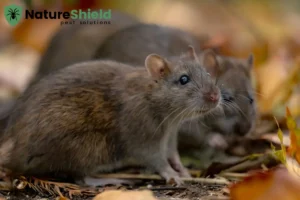
Rat treatment is only one part of protecting your home from recurring rodent activity. After treatment, homeowners should follow the technician’s instructions, address potential entry points, remove food and shelter sources, and watch for signs of continued activity. These steps can help reduce the likelihood of rats returning, although no prevention plan can guarantee a home will remain rodent-free permanently.
What Should You Do Immediately After Rodent Treatment?
Start by understanding what the treatment addressed and which follow-up steps may still be needed. Depending on the approach used, rodent management may involve traps, bait stations, exclusion work, or a combination of methods.
Before considering the process complete, clarify the following:
- Treatment instructions: Ask whether any areas need to remain undisturbed and whether specific precautions apply to traps or bait stations.
- Outstanding repairs: Find out whether entry points, damaged vents, or other structural openings still need attention.
- Monitoring expectations: Understand which signs of activity to watch for and when a follow-up inspection may be appropriate.
- Safety precautions: Keep children and pets away from restricted areas and follow all product-label instructions provided by the technician.
Avoid moving traps, handling bait, or changing the treatment setup without appropriate guidance. If you find a dead rodent, droppings, or other potentially contaminated material, follow recommended safety procedures before cleaning it up.
How Can You Prevent Rats From Returning?
Preventing recurring rodent activity requires more than removing the rats already inside a property. Homeowners should also address the conditions that allow rodents to enter, find food, and establish shelter.
1. Seal Potential Entry Points
Inspect the areas where utility lines, pipes, vents, and other building components pass through exterior walls. Check garage doors, foundation openings, damaged screens, and gaps around doors for potential access points.
Rats can enter through surprisingly small openings, so repairs should account for the size of the gap and the materials involved. Use durable, rodent-resistant materials suitable for the specific location. Expanding foam alone may not provide adequate protection against gnawing.
If you cannot determine where rodents are entering, a professional inspection may help identify likely access points and suitable exclusion measures.
2. Remove Accessible Food Sources
Food availability can encourage rodents to remain near a property even after treatment. Store dry goods and pet food in secure, rodent-resistant containers, and avoid leaving food exposed overnight.
Additional precautions include:
- Clean food spills and crumbs promptly.
- Keep kitchen counters and food preparation areas clean.
- Store pet food securely between feedings.
- Use garbage containers with tightly fitting lids.
- Clean up fallen fruit and other edible debris outdoors.
These habits reduce opportunities for rodents to feed, although sanitation alone may not resolve an established infestation.
3. Reduce Outdoor Shelter and Clutter
Rats may shelter in undisturbed areas around buildings, including dense vegetation, accumulated debris, storage piles, and spaces beneath outdoor structures.
Keep vegetation appropriately maintained near the building, remove unnecessary clutter, and store firewood or other materials away from exterior walls where practical. Check sheds, garages, and storage areas for signs of rodent activity.
The goal is to make the property less attractive to rodents while maintaining the normal functions of outdoor spaces.
4. Check the Building’s Exterior Regularly
Seasonal maintenance can reveal conditions that may increase the risk of rodent entry. Inspect weather stripping, door sweeps, vents, screens, and areas around pipes for deterioration or gaps.
After storms, construction work, or landscaping changes, check whether any new openings or disturbed areas need attention. Addressing these problems early may help reduce future access opportunities.
How Can You Tell Whether Rats Are Still Active After Treatment?
Finding evidence of rodents after treatment does not automatically mean the treatment failed. Some signs may have been present before the work began, and the expected response depends on the method used and the extent of the activity.
Look for changes such as:
- Fresh droppings: New droppings in previously cleaned areas may indicate continued activity.
- New gnaw marks: Recently damaged packaging, wood, or other materials can suggest that rodents are still present.
- Disturbed food or garbage: Repeated signs of feeding or scattered waste may indicate access to an available food source.
- Scratching or movement sounds: Recurring noises in walls, ceilings, or storage spaces may warrant further investigation.
- Repeated sightings: Seeing a rat again, especially in an area where activity was previously identified, is a reason to reassess the situation.
One sign alone may not establish the source or extent of the problem. Record where and when you notice activity, and avoid disturbing traps or bait stations while investigating.
If you need pest control in Nixa, MO, look for a provider who can assess the evidence, explain what it may indicate, and recommend appropriate next steps rather than assuming every new sign has the same cause.
How Long Should You Monitor Your Home After Treatment?
There is no single monitoring period that applies to every rodent treatment. The appropriate timeline depends on factors such as the treatment method, the extent of the infestation, the building’s condition, and whether entry points have been addressed.
Follow the schedule recommended by your technician. During this period, check previously affected areas for fresh evidence and note any changes in rodent activity.
A simple monitoring record can include:
- The date and location of each new sign.
- The type of evidence observed.
- Whether the same area shows repeated activity.
- Any repairs, cleaning, or other maintenance completed.
- Questions or concerns to raise during a follow-up visit.
This information can help a technician assess whether further action is needed. Avoid setting an arbitrary deadline for declaring the problem resolved if signs of activity continue.
When Should You Request a Follow-Up Inspection?
Consider contacting your pest control in Nixa if you continue to see fresh droppings, hear recurring movement sounds, discover new damage, or observe rats after the expected treatment period.
A follow-up assessment may also be useful when:
- You suspect rodents are entering through an inaccessible area.
- Activity continues despite improvements to food storage and sanitation.
- You discover damaged vents, structural gaps, or other possible access points.
- You are unsure how to manage existing traps or bait stations safely.
- You find evidence in several areas of the property.
Recurring activity can have multiple explanations, including an unresolved entry point, an accessible food source, or continued rodent presence. A professional should assess the evidence before recommending additional treatment or repairs.
When comparing Nixa pest control options, prioritize clear explanations, appropriate safety guidance, and recommendations based on the conditions found at your property. Ask what the proposed service includes, whether exclusion work is needed, and how follow-up concerns will be handled.
How Should You Handle Rodent Droppings After Treatment?
Rodent droppings and contaminated nesting materials require careful handling. Avoid sweeping or vacuuming droppings while they are dry, because these actions may stir contaminated particles into the air.
For small cleanup tasks, follow current public-health guidance for rodent contamination and use suitable protective equipment and disinfectant. Keep children and pets away from the affected area while cleaning. If the contamination is extensive, the area is difficult to access, or you are unsure how to clean it safely, seek appropriate professional guidance.
Do not assume that treatment automatically makes droppings, nesting materials, or other contaminated surfaces safe to handle. For more detailed instructions, read our guide to how to safely and effectively clean up rat droppings.
Frequently Asked Questions
Can rats return after treatment?
Yes. Rats may return if access points remain open or food and shelter are still available. Continued activity can also mean the original problem needs further assessment. Prevention and monitoring help identify conditions that require attention.
Should I seal entry points before or after rodent treatment?
The appropriate timing depends on the situation and the treatment plan. Ask your technician which openings should be sealed and whether any treatment-related steps need to happen first. Permanent exclusion should address identified access points without creating unintended problems inside the structure.
How can I tell whether droppings are new or old?
Appearance alone may not reliably establish how recently droppings were deposited. If you need to monitor activity, avoid direct contact and follow appropriate cleanup guidance. Changes in previously cleaned areas may provide useful evidence, but a professional assessment can help interpret persistent signs.
Should I leave traps or bait stations in place after treatment?
Follow the instructions provided by your technician and the applicable product label. Placement and duration depend on the treatment method and circumstances. Do not move, open, or handle bait stations unnecessarily, particularly where children or pets could be exposed.
When should I contact the pest-control provider again?
Contact the provider if you notice recurring fresh signs, repeated sightings, new damage, or activity that does not follow the expected treatment plan. Share the locations and dates of your observations so the provider can assess whether additional investigation is appropriate.
Does cleaning alone prevent rats from returning?
No. Cleaning and secure food storage can reduce available food, but they do not close entry points or necessarily remove established nesting areas. Effective prevention usually involves addressing several contributing conditions rather than relying on one measure.
Conclusion
Keeping rats from returning requires continued attention to entry points, food sources, shelter, and signs of activity after treatment. Regular maintenance and timely follow-up can help homeowners identify potential problems before they become more difficult to manage. Nature Shield Pest Solutions can help homeowners explore appropriate next steps when rodent activity persists. No single step guarantees permanent prevention, but a consistent, evidence-based approach can reduce the conditions that support rodent activity.
Need Help With a Rodent Problem?
If you continue to notice rodent activity or need help identifying potential entry points, Nature Shield Pest Solutions can help you explore appropriate next steps. Contact us today to learn more about available services.
LEARN MORE HERE:
How to Keep Rats and Mice Off Your Property in Moberly
Effective Ways to Prevent Rats from Reentering Your Boonville Home After Extermination