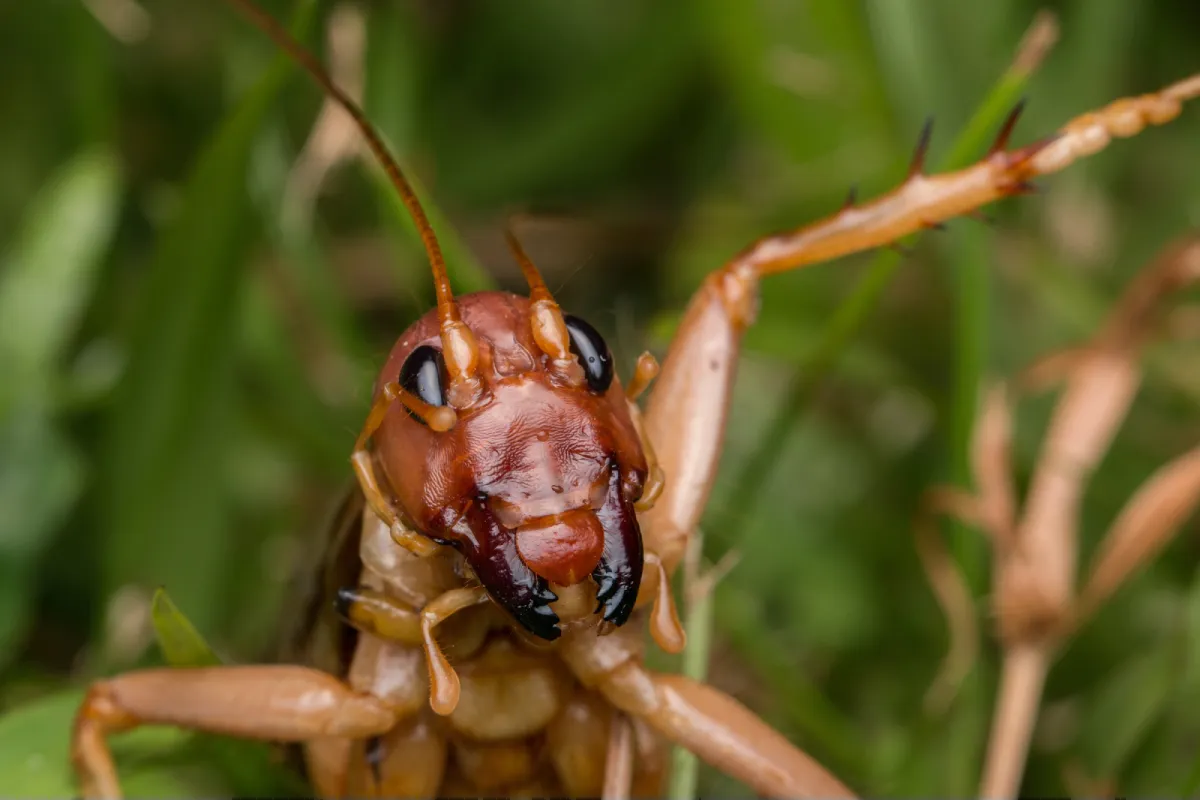
A Jerusalem cricket is a large, nocturnal insect found primarily in the western United States and parts of Mexico. Known for their large, rounded heads and striped abdomens, Jerusalem crickets can grow up to 2 inches in length. While they are not typically harmful to humans, their presence can be unsettling and may damage plants by feeding on roots and tubers. Although sometimes confused with the Jerusalem cockroach, they are a different species. This guide explains how to get rid of Jerusalem crickets and the best practices for cricket control to keep your home pest-free.
5 Key Elements of Jerusalem Cricket Control
- Removing Attractants
- Keep your yard tidy by eliminating piles of wood, rocks, and other debris where Jerusalem crickets may seek shelter.
- Regularly turn compost heaps to discourage crickets from nesting and feeding there.
- Ensure your garden is free from decaying organic matter that may attract these pests.
- Sealing Entry Points
- Inspect your home for cracks, gaps, or holes, especially around the foundation, doors, and windows. Sealing these areas prevents Jerusalem crickets from entering your living spaces.
- Use caulk or weather stripping to seal openings and reduce the chances of crickets entering your home.
- Encouraging Natural Predators
- Birds and small mammals prey on Jerusalem crickets. Encourage these natural predators by creating a welcoming environment for them. Install bird feeders and nesting boxes to attract birds that will help control cricket populations.
- Using Diatomaceous Earth
- Diatomaceous earth is a natural powder that can be sprinkled around garden beds, entry points, and areas where crickets are active. It dehydrates and kills insects without harmful chemicals, making it safe for pets and plants.
- Setting Traps
- Simple traps, such as sticky boards or petroleum jelly on cardboard, can be placed in areas with high cricket activity. These traps will capture Jerusalem crickets and reduce their population.
Steps to Prevent Jerusalem Cricket Infestations
- Regular Yard Maintenance
- Keep grass trimmed and remove weeds to minimize hiding spots.
- Trim back vegetation that touches the exterior of your home, as crickets often climb plants to enter buildings.
- Proper Irrigation
- Avoid overwatering your garden, as moist soil attracts Jerusalem crickets. Ensure proper drainage in your lawn and garden to create an environment that is less inviting to these pests.
- Monitor Plant Health
- Check plants regularly for signs of damage, such as wilting or yellowing, which could indicate that Jerusalem crickets are feeding on their roots. Early detection allows for quicker treatment.
Understanding Jerusalem Cricket Lifespan
The Jerusalem cricket lifespan typically ranges from 1 to 2 years. Their life cycle includes egg, nymph, and adult stages, and the lifespan can vary depending on environmental conditions, including moisture levels and food availability. Jerusalem crickets generally reach adulthood in the late summer or fall, when they become more active and may invade homes in search of shelter.
When Jerusalem Crickets Enter the House
If you find Jerusalem cricket in house, it’s likely because they are seeking shelter or food. These insects are nocturnal and usually wander indoors during the night. They tend to enter through gaps in doors, windows, or walls, especially during colder months when they seek warmth and moisture.
To prevent them from entering your home, consider sealing all possible entry points and keeping your surroundings clean of organic matter that could attract them.
Why Choose Professional Pest Control in Boonville
If Jerusalem crickets are becoming a persistent issue, it may be time to contact pest control Boonville professionals. While DIY methods can provide temporary relief, professional services offer long-term solutions, ensuring your home remains pest-free. Pest control experts can inspect your property, identify the root cause of the infestation, and implement targeted treatments to eliminate crickets and prevent future invasions.
Professional cricket control ensures that your home is protected from not just Jerusalem crickets, but also other pests that could cause damage or disrupt your home.
Conclusion
Jerusalem crickets, though not harmful to humans, can be a nuisance when they invade your home or garden. By understanding their behavior and diet, you can effectively manage and prevent these pests. Whether through natural remedies or professional pest control Boonville MO services, it’s important to address Jerusalem cricket infestations promptly to protect your property.
If you’re dealing with Jerusalem crickets or any other pest issue, contact Nature Shield Pest Solutions for expert Boonville pest control services today. Our team can help with targeted cricket control and ensure your home and garden remain safe and pest-free.
About Nature Shield Pest Solutions
At Nature Shield Pest Solutions, we specialize in providing safe, eco-friendly pest control tailored to your needs. Whether you’re facing a Jerusalem cricket infestation or need general pest management, our experienced pest control team is here to help.
Contact us today to schedule an inspection and protect your home from unwanted pests!
FAQ: People Also Ask
Q: What do Jerusalem crickets eat?
A: Jerusalem crickets feed on plant roots, tubers, and decaying organic matter. They can also consume other insects if available.
Q: What attracts Jerusalem crickets to your house?
A: They are attracted to moisture, shelter, and food sources such as plants, organic matter, and even pet food. Sealing entry points and reducing moisture levels around your home can help keep them away.
Q: How long do Jerusalem crickets live?
A: Jerusalem crickets typically live for 1 to 2 years, depending on environmental factors such as moisture and food availability.
Q: Do Jerusalem crickets bite?
A: Jerusalem crickets can bite if mishandled, but they are not venomous. Their bites are painful but generally not harmful.
Q: When should I contact pest control Boonville for Jerusalem crickets?
A: If you notice persistent Jerusalem crickets in your house or garden despite DIY efforts, it’s time to contact pest control professionals for help.